by Lorato | Oct 15, 2026 | All News, Alumni, SMU Media, Student Media
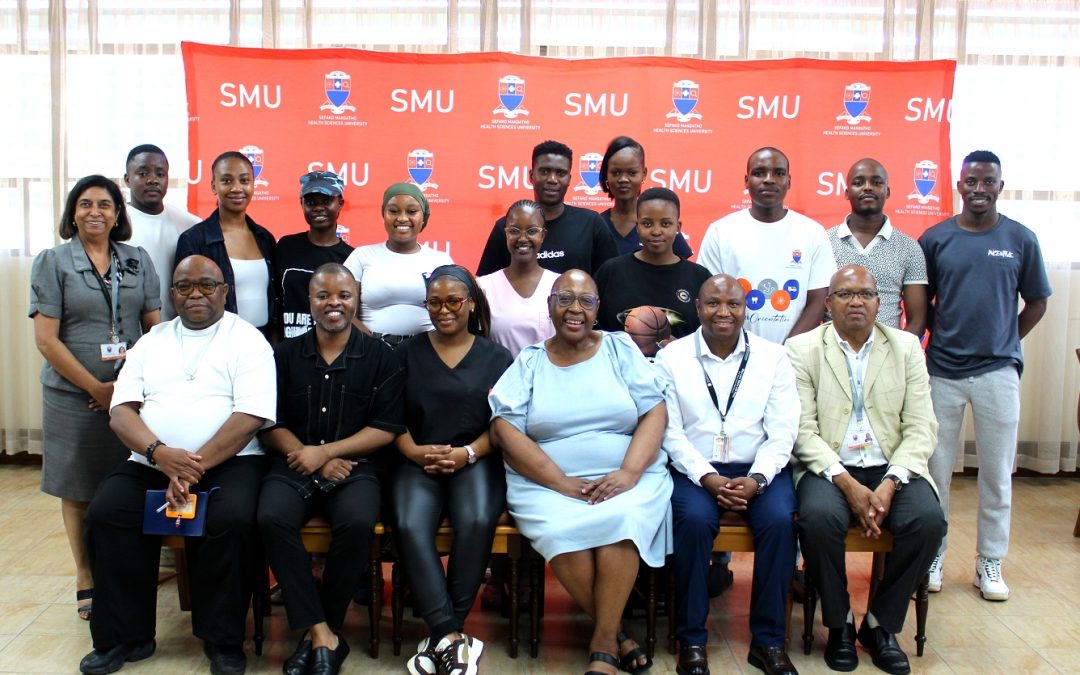
Sefako Makgatho Health Sciences University (SMU) has reaffirmed its commitment to student-centred leadership and constructive engagement following an introductory meeting between its executive management and the newly elected 2027 Student Representative Council (SRC). The meeting laid the groundwork for collaboration, strengthened communication, and identified key priorities affecting the student community.
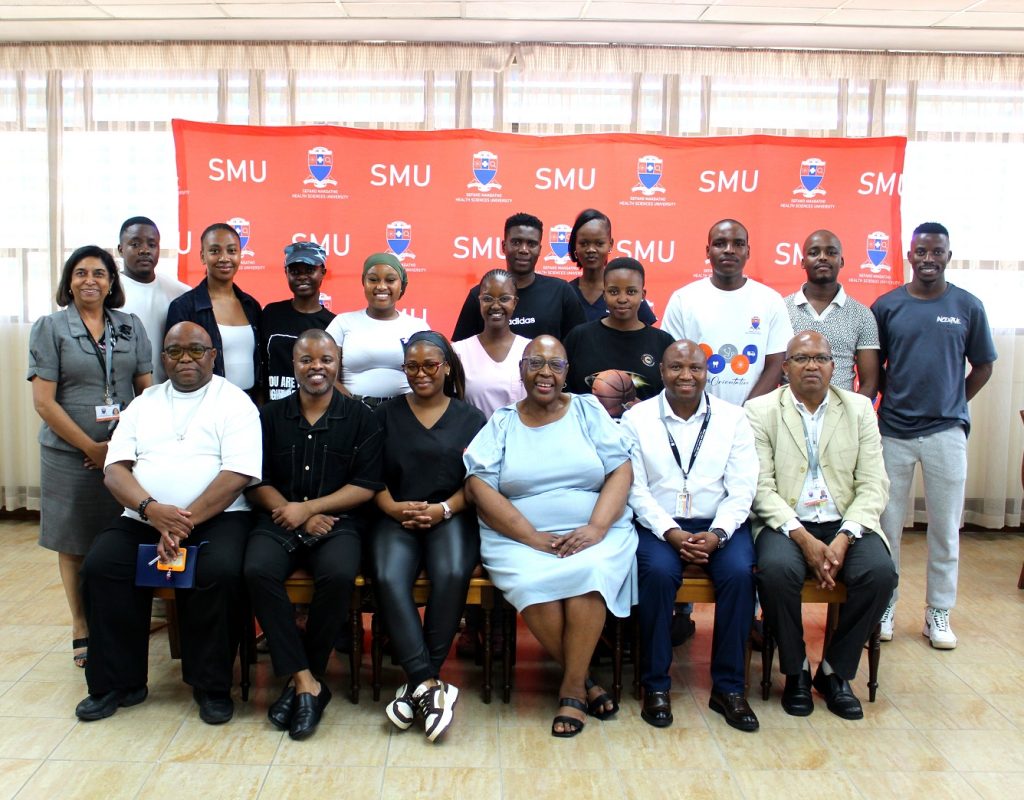 The engagement gave incoming student leaders an opportunity to raise concerns, highlight areas needing attention, and discuss ways to improve the university experience. SRC members welcomed the opportunity to engage directly with management and committed themselves to working collaboratively to ensure that student needs remain central to institutional dialogue.
Acting Vice-Chancellor Prof Dini Mawela welcomed the incoming representatives and assured them of management’s willingness to work with the SRC to address student matters. She encouraged the student leaders to view their tenure as an opportunity for personal development, leadership growth and empowerment, urging them to approach their responsibilities with a commitment to learning, collaboration and constructive engagement.
Acting Deputy Vice-Chancellor: Research, Innovation and Internationalisation Prof Douglas Maleka echoed this message, encouraging the SRC members to use their tenure to strengthen their leadership capabilities and gain experience that would benefit them beyond university. Drawing on his experience as a former SRC member, he highlighted the value of student representation in developing leadership skills and preparing young people for future responsibilities.
The executive management delegation also included Deputy Vice-Chancellor: Academic and Community Engagement Dr Alufheli Edgar Nesamvuni; Acting Executive Director: Human Capital and Transformation Prof Mala Singh; Acting Registrar Sello Simon Mokoena; Acting Chief Financial Officer Mahlatholle Masha; and Acting Executive Director of Student Affairs Tulani Nkuntse.
To prepare the incoming council for its responsibilities, Deputy Director of Student Affairs Themba Khumalo confirmed that the university would arrange a formal induction programme. The programme will familiarise SRC members with their respective roles, university policies, procedures and governance structures, equipping them to represent their constituencies effectively and engage management on matters affecting students.
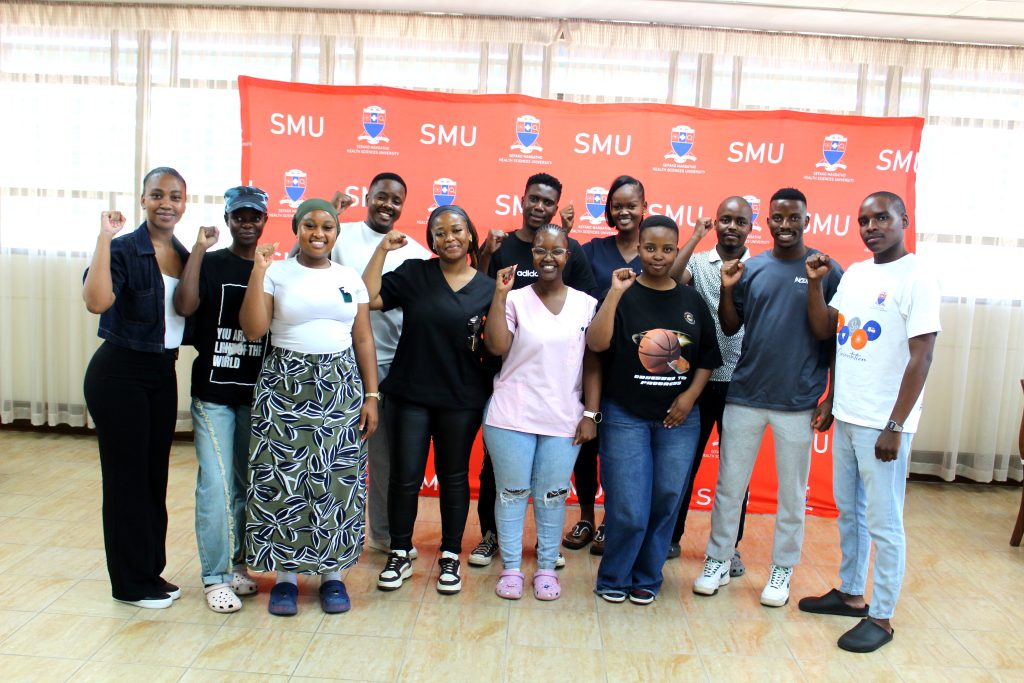 Speaking on behalf of the incoming student leadership, Deputy President General Tiyani Chantell Mangena described the meeting as fruitful. She thanked them for the opportunity to interact directly with university leadership and emphasised the importance of maintaining constructive working relationships to ensure student concerns are heard and addressed.
Led by President General Onismus Mamokwa Maelane, the 2027 SRC comprises representatives across leadership, student affairs and academic portfolios. The executive committee includes Mangena, Secretary General Ntsakelo Manganyi, Deputy Secretary General Itumeleng Techron Marule and Treasurer General Sedume Palesa Makgoale.
Other portfolio representatives are Kgwadi Manamela (Culture, Religion and Gender), Letlhogonolo Ndukule (Residence and Safety), Maite Prudence Seabi (Sport and Recreation), and Philasande Radebe (Projects and Campaigns). Academic representation includes Nkosinathi Michael Nkabinde (School of Medicine), Ace Junior Netshipale (School of Dentistry), Linda Tshepo Alfred Maputla (School of Health Care Sciences), Confidence Malebese Chego (School of Sciences and Technology) and Mihlali Ngcebetsha (School of Pharmacy). Zinhle Felicia Mahlangu will serve as Postgraduate Officer.
The engagement underscored the importance of open communication, accountability and cooperation between university management and student leadership. Through meaningful consultation and informed representation, the SRC will play an important role in conveying student concerns and contributing to discussions on academic life, campus facilities and student welfare.
As the incoming council prepares to serve the university community in 2027, SMU remains committed to fostering an inclusive, student-centred environment that supports academic excellence, leadership development and institutional progress. The partnership between management and the SRC will be important in advancing the university’s mission of excellence in health sciences education, innovative research and service to society.
By Dimakatso Modise
by Lorato | Oct 15, 2026 | All News, Alumni, SMU Media, Student Media
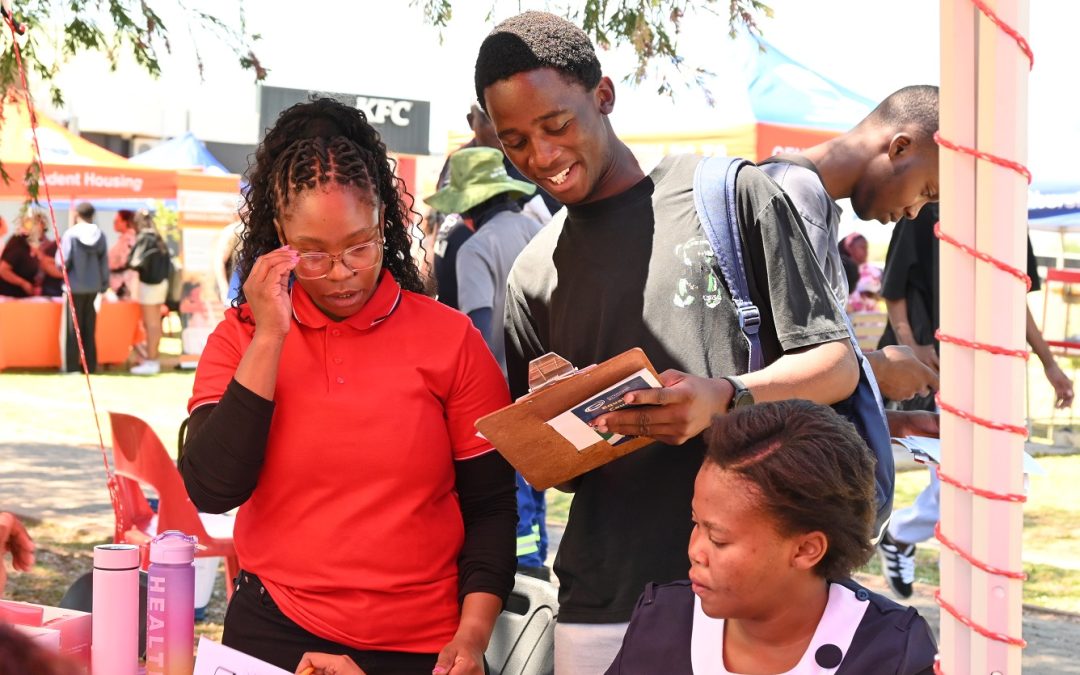
Sefako Makgatho Health Sciences University (SMU) has strengthened its efforts to prevent and respond to gender-based violence (GBV) by bringing together government departments, civil society organisations and service providers to improve awareness, access to support services and collective action against violence and abuse.
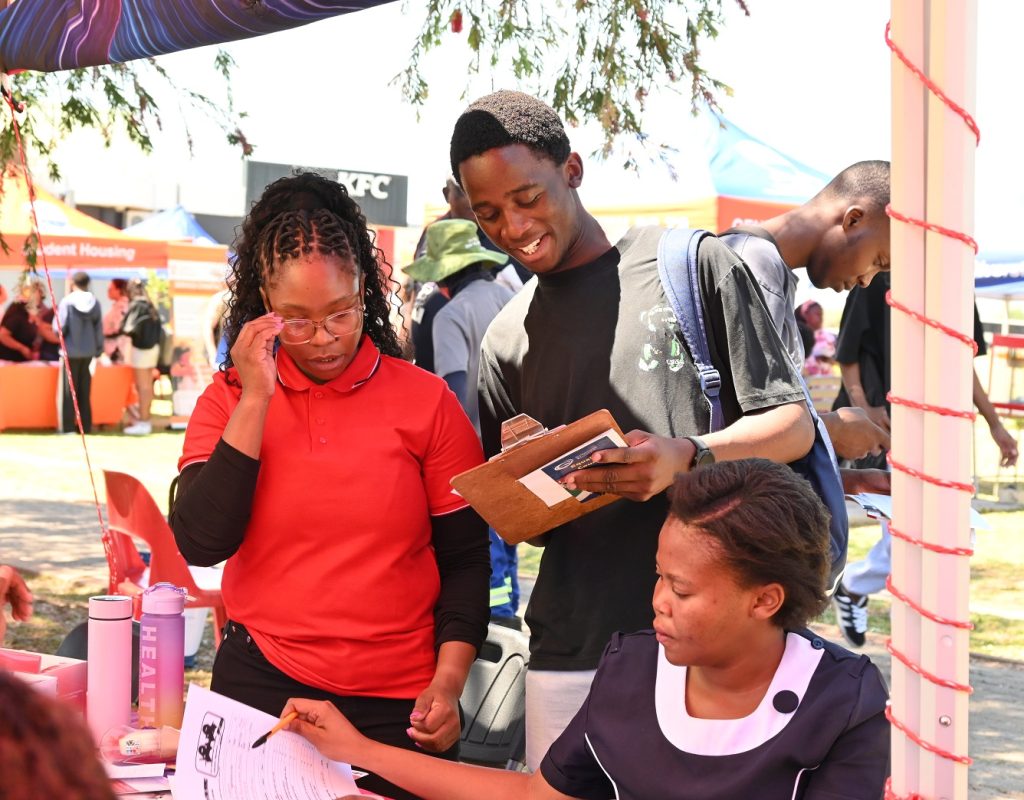 The university recently hosted its Annual GBV Awareness and Support Campaign, allowing students and employees to engage directly with organisations offering counselling, legal assistance, reporting mechanisms, and other forms of support. The campaign also highlighted the importance of addressing the underlying social attitudes and behaviours that perpetuate GBV.
Participating organisations included the Commission for Gender Equality, the National Prosecuting Authority, the Department of Social Development, the Department of Justice and Constitutional Development, Katekani Community Projects, and Akakosha Men’s Forum, among other stakeholders. Their participation reinforced the importance of collaboration in ensuring that individuals know where to seek assistance and how to access available services.
SMU GBV Office Manager Busisiwe Mbanjwa said the campaign aimed to extend support beyond the University by strengthening partnerships with organisations serving surrounding communities. While the University’s internal services primarily support students and employees, she noted that GBV affects families and communities beyond campus boundaries.
“The University does not operate in isolation. While our internal services are primarily for students and employees, we recognise that GBV affects families and communities beyond our campus,” Mbanjwa said. She added that partnerships enable the University to connect individuals with appropriate services, including those who may not qualify for assistance through its internal structures.
Mbanjwa emphasised that sustainable progress requires addressing the causes of violence rather than responding only after incidents occur. “If we do not address the root causes of GBV, we will continue responding to incidents without achieving lasting change. We need to understand the factors that contribute to violence, challenge harmful attitudes and behaviours, promote accountability and ensure that those affected can access the necessary support,” she said.
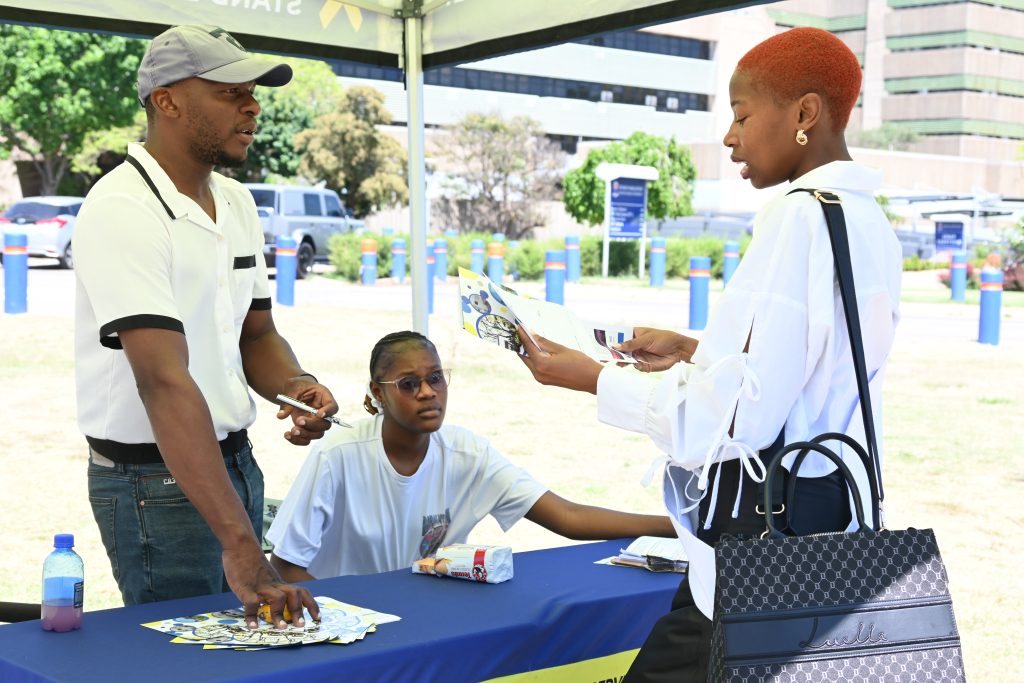 Medicine student Lungile Khanyile highlighted the importance of sustained awareness among young people. She stressed that education alone does not make individuals or communities immune to GBV, and that students have a responsibility to challenge harmful behaviour, share information about available services and promote safer communities.
Representing the National Department of Social Development, GBV Command Centre Manager Carol Tladi outlined the national telephone-based counselling and referral service, which connects people experiencing abuse with appropriate support organisations in their communities.
“If anyone is experiencing GBV or any abuse of your human rights, you can call the command centre. We will either give you counselling over the phone, and then we can also link you with other services that can help you within your community where you are,” Tladi said. She encouraged those affected to seek assistance, emphasising: “People don’t have to struggle. People don’t have to suffer in silence.”
The campaign reinforced the need for sustained cooperation between higher education institutions, government and civil society to strengthen prevention, improve referrals and promote accountability. Through initiatives such as this, SMU advances its commitment to respect, integrity and student-centred support while contributing to safer campus and community environments.
By Gabisile Sibeko
by Lorato | Oct 15, 2026 | All News, Alumni, SMU Media, Student Media
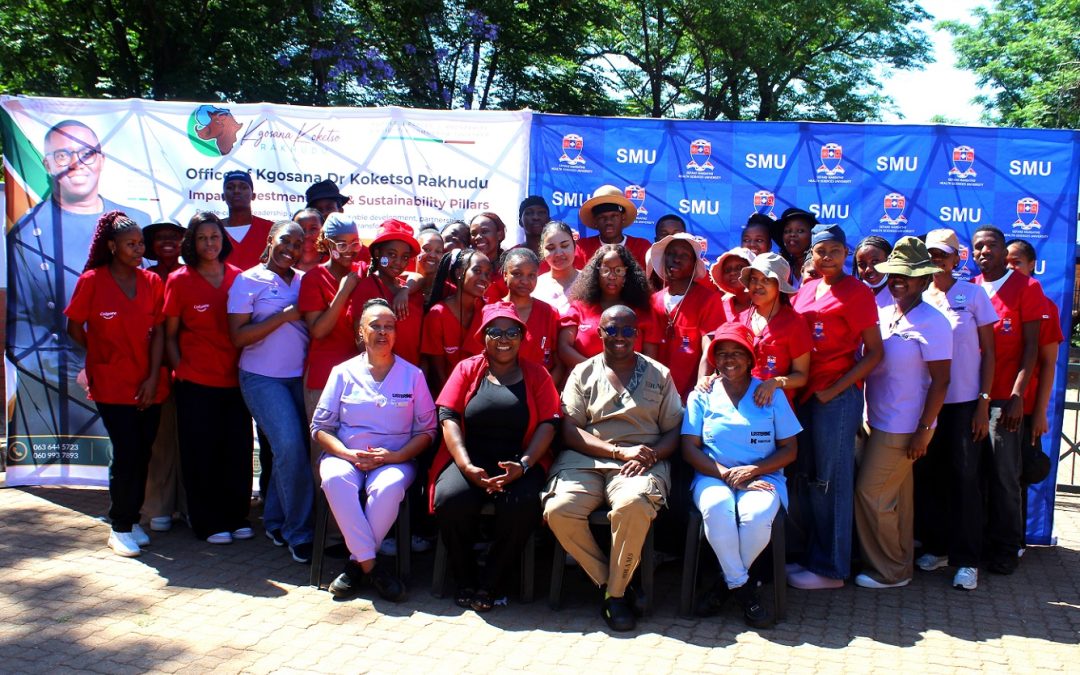
Sefako Makgatho Health Sciences University (SMU), through its School of Dentistry, brought essential dental services and oral health education to Tsitsing Village in Rustenburg during a two-day community outreach initiative on 8 and 9 October 2026. In partnership with the Office of Kgosana Dr Koketso Rakhudu Goodwill, the initiative expanded access to oral healthcare and gave students practical, community-based learning experiences.
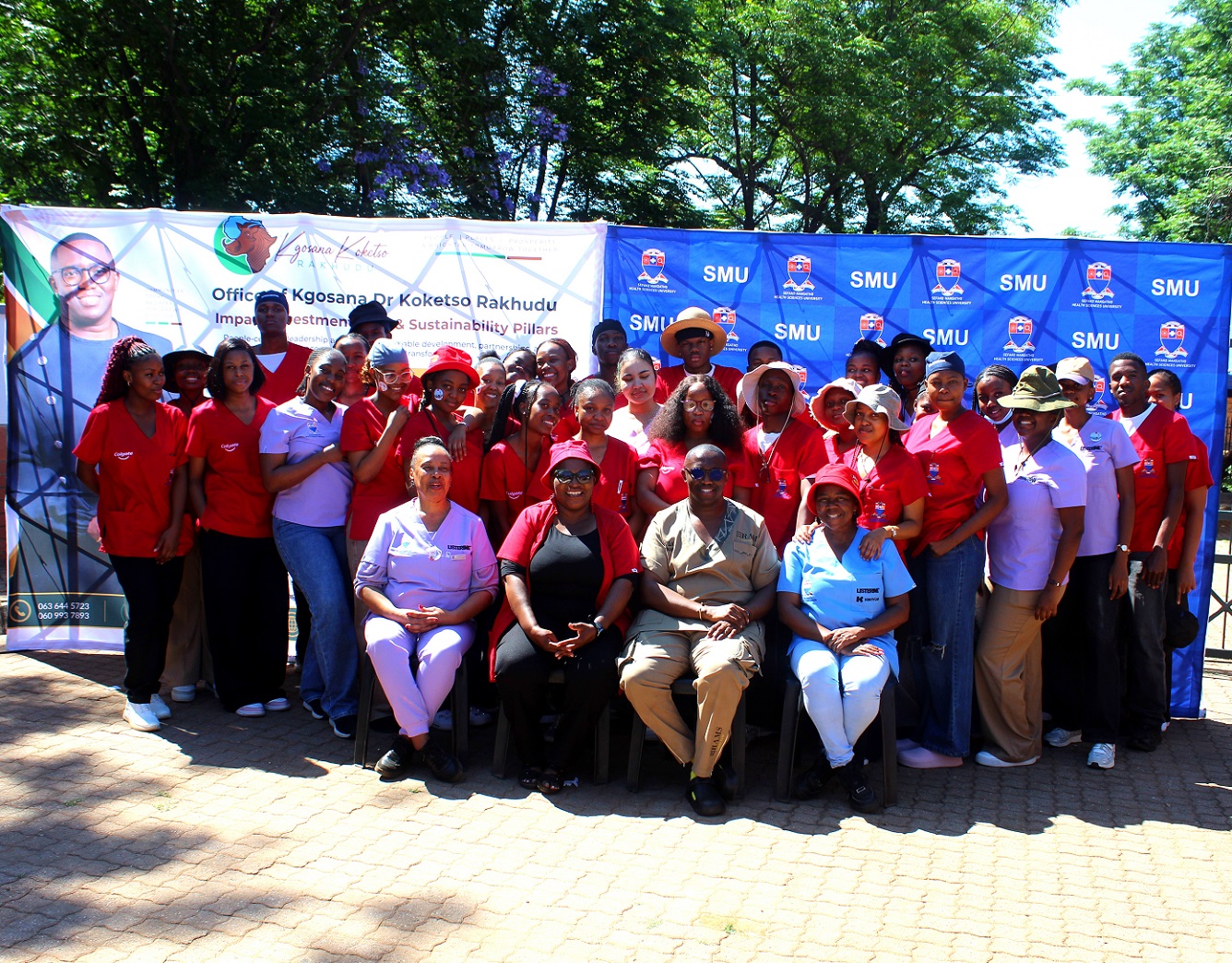 Held at Kgotla ya Rakhudu, the office of Kgosana, the outreach focused on preventive care, oral health awareness and collaboration between the University and traditional leadership. Residents received oral screenings, dental restorations, extractions, and fluoride treatments, along with guidance on maintaining good oral hygiene, preventing dental problems, and seeking professional care when needed.
Kgosana Dr Koketso Rakhudu Goodwill, the traditional leader of Tsitsing in the Royal Bafokeng Nation, said the initiative aligned with his commitment to bringing essential services closer to residents. The partnership gave the community a platform to access dental services in a familiar setting and engage directly with healthcare professionals and students.
Dr Phenyo Matebesi, a practising dentist, SMU alumnus and manager of Matebesi Dental Services in Rustenburg, emphasised the importance of connecting university training with community needs. He said health sciences institutions had a responsibility to extend their contribution beyond the university environment and prepare graduates to serve society effectively.
“Our responsibility as a health sciences institution extends beyond the boundaries of the University. Through initiatives such as this, we have an opportunity to work alongside communities, promote health and provide our students with meaningful learning experiences that develop their professional competence, social awareness and sense of responsibility,” said Matebesi.
The outreach also enabled students to apply their academic knowledge and clinical skills in a community setting. By interacting directly with residents, they gained insight into local oral health needs and the barriers that can affect access to dental services. The experience reinforced the importance of patient-centred care, early intervention and preventive approaches in improving oral health outcomes.
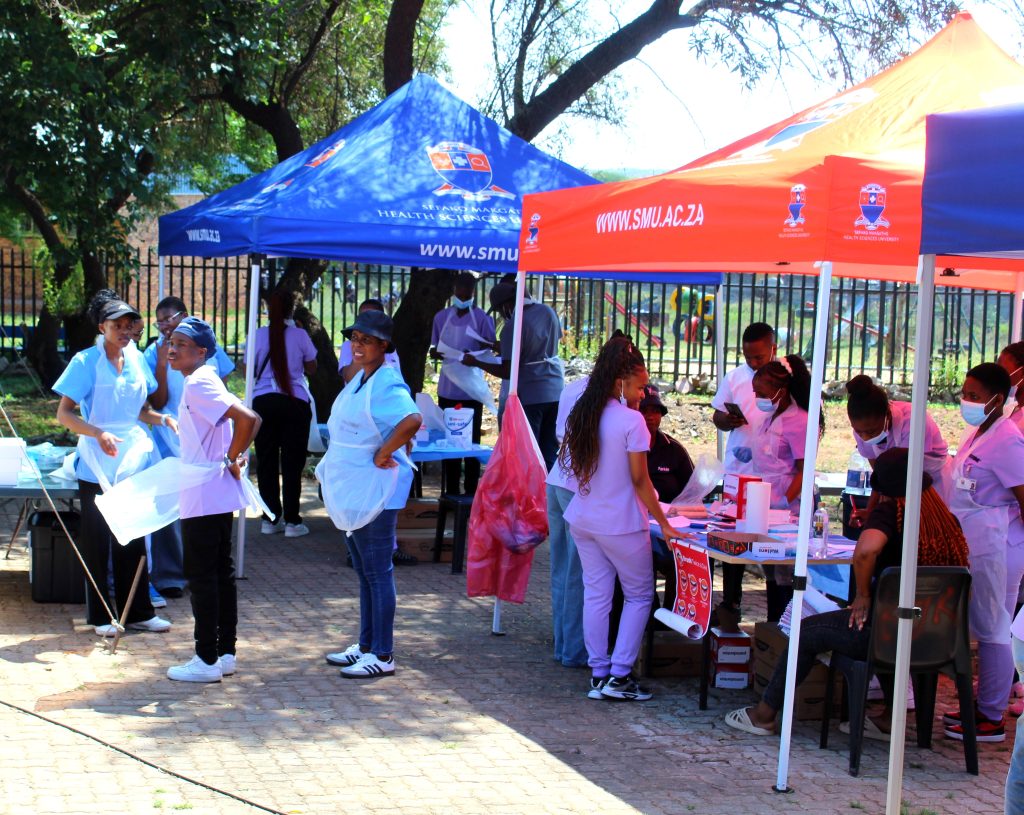 Dr Grace Phalwane, a lecturer and dentist in the School of Dentistry’s Department of Community Dentistry, highlighted the educational value of community engagement. She said outreach initiatives allow students to put their training into practice, understand the needs of the communities they serve and recognise their responsibilities as future healthcare professionals. Such experiences strengthen the link between theoretical learning, clinical practice and social accountability.
The collaboration demonstrated how partnerships between academic institutions and traditional leadership can help address community health priorities. By hosting the programme at Kgotla ya Rakhudu, the partners created an accessible space for dental treatment, health education and engagement with residents.
For SMU, the initiative reflects its commitment to excellence in health sciences education and to developing competent, compassionate, and socially accountable healthcare professionals. Through community-based learning and partnerships that respond to local needs, the University continues to connect teaching and learning with service delivery, contributing to improved oral health awareness and healthier communities.
By Dimakatso Modise
by Lorato | Oct 15, 2026 | All News, Alumni, SMU Media, Student Media
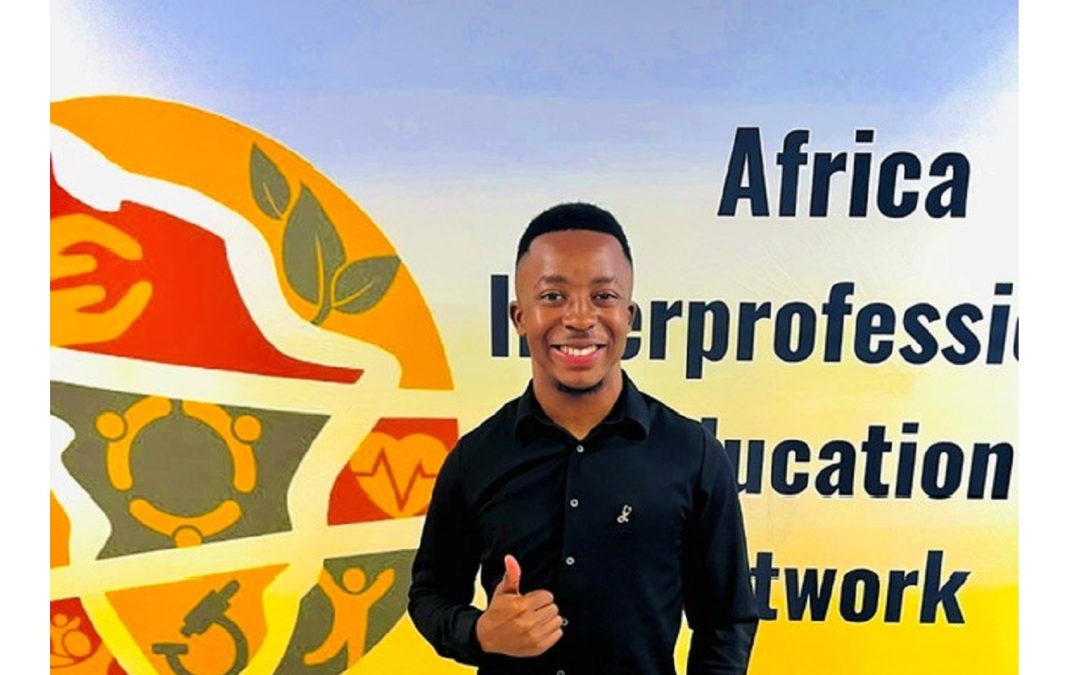
Sefako Makgatho Health Sciences University (SMU) medical student Thabiso Trinity Seerane has represented the university at the 5th African Interprofessional Education Network (AfrIPEN) Conference 2026, contributing to international discussions on interprofessional education and collaborative healthcare through research presentations, student leadership and workshop facilitation.
 Held recently at the University of the Western Cape’s Faculty of Community and Health Sciences in Bellville, the conference brought together students, academics, researchers and health professions educators under the theme, “African Wisdom, Global Relevance: Reclaiming Interprofessional Futures”.
A third-year Bachelor of Medicine and Bachelor of Surgery (MBChB) student, Seerane attended as Deputy Chairperson of SMU Faces of Interprofessional Education and Collaborative Practice (IPECP) and Project Director of AfrIPENsils, the student wing of the AfrIPEN.
One highlight was his first conference presentation, delivered alongside fellow student Phološo Nyalungu. Titled “Beyond Borders and Professions: An African-Led Global Interprofessional Education for Collaborative Practice”, the presentation reflected on the IPE Global Event hosted by AfrIPENsils in 2025 and explored opportunities for healthcare students to advance meaningful interprofessional learning across professional, national and educational boundaries.
As the only undergraduate student presenter at the conference, Seerane shared his work with experienced academics, researchers and health professions educators, demonstrating the value of including student perspectives in shaping the future of healthcare education. “Although I still have much to learn, my experiences and ideas also have a place in these conversations,” said Seerane, reflecting on the significance of presenting at an international academic forum.
His contribution extended beyond research presentations to the student-led workshop, “Bridging Borders Through Hybrid IPE”, which brought together participants through online and in-person collaboration. As a facilitator, Seerane guided discussions exploring how understanding different healthcare professions, cultures and national contexts could strengthen teamwork and improve patient care.
The discussions reinforced the importance of listening, mutual respect and recognising the distinct contributions of different healthcare professionals. They also highlighted that effective collaboration requires more than an understanding of professional roles; it demands an appreciation of the experiences and perspectives that inform clinical practice.
For Seerane, the conference was also a significant personal milestone. Coming from a rural background in Limpopo, he described representing SMU in an international academic space as a reminder of the opportunities created when students are encouraged to participate, lead and share their ideas. Engagements with established leaders in IPECP further broadened his understanding of the evolving field and the importance of meaningful student involvement in healthcare education. “I walked into that conference as an undergraduate medical student. I left reminded that I may still have a lot to learn, but I also have something to contribute,” he said.
The experience strengthened his conviction that leadership is rooted in service and collaboration, principles he intends to carry into his future medical practice. He emphasised that healthcare quality depends not only on individual expertise but also on effective communication and professionals’ ability to work together to improve patient outcomes.
Seerane expressed gratitude to SMU, its IPECP Unit, the AfrIPEN Executive Committee, the AfrIPENsils team and the conference organisers for supporting student participation in interprofessional education.
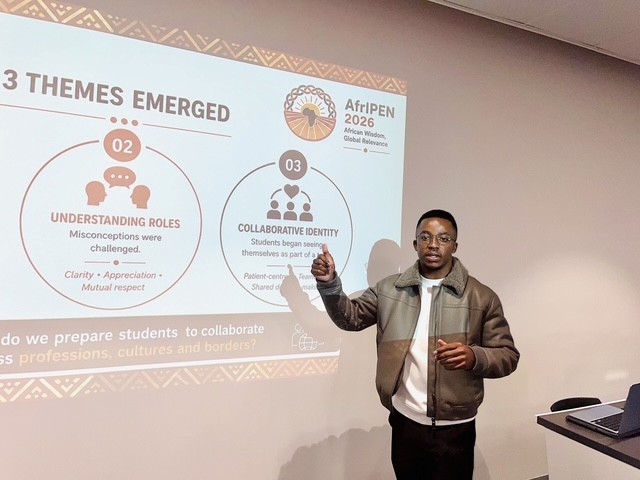 Beyond his involvement in interprofessional education, Seerane contributes to medical education, research, academic development and student leadership through a range of roles. He serves as Surgical Anatomy Officer of the SMU Student Surgical Society (SMUSSS), Events Officer of The Diagnostic Society (TDS), and SMU Research and Writing Lead for Collaboration for Research ADvancement and National Evidence-based medicine (CRANE). He also tutors at the Centre for University Teaching and Learning (CUTL), co-founded and serves as Vice-President of the Interprofessional Pharmaceutical Alliance (IPA), and works as an Academic Consultant with BridgeOne by Gradesmatch. Additionally, as Secretary-General of Residence 5B, he advances student representation and academic development, reflecting a commitment to leadership and service that extends beyond healthcare education.
His contribution reflects SMU’s commitment to excellence in health sciences education, innovative learning and student-centred development. By creating opportunities for students to engage in research, leadership and international academic collaboration, the university continues to support emerging healthcare professionals equipped to contribute to a more collaborative, responsive and patient-centred healthcare system.
By Tumelo Moila
by Lorato | Oct 15, 2026 | All News, Alumni, SMU Media, Student Media
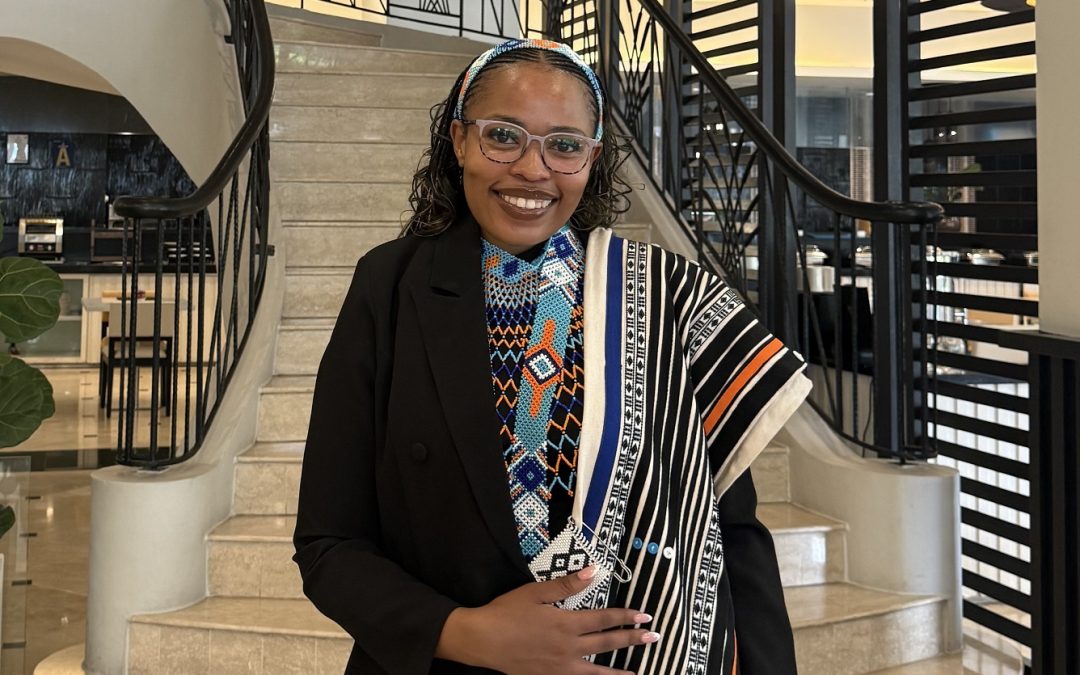
Sefako Makgatho Health Sciences University (SMU) medical student Alizwa Boco has taken the University’s commitment to student success onto the international stage, presenting research on the transition from high school to university at an international conference in Kuala Lumpur, Malaysia. The presentation highlighted the need for universities to look beyond academic performance and provide holistic support that helps students adjust, belong and succeed.
 Boco, a 22-year-old fourth-year Bachelor of Medicine and Bachelor of Surgery (MBChB) student from Sakhela in Mthatha, Eastern Cape, represented SMU at the International Conference on Student Engagement and Success in Higher Education, hosted by World Academics. The conference brought together students, academics and higher education leaders to discuss emerging challenges, including artificial intelligence in education and research, climate change and equitable access to quality education.
Boco presented an abstract titled “From the Gate to Graduation: A Biopsychosocial Approach for Conscious Transition from High School into University Life”. The research aligns with Sustainable Development Goal 4, which promotes inclusive and equitable quality education and lifelong learning opportunities. The abstract was subsequently published in the World Academics Journal on Sustainability, Ethical Innovation, Education and Governance for Societal Progress, marking a significant milestone in Boco’s academic journey.
Drawing on personal experience, the research examines how the transition into university involves more than adapting to academic expectations. It also requires emotional, psychological and social adjustment, supported by an environment that recognises students’ diverse needs. Through a biopsychosocial approach, Boco advocates for a more comprehensive understanding of the first-year experience, considering the relationship between academic demands, personal well-being, social connections and institutional support.
The research also reflects the work of SMU’s Department of Student Affairs through its First-Year Experience (FYE) Programme, which supports First-Time Entering Students (FTENs) as they navigate the demands of higher education. Boco’s approach calls for orientation programmes to go beyond introducing students to university facilities, regulations, and academic requirements, instead creating a welcoming environment that fosters belonging, resilience, and personal development.
The study further emphasises the importance of collaboration among university stakeholders in supporting students throughout their academic journeys. By recognising the challenges students face during their first year, higher education institutions can strengthen engagement, improve adjustment and create conditions that enable more students to progress towards graduation.
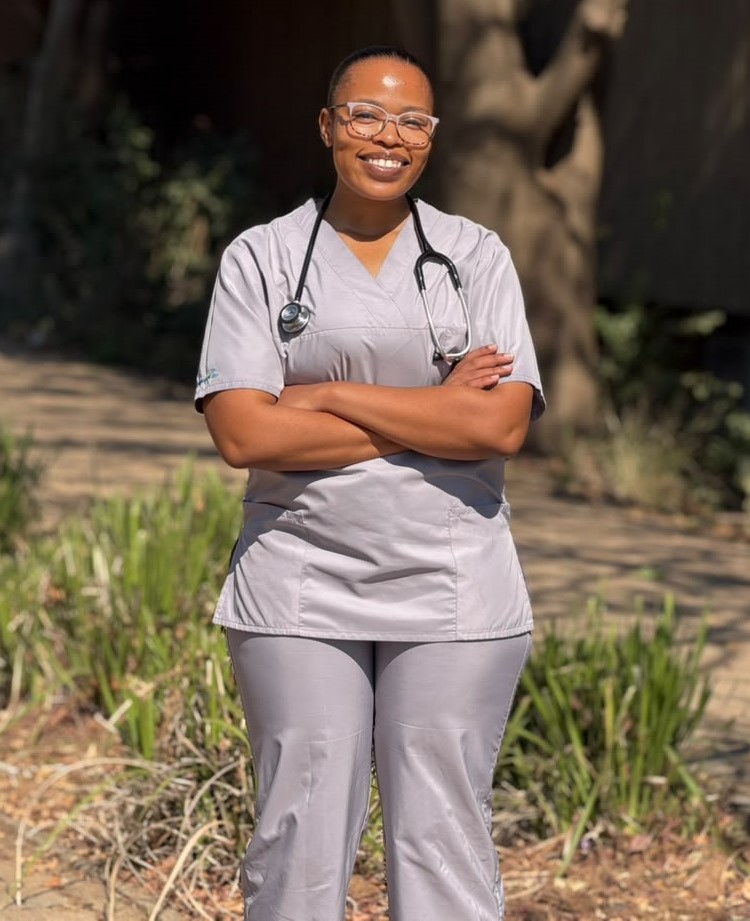 Reflecting on the achievement, Boco expressed gratitude to SMU’s Department of Student Affairs, the Internationalisation function and the Office of the Vice-Chancellor, led by Acting Vice-Chancellor Professor Dini Mawela, for supporting student participation in addressing challenges affecting the university community. This support has enabled students to contribute to institutional discussions, develop solutions and participate in peer capacity-building initiatives, helping connect research with practical student support.
Boco’s participation in the Malaysian conference demonstrates the value of empowering students to contribute to international academic discourse and shape conversations about the future of higher education. The research also reinforces the importance of connecting student experience with institutional practice to develop more inclusive and responsive learning environments.
For SMU, the achievement reflects its commitment to excellence in education, student-centred development and research that responds to real-world challenges. Boco hopes the work will encourage universities to adopt more compassionate, collaborative and inclusive approaches to student support, ensuring that success is built on a meaningful welcome and sustained throughout the academic journey.
From the gate to graduation, the goal is clear: every student deserves the support and opportunity to succeed.
By Dimakatso Modise
by Lorato | Oct 15, 2026 | All News, Alumni, SMU Media, Student Media
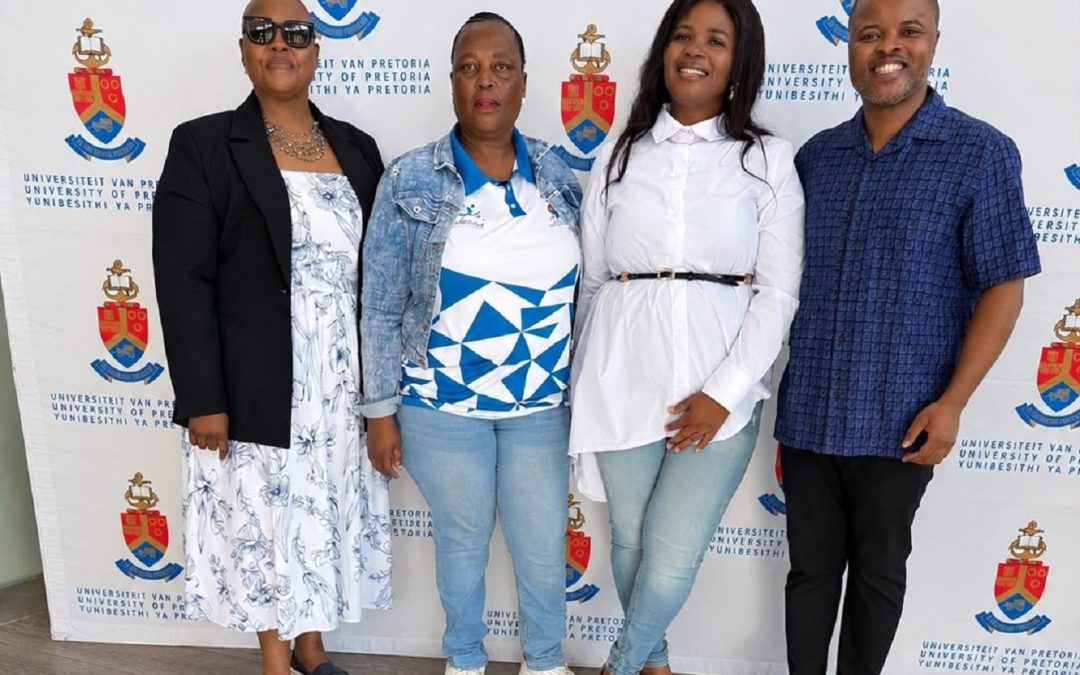
Sefako Makgatho Health Sciences University (SMU) is strengthening its commitment to a cleaner, safer, and healthier campus environment by continuously improving cleaning and hygiene services, with representatives from its cleaning management team recently attending the University of Pretoria’s Innovation and Technology Event.
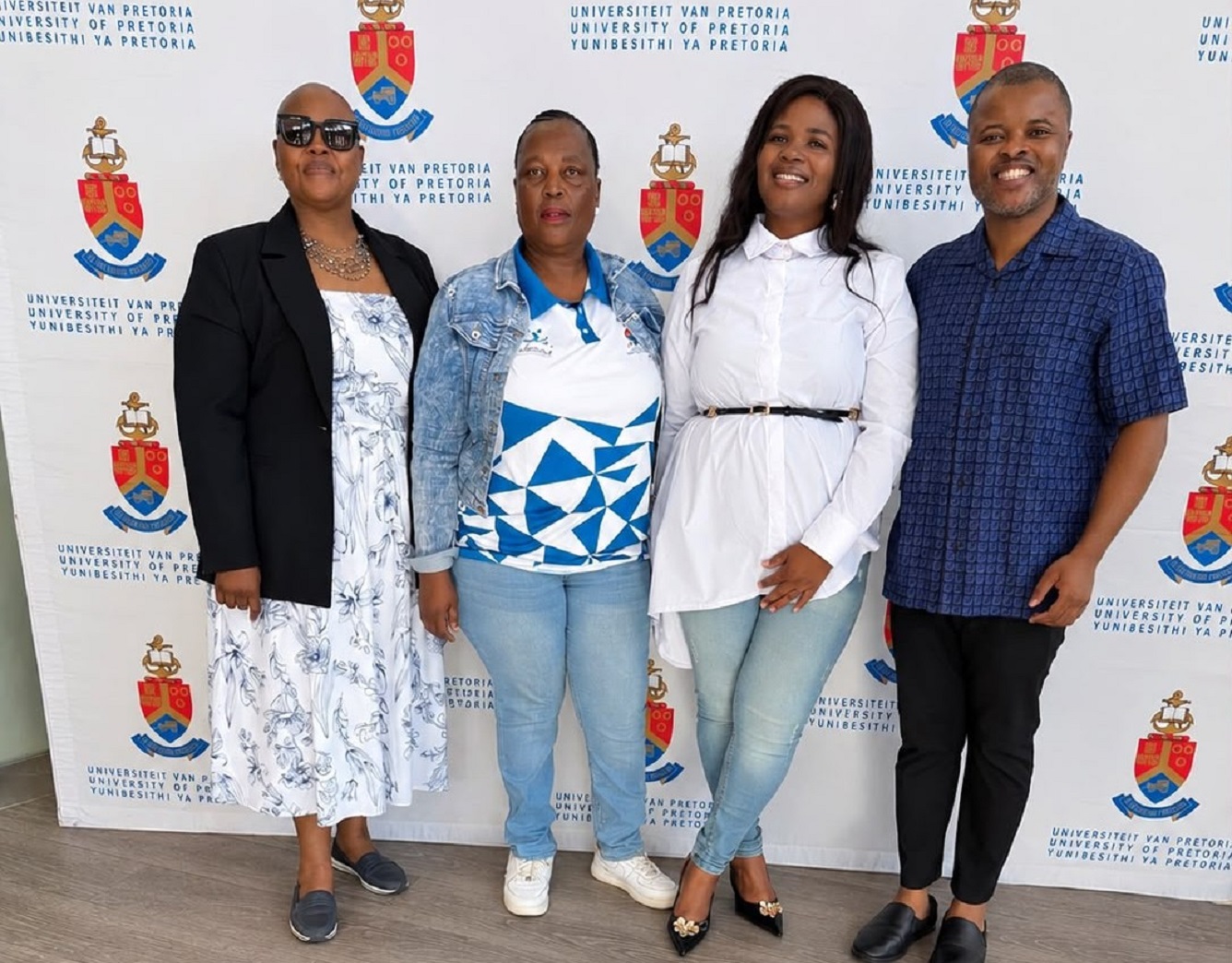 The event, hosted by the University of Pretoria’s Facilities Management Department in collaboration with its Industrial Hygiene Subdivision, provided an opportunity to engage with emerging technologies, innovative practices and approaches to modern facilities management. The participation forms part of the team’s broader efforts to enhance service delivery at SMU, where a hygienic environment is essential to teaching, learning, research and professional training.
Since taking over the university’s cleaning services in March 2026, the team has focused on understanding SMU’s operational requirements and identifying opportunities to improve cleanliness and hygiene standards across its facilities. “For a health sciences university, cleanliness goes beyond appearance. It is fundamental to creating an environment that reflects the values of health, safety, professionalism and care that underpin healthcare education,” said Tulani Nkuntse, Acting Executive Director: Student Affairs.
The team’s participation reflects its recognition that cleaning services are integral to the university’s operational environment. Well-maintained facilities contribute to the daily experiences of students and staff while supporting the institution’s responsibility to provide suitable spaces for academic and professional engagement.
The cleaning industry continues to evolve, with technology, improved equipment, data-driven monitoring systems and more efficient resource management creating opportunities to enhance service delivery. For SMU, understanding these developments is an important step towards identifying practical solutions that can be applied to its campus environment.
However, innovation extends beyond technology. Effective cleaning and hygiene management also depend on skilled personnel, clear processes, accountability, adequate resources and a commitment to continuous improvement. “Improving hygiene standards requires the right combination of people, processes, resources and technology. Our cleaning personnel play a critical role in maintaining the university’s facilities and supporting them with appropriate guidance and management is essential to achieving sustainable standards,” Nkuntse said.
Maintaining these standards also requires collaboration among cleaning personnel, facilities management, university leadership, staff, students and other stakeholders. A shared commitment to cleanliness helps create an environment that respects the dignity and well-being of everyone who uses the campus.
Since assuming responsibility for cleaning services in March, the team has recognised that maintaining high standards requires consistency, communication, monitoring and teamwork. Participation in professional engagements such as the Innovation and Technology Event provides an opportunity to learn from other institutions and explore approaches that could strengthen cleaning operations at SMU.
The initiative aligns with the university’s broader vision of transforming health services through excellence and innovation. As an institution dedicated to health sciences education, professional training and innovative research, SMU has a responsibility to ensure that its campus environment supports these objectives.
The cleaning management team remains committed to identifying relevant innovations and applying lessons that can improve hygiene services for the university community.
Ultimately, a clean campus is more than a reflection of well-maintained facilities; it demonstrates care, responsibility and respect for the people who study, work and conduct research there. Through continuous improvement and collaboration, SMU aims to strengthen its campus environment and reinforce the importance of hygiene in advancing health sciences education.
By Tumelo Moila