by Lorato | Nov 25, 2026 | Accolades and Achievements, All News, Alumni, SMU Media, Student Media
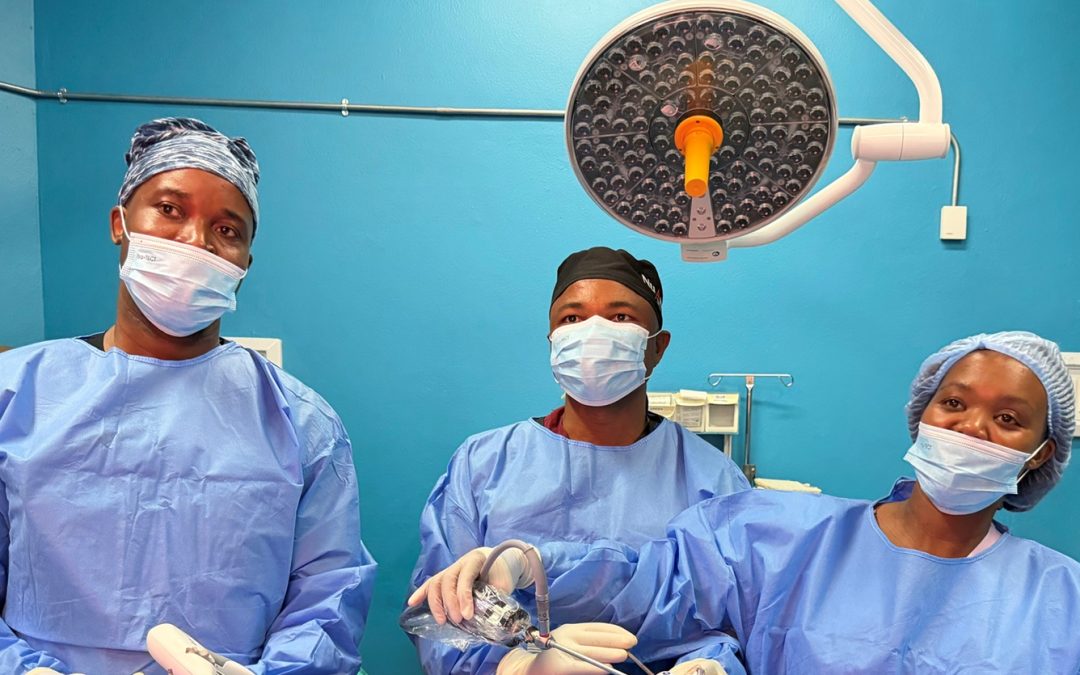
Sefako Makgatho Health Sciences University (SMU), in collaboration with Dr George Mukhari Academic Hospital (DGMAH), has reached a major milestone in paediatric surgery and paediatric urology after a multidisciplinary team successfully performed the institution’s first laparoscopic Anderson-Hynes dismembered pyeloplasty, along with kidney cyst decortication and stone removal, in an eight-year-old boy.
 The pioneering procedure marks an important advancement in minimally invasive surgery at the institution, demonstrating how collaboration between the Departments of Paediatric Surgery and Urology can expand access to specialised treatment and improve patient outcomes.
The young patient had experienced persistent pain on the right side of his abdomen, extending towards his back. After several consultations without improvement, ultrasound and computed tomography (CT) scans revealed a ureteropelvic junction (UPJ) obstruction, a kidney stone and a renal cyst. The obstruction prevented normal urine drainage from the kidney, causing urine to accumulate and placing his long-term kidney function at risk.
Previously, correcting the condition at the institution required conventional open surgery, involving a larger incision and a longer recovery period. The laparoscopic approach offers a less invasive alternative, with the potential to reduce postoperative discomfort, hospital stays and recovery time.
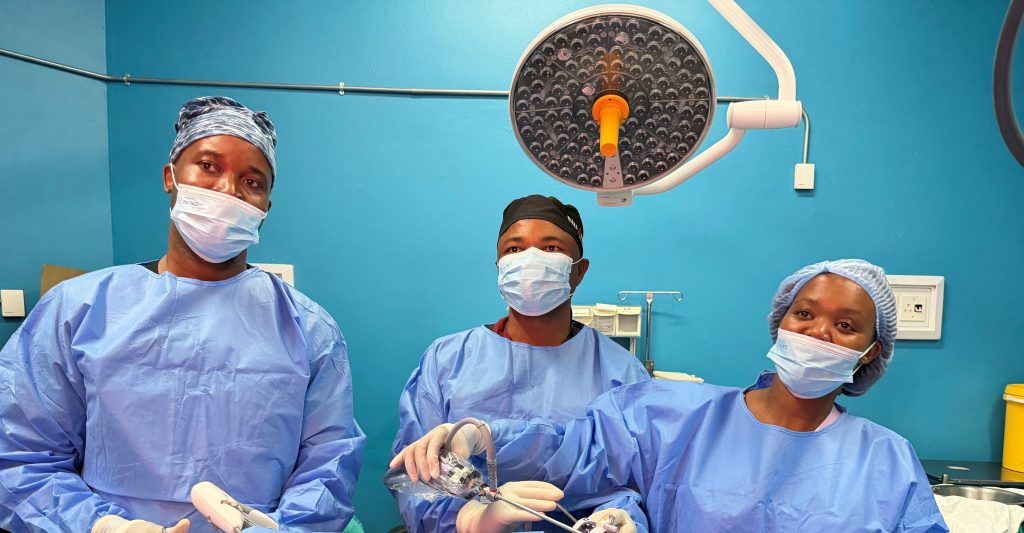
Led by Dr Mashoto Rabutla from the Department of Paediatric Surgery, the surgical team comprised Dr Safela Seeleko and Dr Kgaogelo Molatjane from the Department of Urology, and Dr Melody Mahlatjie from Paediatric Surgery.
“The procedure was performed in two stages, six weeks apart. The first involved laparoscopic pyeloplasty, renal cyst decortication and the insertion of a JJ stent to improve urine drainage. The patient’s kidney function subsequently improved, while scans showed that the cyst had healed and hydronephrosis had reduced. During the second operation, a specialised X-ray machine (C-arm) was used to locate a stone found in the psoas muscle, behind the ureter. The patient recovered well after both procedures, was able to walk and eat the following day, and experienced no wound-healing complications,” said Dr Rabutla.
The Anderson-Hynes procedure involved reconstructing the narrowed passage between the kidney and ureter to restore normal urine drainage. Using a small camera and specialised instruments inserted through incisions smaller than a centimetre, the surgeons removed the obstructed section and reconnected the healthy tissue. They also drained the renal cyst and removed part of its wall, while a specialised imaging device known as a C-arm helped locate the kidney stone before its removal.
UPJ obstruction is one of the common causes of kidney blockage in children. Although laparoscopic reconstruction is technically demanding and requires specialised expertise, it offers significant benefits. Patients undergoing this approach can often be discharged within one or two nights, with postoperative discomfort managed using basic pain medication.
Speaking to SMU News, Professor Shingai Mutambirwa, Head of the Department of Urology, congratulated the team and sent his best regards.
Dr Elliot Motloung, Head of the Department of Paediatric Surgery, said: “This is a great stride for the department of paediatric surgery and urology, who both treat children with urological conditions in our institution. A True demonstration of our philosophy at SMU in that there is strength in academic and clinical collaboration, if one wants to improve outcomes of patients. It’s also the right step in the adoption of laparoscopic surgery in addressing renal pelvis surgery and bladder surgery in children and a precursor to the future plans to offer robotic surgery at SMU”
Dr Rabutla described the achievement as the beginning of broader interdepartmental collaboration, extending beyond Urology to other surgical departments. He said the objective was to combine specialist expertise to ensure that patients receive the best possible care.
The Paediatric Urology Unit, led by Dr Mulalo Radzuma, further supports the institution’s capacity to provide specialised urological services to children.
The young patient has recovered and is pain-free, with his surgical incisions healing. This successful outcome lays the foundation for more complex minimally invasive procedures, including the potential introduction of robot-assisted surgery.
Through innovation, clinical expertise and multidisciplinary collaboration, SMU continues to advance specialised healthcare delivery, putting its vision into practice by transforming health services through excellence and innovation.
By Tumelo Moila
by Lorato | Nov 25, 2026 | Accolades and Achievements, All News, Alumni, SMU Media, Student Media
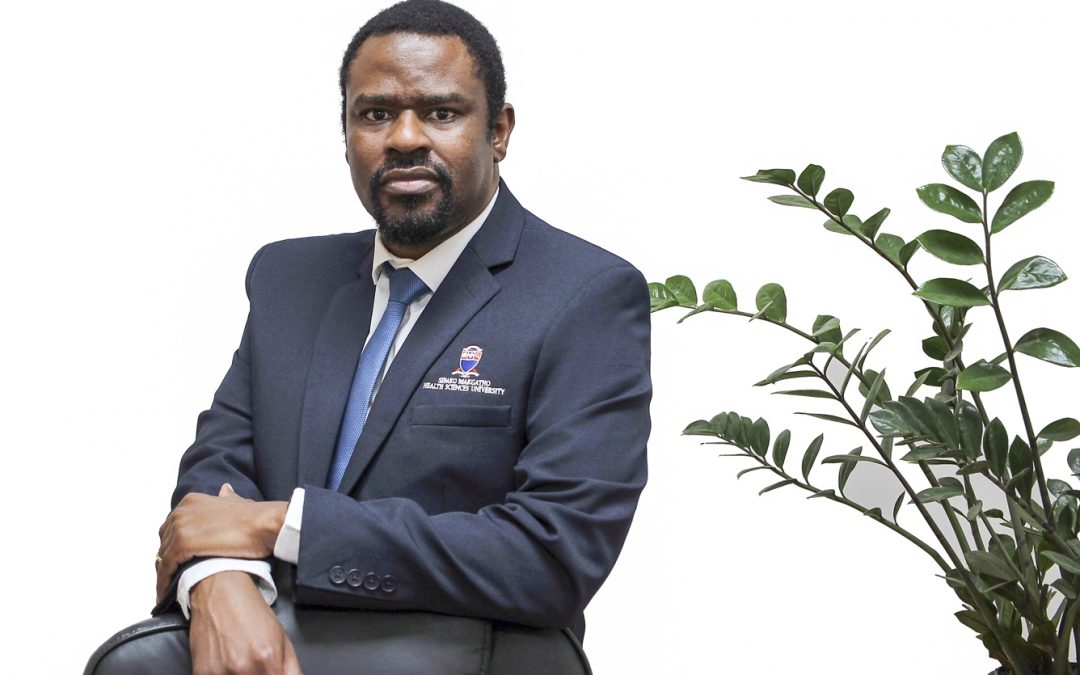
Sefako Makgatho Health Sciences University (SMU) Associate Professor Robert Ndou has received a C2 rating from the National Research Foundation (NRF), strengthening the University’s research profile while securing approximately R2.24 million in external research funding during 2026.
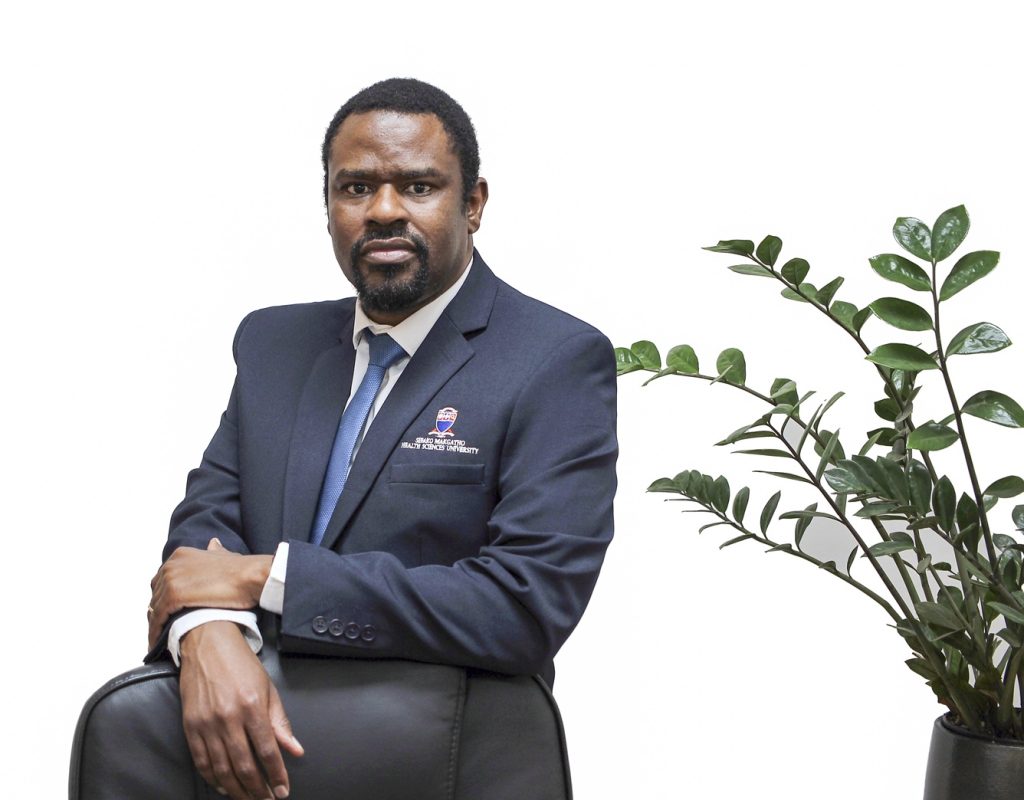 The recognition places Prof Ndou among established researchers with a sustained record of research productivity and peer recognition for producing quality work. Effective from 1 January 2026, the rating also advances SMU’s ambitions to strengthen its research capacity and increase the number of nationally and internationally recognised researchers, as outlined in its Strategic Plan 2024–2028.
Prof Ndou, who holds a PhD in Anatomy from the University of the Witwatersrand, has led SMU’s Department of Anatomy and Histology in the School of Medicine since 2019. Under his leadership, the department has recorded significant growth in postgraduate training and research output. Postgraduate enrolment has increased from zero before 2018, and a single Honours student in 2018 (the department’s only postgraduate student), to 34 registered students in 2026, while department academics have produced 62 journal articles over the past five years, with annual publication output increasing consistently.
The department’s progress was also recognised during a recent quality assurance review. In its preliminary feedback in November 2026, the review panel commended its growing research output, functional postgraduate pipeline, well-equipped histology and cell biology laboratories, and commitment to developing academic staff. Ten of the department’s 16 academics already hold doctoral qualifications, while the remaining six are registered for PhDs.
Prof Ndou’s research investigates how non-communicable diseases and metabolic stressors, including type 2 diabetes, chronic alcohol consumption and combination antiretroviral therapy, affect bone and brain health. Using advanced three-dimensional micro-focus X-ray computed tomography and microscopy, his team examines the diabetic bone paradox, whereby people with diabetes face an increased risk of fractures despite having apparently normal bone density.
His research also explores the therapeutic potential of Tulbaghia violacea, commonly known as wild garlic, an indigenous medicinal plant being investigated for its potential to address diabetes-related bone complications.
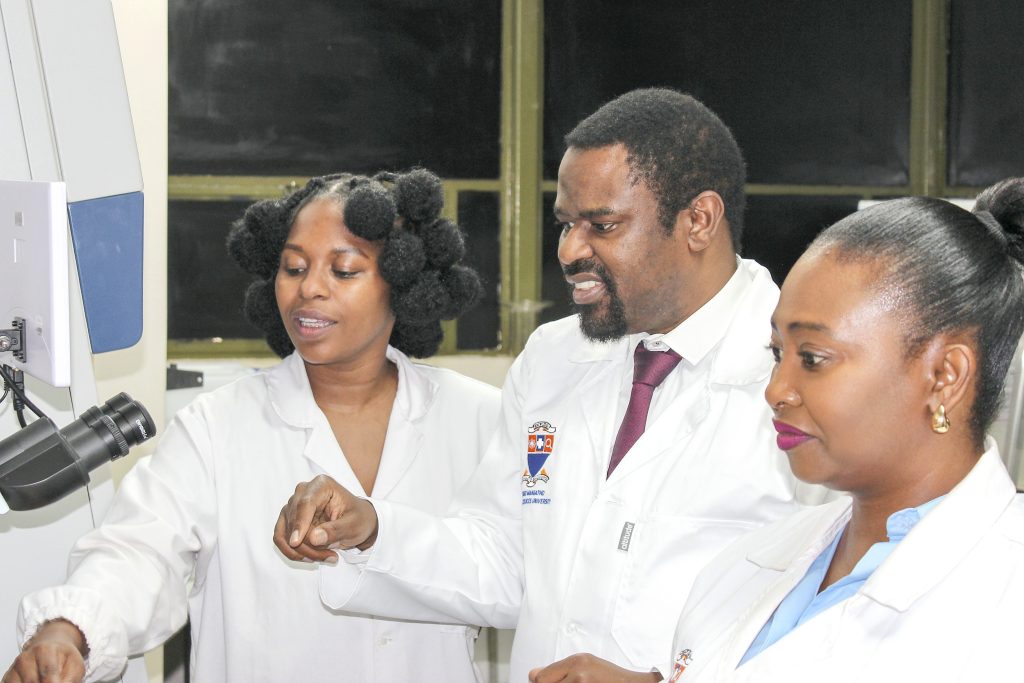 The research programme received a significant boost through two grants secured in 2026. These include R1.5 million from the Department of Science, Technology and Innovation’s Synthetic Biology Roadmap Implementation Programme, channelled through the Council for Scientific and Industrial Research (CSIR), and R739,998 from the South African Medical Research Council’s Research Capacity Development Initiative over three years.
The first project, which he co-leads with Dr S Govender-Davies, focuses on developing biofunctionalised 3D-printed bone scaffolds. The second, for which he serves as principal investigator, investigates Tulbaghia violacea extracts using human cell-based models of type 2 diabetic bone disease.
Reflecting on his achievement, Prof Ndou acknowledged the University’s contribution to creating an environment that supports research and innovation. “Research of this kind needs institutional support, and SMU has provided it at a difficult time for universities,” he said.
Beyond his research, Prof Ndou has supervised six PhD and five master’s students to completion, as well as more than 15 Honours students. He currently supervises three doctoral candidates, with his latest PhD graduate expected to graduate in December 2026.
His NRF rating, research funding achievements and commitment to postgraduate development demonstrate SMU’s growing contribution to scientific innovation and the advancement of health sciences research. Through investment in research excellence, academic capacity and strategic partnerships, the University continues to pursue its vision of transforming health services through excellence and innovation.
By Tumelo Moila

by Lorato | Nov 25, 2026 | Accolades and Achievements, All News, Alumni, SMU Media, Student Media
Sefako Makgatho Health Sciences University (SMU) continues to strengthen its research profile following the National Research Foundation’s (NRF) Y2 rating of Dr Clarissa Marcelle Naidoo, a Senior Lecturer in the Department of Biology and Environmental Sciences. The recognition highlights her growing research contribution in plant sciences, medicinal plant research and environmental sustainability, positioning her among emerging researchers with the potential to make a significant impact in their fields.
 The NRF Y2 rating recognises young researchers, aged 40 or younger, who have held a doctoral qualification for less than five years at the time of application and demonstrate the potential to establish themselves as researchers within five years. The Y2 category specifically acknowledges researchers whose recent research outputs demonstrate this potential, based on assessments by all or the overriding majority of reviewers.
Dr Naidoo, who earned her PhD in Biology from the University of KwaZulu-Natal in 2022, has developed a research programme exploring the scientific and practical value of South African medicinal plants. Her research interests include plant anatomy and micromorphology, phytochemistry, biodiversity, conservation biotechnology, metabolomics and the development of plant-based innovations for health and environmental applications.
Her work investigates bioactive compounds in medicinal plants and their potential applications, including antibacterial activity, antioxidant properties and the development of green nanoparticles. Through interdisciplinary research, she combines traditional plant knowledge with advanced scientific techniques, including molecular modelling, bioinformatics and metabolomics, to investigate the potential of indigenous plant resources.
“Receiving the NRF Y2 rating is an important milestone in my academic journey. It recognises the work I have invested in developing my research programme and motivates me to continue exploring the scientific potential of South African medicinal plants. I hope that my research will contribute to expanding scientific knowledge, supporting innovation and demonstrating the value of our indigenous plant resources.”
 Dr Naidoo has published extensively in peer-reviewed journals and contributed to international scientific publications. Her research profile records 250 citations, an h-index of eight and an i10-index of eight, according to Google Scholar data accessed in October 2025. One of her highly cited publications, examining the major bioactive alkaloids and biological activities of Tabernaemontana species, has attracted 76 citations.
Beyond research, Dr Naidoo has established a strong academic record in teaching, postgraduate supervision and curriculum development. At SMU, she coordinates and teaches undergraduate modules, including Botany and Occupational Health and Safety, while contributing to the development and quality assurance of academic programmes. She has also played a key role in developing and securing accreditation for the university’s new BSc Botany programme.
Her commitment to developing the next generation of scientists is reflected in her postgraduate supervision, including doctoral, master’s and honours students. Between 2022 and 2026, her supervision record includes three doctoral students, 12 master’s students and 15 honours students.
Her contributions also extend to community engagement, academic leadership and international scholarly collaboration. She has participated in initiatives promoting environmental sustainability, biodiversity conservation, STEM education and the application of scientific knowledge to community needs. She has also served as a keynote speaker, journal editor and peer reviewer for several international scientific publications.
“Dr Naidoo’s NRF Y2 rating is a significant achievement for the Department and the University. Her work reflects the value of sustained research, academic collaboration and the development of emerging researchers. Her contributions to teaching, postgraduate supervision and programme development also demonstrate her commitment to strengthening the academic environment at SMU.”
Dr Naidoo’s NRF recognition adds to a growing list of achievements at SMU, including the School of Science and Technology’s Dean’s Award for Best Emerging Researcher in 2025 and the Best Postdoctoral Researcher award in 2024.
The achievement reinforces SMU’s commitment to advancing research excellence, nurturing emerging academic talent and developing solutions to societal challenges. Through researchers such as Dr Naidoo, the University continues to strengthen its contribution to scientific innovation, environmental sustainability and the advancement of knowledge for the benefit of communities in South Africa and beyond.
By Tumelo Moila
by Lorato | Nov 25, 2026 | Accolades and Achievements, All News, Alumni, SMU Media, Student Media
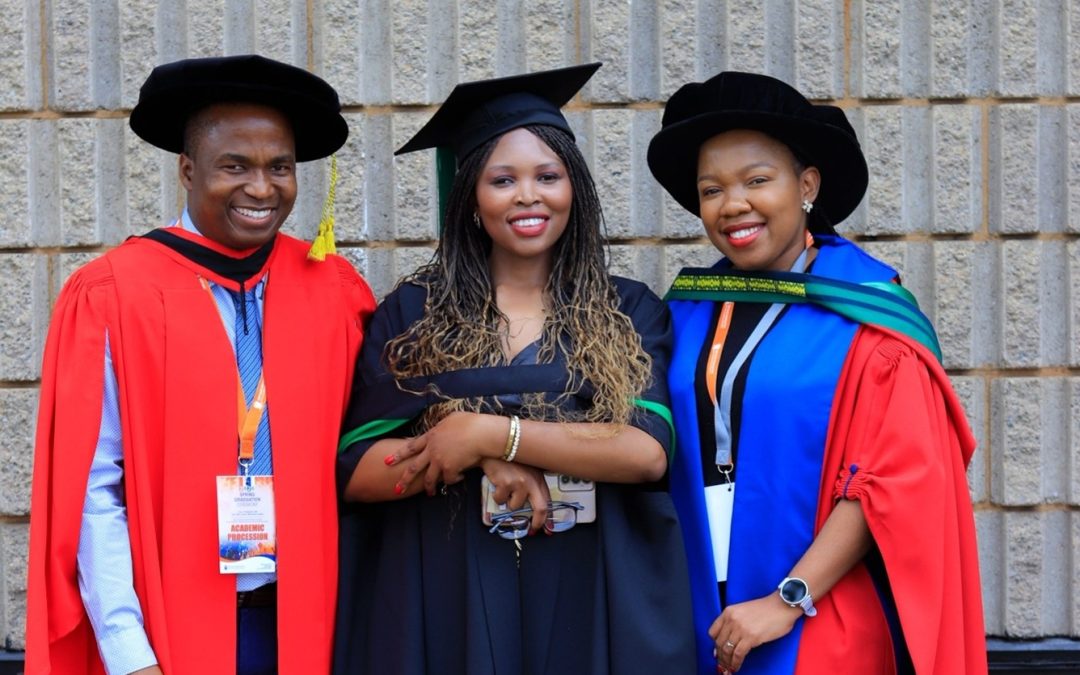
Sefako Makgatho Health Sciences University (SMU) postgraduate researcher Mbali Moreki has earned international recognition for her innovative work in nanotechnology and environmental sustainability, securing first place in the oral presentation category at the 10th International Conference on Nanoscience and Nanotechnology in Africa (NanoAfrica 2026).
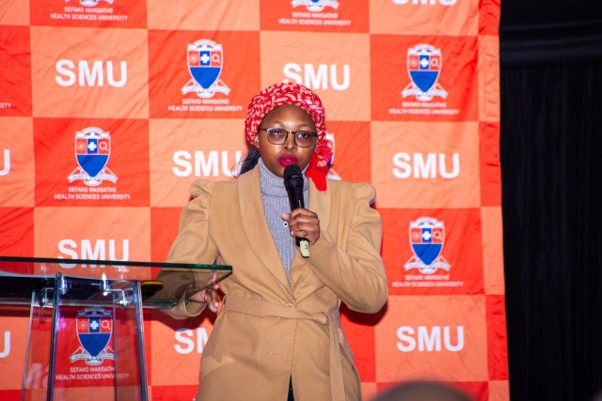 Held recently at the Boardwalk International Convention Centre in Gqeberha, Eastern Cape, the conference was themed Advancing Sustainable Nanotechnology for Societal Impact. Moreki’s achievement adds to a growing list of accolades recognising her contribution to scientific research, particularly in developing nanomaterials with potential applications for addressing water pollution.
A PhD candidate in SMU’s Department of Chemistry, Moreki’s research explores using Zinc Oxide-based nanomaterials to break down organic dye pollutants in wastewater through photocatalysis. Her doctoral project focuses on developing Zinc Oxide-Zinc Phthalocyanine (ZnO-ZnPc) nanocomposites, which will be tested for their ability to degrade pollutants under ultraviolet and visible-light irradiation.
Working under the supervision of Dr Nomasonto Rapulenyane and Dr Gold Gauta Matlou, Moreki aims to develop innovative materials that could contribute to more accessible and sustainable approaches to water treatment. “My research is driven by the need to explore innovative scientific solutions to environmental challenges, particularly water pollution and addressing Sustainable Development Goal 6. Nanotechnology offers opportunities to develop materials with improved photocatalytic properties that could contribute to more effective wastewater treatment,” she said.
She added that the research could have practical applications beyond conventional wastewater treatment facilities. “It could also benefit river systems in rural communities where infrastructure such as wastewater treatment plants is unlikely to be installed anytime soon. By harnessing the power of the sun, we could explore solutions that do not require expensive installation or operational costs,” Moreki said.
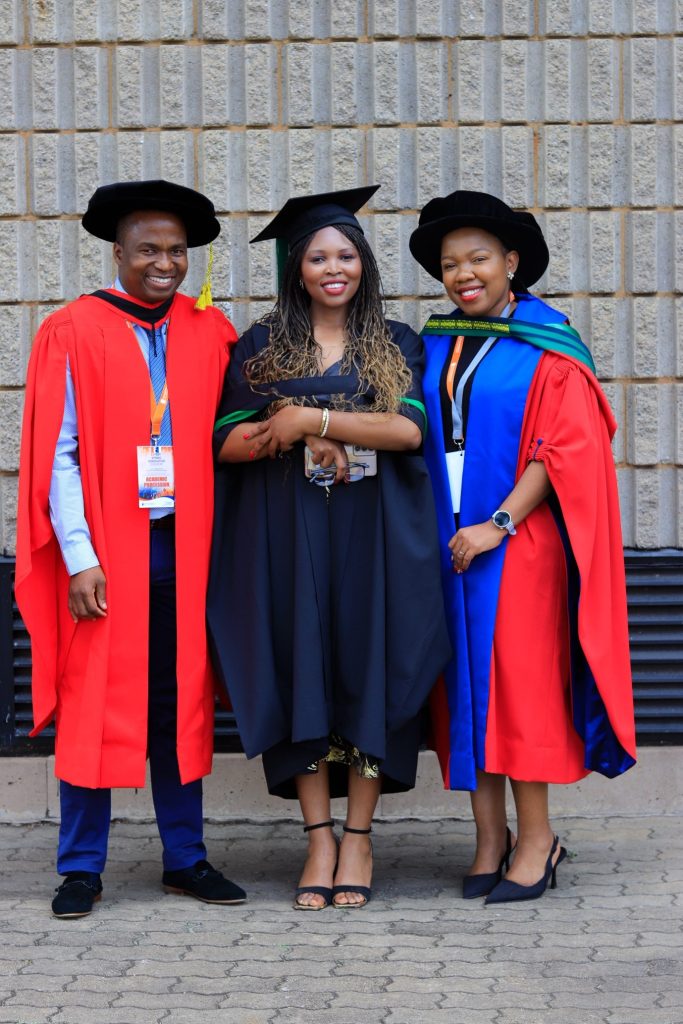 Her latest achievement follows another international milestone in June 2026, when she won first place in the Sustainable Development Goal 6 category at the Commonwealth Chemistry Posters Conference. The competition attracted 185 poster presentations from researchers representing 25 Commonwealth countries, with 25 winners recognised across the different SDG categories, including five other winners in her category, SDG 6.
Moreki has also received several awards at national scientific gatherings. These include first place in the Master of Science category at the 2024 Annual Young Scientists’ Conference, hosted by the Academy of Science of South Africa and the South African Young Academy of Science at Nelson Mandela University. In 2025, she secured another first-place award at the South African Chemical Institute’s North Section Young Chemists’ Symposium, hosted by Tshwane University of Technology.
She began her academic journey at SMU with a Bachelor of Science in Life Sciences, majoring in Chemistry and Biology, which she completed in 2021. She subsequently completed an Honours degree in Chemistry in 2022 and a Master of Science in Chemistry in 2026. Her master’s research examined the synthesis and characterisation of Zinc Oxide nanoparticles for the photocatalytic degradation of complex organic dyes, including Rhodamine 6G, under visible light, which is a huge feat for pure ZnO nanoparticles.
In 2025, she published research on the photocatalytic degradation of Rhodamine 6G in Results in Chemistry, co-authored with her supervisors. Beyond her research, Moreki serves as a part-time Laboratory Technical Officer at SMU, co-supervises two Honours research students and participates in the university’s Mobile Laboratory programme, helping Grade 10 to 12 learners from local schools develop practical science skills. She is also an IPECP facilitator for the first time in 2026.
Reflecting on the broader purpose of scientific research, she emphasised the importance of translating laboratory discoveries into solutions that address real societal needs. “Supervisors must work with the Technology Innovation Agency office to bring these innovative ideas and research to life, to help solve societal problems in reality and not just in a laboratory or publication,” she said.
Moreki’s achievements reflect SMU’s commitment to excellence in teaching, learning and innovative research. Through postgraduate development, scientific collaboration and community engagement, the university continues to nurture emerging scientists whose work contributes to sustainable development and addresses challenges affecting communities in South Africa and beyond.
By Tumelo Moila
by Lorato | Nov 11, 2026 | Accolades and Achievements, All News, Alumni, SMU Media, Student Media
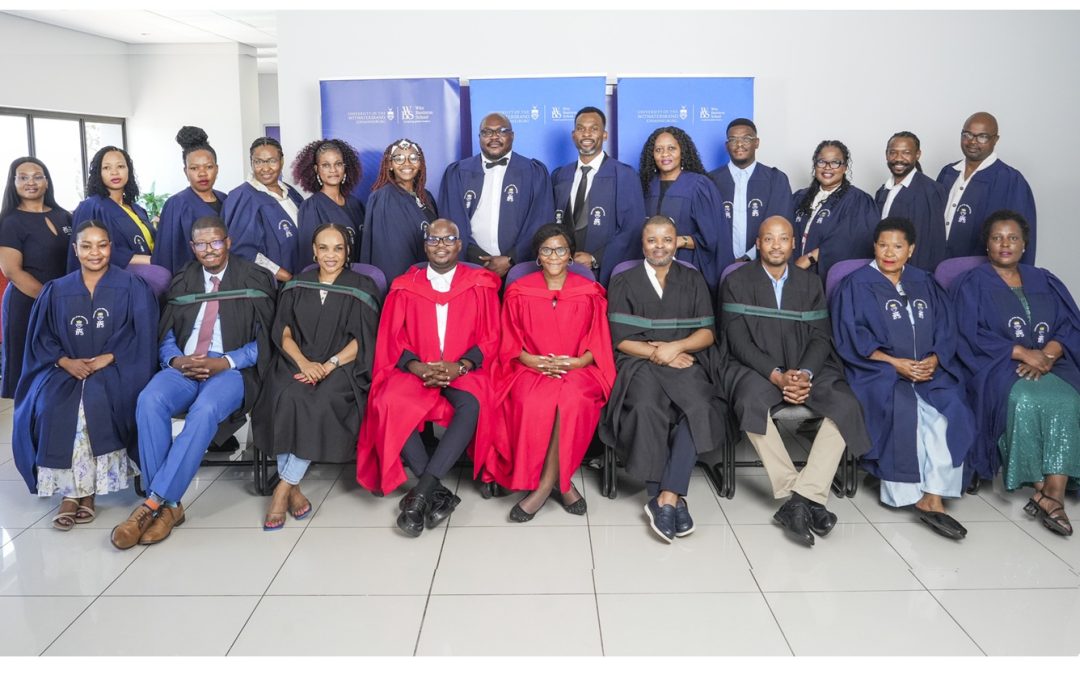
Sefako Makgatho Health Sciences University (SMU) has recognised the achievements of its 16 academic and support staff members after they completed the 2026 Supervisory Development Programme offered at Wits Business School (WBS), with certificates awarded on Friday, 6 November 2026.
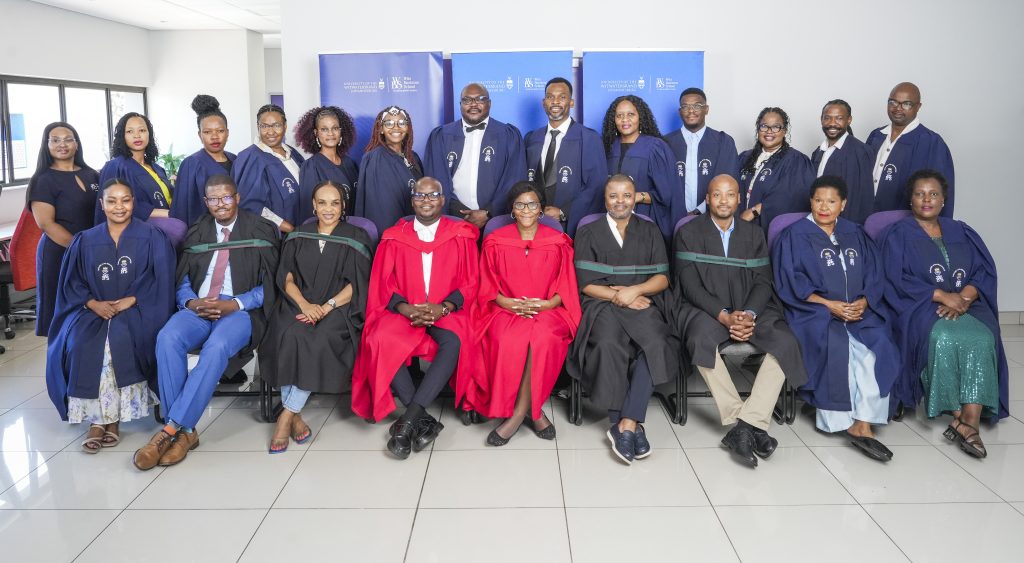 The intensive six-month programme was designed to strengthen participants’ leadership, supervisory and management capabilities, equipping them with practical skills to improve performance and lead teams effectively.
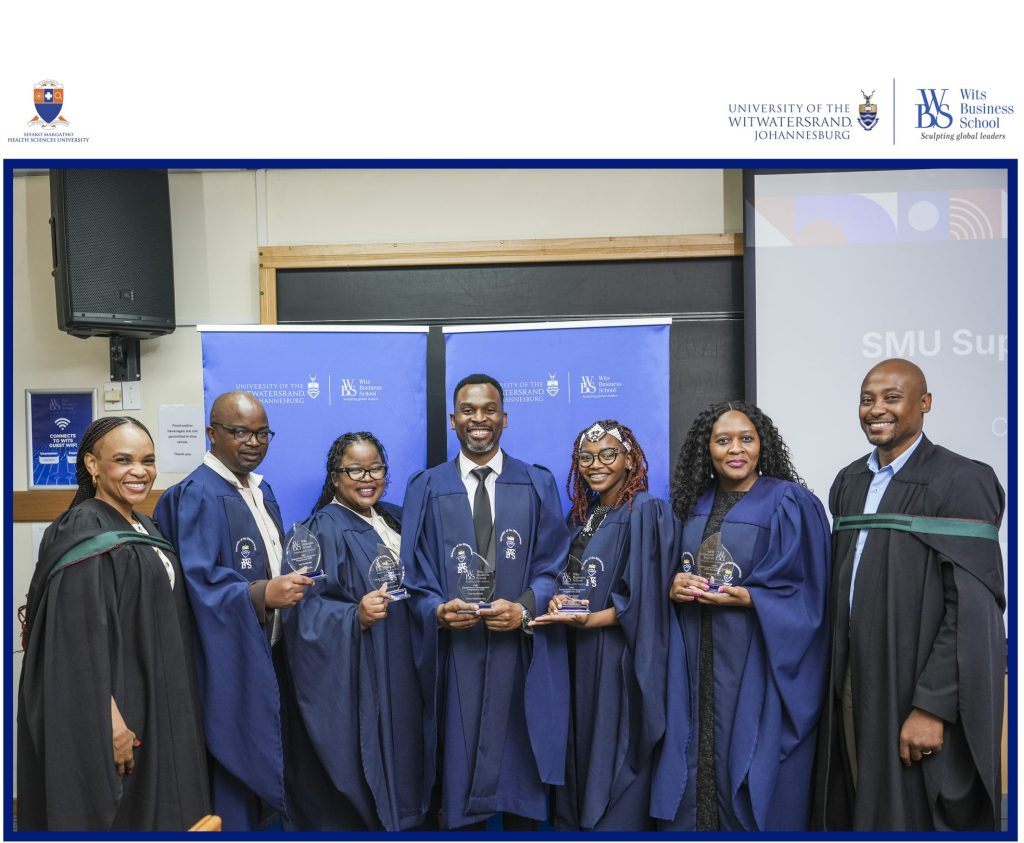
A highlight of the ceremony was the Catalyst Crew research syndicate receiving the programme’s top syndicate award for its project, titled Developing a Community Health and Medicine Safety Awareness Campaign for the Ga-Rankuwa Community.
The team comprises Benedict Masenamela, Senior Officer: Alumni Relations; Nokukhanya Nyawo, Operations Manager, School of Pharmacy; Dr Phumzile Skosana, Senior Lecturer, School of Pharmacy; Dr Thokozile Okaecwe-Mosiane, Acting HOD, Department of Pharmacy Practice; and Tumelo Moila, Acting Manager: Communications and Public Relations.
Individual excellence was also recognised, with Masenamela named the overall best student. Boipelo Motswane, Head of Residence: Student Affairs, secured second place, while Moila and Dr Okaecwe-Mosiane were tied at third place overall.
Masenamela described the recognition as humbling and rewarding. “Being named the overall best student is a humbling and rewarding achievement. The programme has strengthened my understanding of leadership, teamwork and effective management. It has also reinforced the importance of applying the knowledge gained to make a meaningful contribution to the University,” he said.
He added that the Catalyst Crew’s research award reflected the team’s collective commitment, collaboration and dedication to addressing community health needs.
Delivering the University’s address, Dr Tshifhiwa Mulaudzi, Director: Finance Operations (Acting) and WBS alumnus, described the programme as an investment in the University’s most valuable asset – its people.
 “People are the most valuable asset we have. A building does not mentor a new staff member. A system does not calm a tense meeting or notice when a colleague is struggling. People do. Supervisors do,” he said.
Mulaudzi encouraged graduates to view supervision as an act of stewardship, emphasising that effective leadership should prioritise employees’ development and wellbeing. He challenged them to consider whether their teams were better off because of their leadership.
Acting Executive Director: Student Affairs, Tulani Nkuntse, also emphasised the importance of developing capable supervisors to strengthen the University’s institutional performance.
“Leadership development is essential to building an effective and responsive University. As supervisors, these graduates can create supportive working environments, strengthen accountability, and ensure their teams contribute meaningfully to SMU’s mandate. The real value of this programme will be demonstrated through how they apply their knowledge and lead others,” said Nkuntse.
Nonhlanhla Sindane, Skills Facilitator at SMU, said the programme was an important investment in developing leadership capacity and critical skills pipelines across the institution. She encouraged participants to apply what they learned and transform their work environments.
The programme forms part of SMU’s broader leadership development initiatives, supported through its partnership with the Education, Training and Development Practices Sector Education and Training Authority (ETDP SETA). Previous initiatives include executive, transformational leadership and middle management development programmes.
Following the introduction of the Supervisory Development Programme in 2025, when 15 delegates participated, a further 16 employees completed the 2026 intake.
Acting Vice-Chancellor Professor Dini Mawela congratulated the participants and highlighted the programme’s 100% pass rate. She also acknowledged two employees from the University’s Cleaning Department who completed the programme, demonstrating SMU’s commitment to staff development across different occupational levels.
Through these initiatives, SMU continues to invest in its people, strengthen leadership capacity and build teams that advance its teaching, research and community engagement mandate.

by Lorato | Nov 11, 2026 | Accolades and Achievements, All News, Alumni, SMU Media, Student Media
Sefako Makgatho Health Sciences University (SMU) is recognising a significant academic achievement after its Transformation Manager, Dr Velencia Maupye, recently earned a Doctor of Social Work degree from the University of South Africa (Unisa). Her doctoral research focuses on developing strategies to prevent gender-based violence (GBV) in higher education institutions (HEIs), contributing to efforts to improve student safety, well-being and academic participation.
 Dr Maupye’s thesis, entitled Experience of undergraduate female students regarding gender-based violence in higher education institutions: Developing preventative strategies, examines the lived experiences of undergraduate female students affected by GBV. The study explores how violence affects students’ emotional well-being, participation in academic activities and sense of safety within higher education environments.
Using a qualitative research approach, the study drew on semi-structured, face-to-face interviews with undergraduate female students and student counsellors. Guided by Afrocentric Theory, African Feminism and Empowerment Theory, the research sought to understand students’ experiences and identify prevention strategies suited to the South African higher education context.
The findings highlighted the multiple forms of GBV experienced by female students and their negative consequences for psychosocial well-being and academic functioning. The research recommends strengthened awareness and education programmes, improved reporting mechanisms, greater institutional accountability and capacity-building for frontline personnel. It also advocates integrating GBV education into the curriculum to strengthen prevention efforts. “Gender-based violence in higher education requires a comprehensive response that places students’ experiences, safety and well-being at the centre of institutional interventions,” Dr Maupye said.
A key contribution of the doctoral study is the development of a comprehensive GBV prevention strategy and a monitoring and evaluation framework specifically tailored to higher education institutions in South Africa. These tools are intended to support institutions in implementing prevention initiatives, assessing their effectiveness and strengthening accountability.
 The research also contributes to social work scholarship and practice by providing evidence-based insights into the experiences of undergraduate female students. Its recommendations offer a foundation for developing responsive interventions that address institutional challenges while strengthening support for affected students.
Dr Maupye brings extensive professional experience in transformation management, gender mainstreaming, diversity and inclusion, employment equity and organisational change. Before her current role at SMU, she served as Head of Transformation at the University of Venda and previously held the position of Manager: Gender-Based Violence at SMU, where she led initiatives on campus GBV prevention, institutional policies, and stakeholder engagement.
Her academic qualifications include a Master of Arts in Social Work from the University of the Witwatersrand and a Bachelor of Arts in Social Work from the University of Limpopo. She also holds a Postgraduate Diploma in Project Management from MANCOSA and has completed professional development programmes in management, strategy execution and change management. “Research must translate into practical measures that strengthen prevention, improve institutional responses and create safer learning environments for students,” she said.
Dr Maupye’s doctoral achievement aligns with SMU’s commitment to excellence, accountability, respect and the promotion of a safe, inclusive university community. As a dedicated health sciences institution, SMU continues to recognise the importance of research and professional development in addressing social challenges and advancing the well-being of the communities it serves.
Her study reinforces the need for higher education institutions to treat GBV prevention as an institutional responsibility, supported by effective policies, accessible reporting systems and sustained interventions that protect students’ dignity and right to education.
By Tumelo Moila