by Lorato | Jul 28, 2026 | All News, Alumni, SMU Media, Student Media
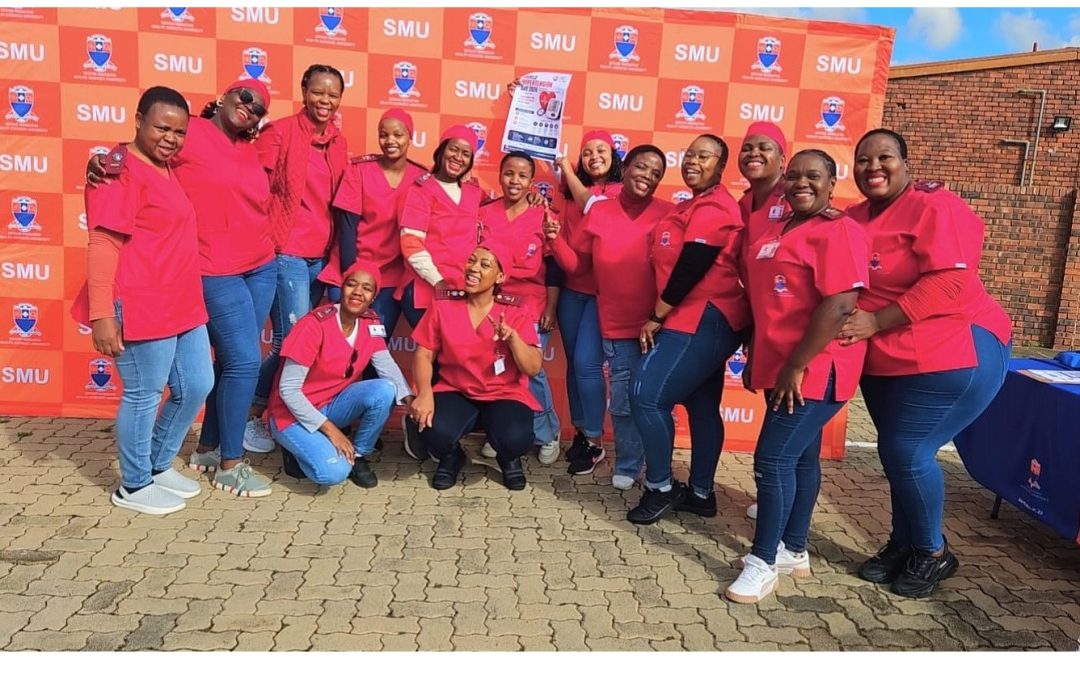
Sefako Makgatho Health Sciences University (SMU) reaffirmed its commitment to community engagement and preventative healthcare when Postgraduate Diploma (PGDip) in Occupational Health Nursing students commemorated World Hypertension Day 2026 through a health promotion and awareness programme at the Itireleng Residential Facility for the Disabled. Aligned with this year’s global theme, “Controlling Hypertension Together,” the initiative equipped employees with practical knowledge to prevent, detect, and manage high blood pressure, while giving students valuable hands-on experience in occupational health practice.
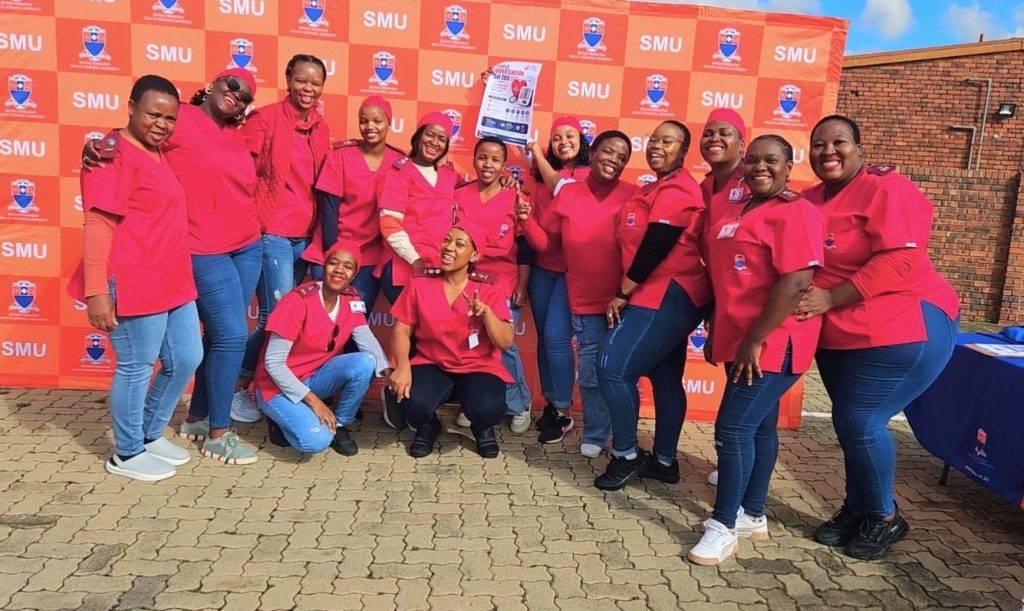 Led by PGDip Occupational Health Nursing students Elizabeth Baloyi-Shibure and Sisanda Tivana, the outreach programme demonstrated the University’s commitment to producing healthcare professionals who combine academic excellence with meaningful community service. Through health education, advocacy and engagement, the students translated classroom learning into practical interventions that promote healthier workplaces and communities.
Hypertension remains one of the leading risk factors for cardiovascular disease globally and is often described as the “silent killer” because it frequently develops without noticeable symptoms. If left undiagnosed or poorly managed, it can lead to serious health complications, including stroke, heart disease and kidney failure.
Delivering the keynote address, Phuthutshedzo Lungisani, a Dietician at Mediclinic Legae, highlighted the vital role of nutrition and healthy lifestyle choices in preventing and controlling hypertension. He encouraged participants to adopt balanced diets, reduce salt intake, remain physically active and make sustainable lifestyle changes to improve their long-term health.
“The theme ‘Controlling Hypertension Together’ reminds us that the fight against hypertension extends beyond healthcare facilities. It requires collaboration between healthcare professionals, employers, families and individuals. Through education, healthier lifestyle choices and regular screening, we can significantly reduce the burden of hypertension within our communities,” he said.
The programme was organised under the guidance of Lorato Manyeneng, Lecturer in the PGDip Occupational Health Nursing programme at SMU, who emphasised the importance of preventative healthcare in reducing the impact of non-communicable diseases. She encouraged employees to prioritise routine health assessments and make informed decisions that support lifelong wellbeing.
“Prevention remains one of the most effective strategies in addressing non-communicable diseases such as hypertension. By empowering individuals with knowledge and encouraging early detection, we can improve health outcomes and enhance quality of life,” said Manyeneng.
She also commended the students for demonstrating professionalism and leadership while serving the community.
 “As future occupational health practitioners, our students have a responsibility to promote health and wellbeing in workplaces and communities. Today’s initiative demonstrates the important role nurses play in educating, empowering and supporting individuals to take charge of their health,” she added.
Adding a multidisciplinary perspective to the programme, physiotherapist Kabelo Nyalungu, from Kabelo Nyalungu Physiotherapy, highlighted the importance of regular physical activity in maintaining cardiovascular health and reducing the risk of chronic illnesses.
“Physical activity is one of the most accessible and effective interventions for controlling hypertension. Even moderate exercise performed consistently can contribute significantly to better cardiovascular health, reduced stress levels and improved quality of life,” he said.
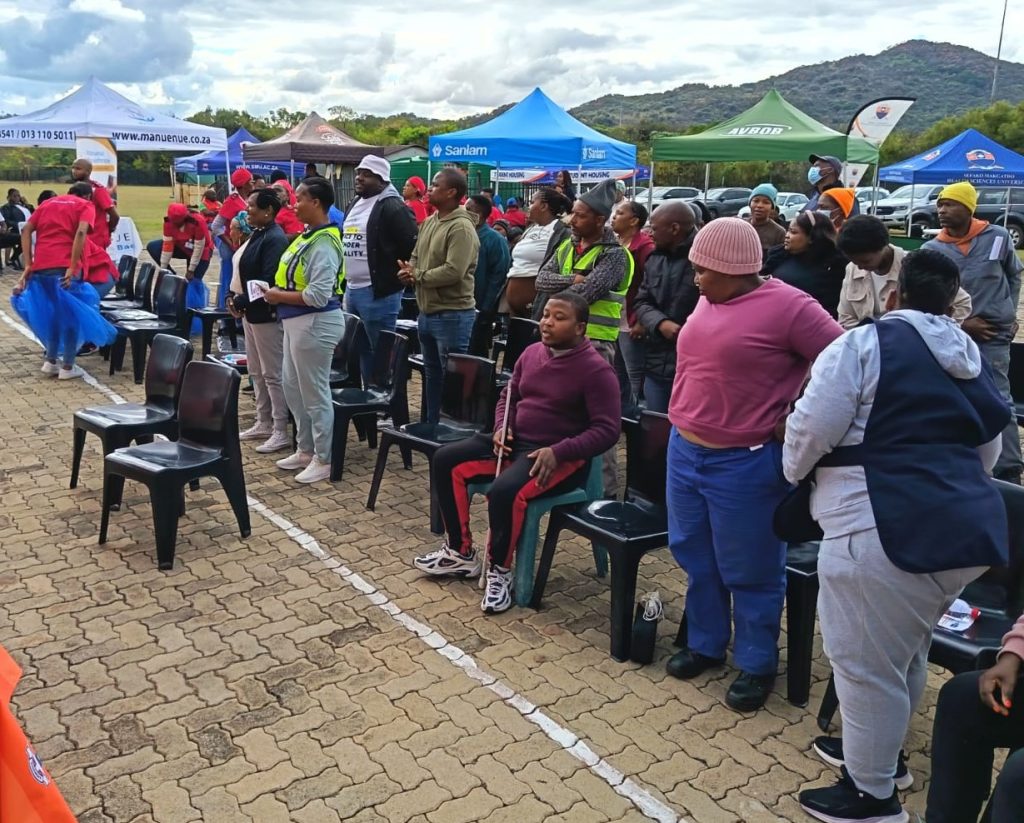
Employees participated in blood pressure screenings, health education sessions and interactive discussions with students and healthcare professionals. The programme encouraged participants to take greater responsibility for their health while reinforcing the importance of regular screening and healthy lifestyle choices in preventing hypertension.
The outreach initiative was undertaken under the leadership of Dr Andile Mokoena de-Beer, Acting Head of the Nursing Science Department at SMU, and reflects the Department’s commitment to developing competent, compassionate healthcare professionals who respond to pressing public health challenges through education, advocacy and service. By combining academic learning with community engagement, SMU continues to advance its vision of transforming health services through excellence and innovation while preparing graduates to improve the health and wellbeing of communities across South Africa.
By Dimakatso Modise

by Lorato | Jul 22, 2026 | All News, Alumni, SMU Media, Student Media
For Sefako Makgatho Health Sciences University (SMU) alumnus Given Baloyi, success is measured not only by professional achievements but by the lives he has transformed through sports physiotherapy. From graduating as the Best Sports Medicine Student at the then Medical University of Southern Africa (Medunsa) to serving as Chief Physiotherapist for Athletics South Africa (ASA), Baloyi’s inspiring career reflects SMU’s commitment to producing healthcare professionals who excel locally and internationally through dedication, innovation and service.
 Originally from Muyexe Village outside Giyani in Limpopo, Baloyi enrolled at Medunsa in 2002 after initially studying towards a Bachelor of Science degree at the University of Venda. The decision proved to be life-changing, providing him with the academic foundation and practical experience that would launch an accomplished career in sports physiotherapy.
“I registered at Medunsa in 2002, and that decision changed my life. I found my purpose in Physiotherapy, and in 2005, I proudly graduated as the Best Sports Medicine Student of the Year. That achievement motivated me to pursue excellence in everything I do,” said Baloyi.
After completing his community service, Baloyi returned to Medunsa (now SMU) in 2007 to pursue a Master of Public Health, demonstrating his commitment to lifelong learning. He credits several lecturers and mentors, including Bafana Sihlali, Dr Bhekiwe Mtshali, Dr Muziwakhe Tshabalala and Godfrey Sepuru, for nurturing his talent and inspiring him to strive for excellence throughout his career.
“From my first day at Medunsa, I wanted to make a difference in people’s lives. My mentor, Mr Bafana Sihlali, together with Dr Bhekiwe Mtshali, Dr Muziwakhe Tshabalala and my senior, Godfrey Sepuru, believed in me and guided me throughout my journey. Their support inspired me to become the professional I am today,” he said.
Baloyi attributes much of his success to the University’s emphasis on combining academic excellence with practical clinical exposure. Through clinical blocks, sports activities and community outreach programmes, he gained invaluable hands-on experience, including providing physiotherapy services at marathons while still a student. One of those opportunities saw him supporting athletes at the 2005 Comrades Marathon, an event he would later complete as a runner himself.
Over the years, Baloyi has represented South Africa at some of the world’s biggest sporting events, including the FIFA World Cup, the Olympics and Paralympic Games, the World Athletics Championships and the African Games. He has also served as physiotherapist for Bafana Bafana and Banyana Banyana and now leads the medical support team as Chief Physiotherapist for Athletics South Africa, working with elite athletes such as Akani Simbine, Elroy Gelant, Melikhaya Frans, Caster Semenya and Prudence Sekgodiso.
“Representing South Africa on the international stage has been one of the greatest honours of my career. Every event exposed me to new knowledge, world-class professionals and invaluable experiences that have shaped me as a sports physiotherapist,” he said.
Baloyi’s passion for sport extends beyond treating athletes. Inspired by coach Samuel Sepeng, he embraced distance running, completing his first marathon in 2016 before qualifying for the Comrades Marathon. After finishing his first Comrades in under 9 hours, he successfully completed the 2026 race, an achievement that deepened his understanding of the physical and mental demands endurance athletes face.
“Completing the 2026 Comrades Marathon reminded me that success is built through preparation, consistency and mental strength. Running the race also makes me a better physiotherapist because I understand first-hand the physical and mental demands endurance athletes experience,” he said.
Encouraging current SMU Physiotherapy students to pursue their ambitions with confidence, Baloyi said the University’s graduates have the potential to excel anywhere in the world.
“The sky is not the limit for SMU graduates. We are capable of representing South Africa with distinction worldwide. Success comes through dedication, discipline, hard work and mental toughness. Never stop believing in your potential because your education can take you further than you ever imagined,” he said. Through graduates such as Baloyi, SMU continues to demonstrate how excellence in health sciences education produces professionals who advance healthcare, inspire future generations and proudly represent South Africa on the global stage.
By Dimakatso Modise
by Lorato | Jul 22, 2026 | All News, Alumni, SMU Media, Student Media
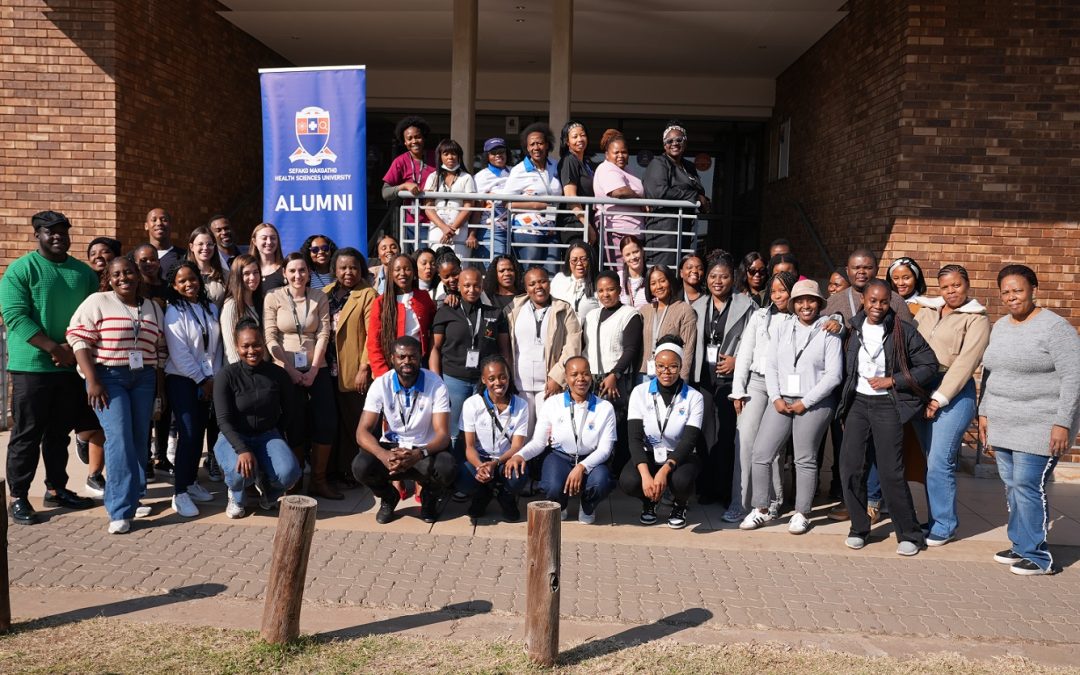
The Human Nutrition and Dietetics Alumni Chapter at Sefako Makgatho Health Sciences University (SMU) reinforced its commitment to advancing healthcare education by hosting a two-day Tube Feeding Workshop on 16 and 17 July 2026. Bringing together dietitians, doctors, nurses, psychologists, speech therapists, students and alumni, the workshop equipped healthcare professionals with the latest evidence-based knowledge and practical skills to improve enteral nutrition and patient care. The programme was held at the POME Boardroom II, followed by supervised clinical sessions at Dr George Mukhari Academic Hospital (DGMAH).
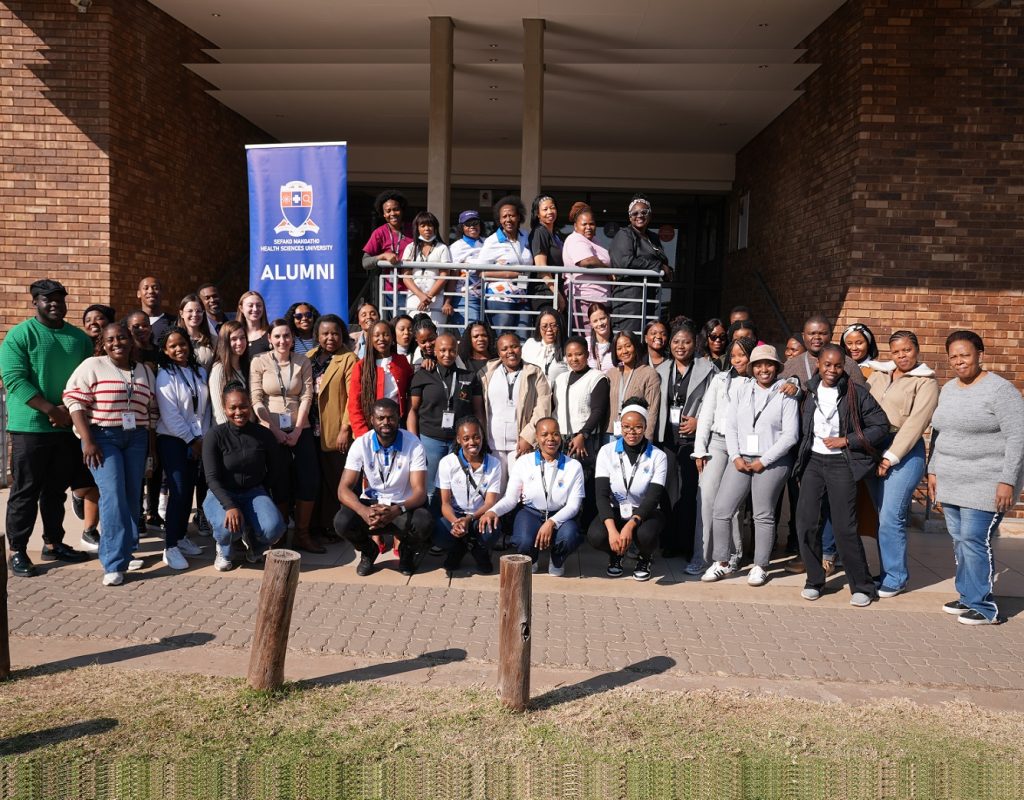 Designed to bridge the gap between theory and clinical practice, the workshop highlighted the importance of multidisciplinary collaboration in managing patients requiring tube feeding. Delegates explored the scientific, ethical and psychological aspects of enteral nutrition while gaining hands-on clinical experience under the guidance of experienced facilitators. The initiative reflects SMU’s ongoing commitment to producing highly skilled healthcare professionals capable of delivering quality, patient-centred care.
Opening the workshop, Head of the Department of Human Nutrition and Dietetics, Dr Mashudu Manafe, welcomed participants and underscored the importance of continuous professional development in an evolving healthcare environment. The programme began with a pre-test, followed by expert presentations on nutrition support, digestive anatomy and physiology, metabolic and gastrointestinal complications, gastrostomy tube placement, nutrition administration, speech therapy interventions, and stoma care. Participants also examined the ethical dimensions of tube feeding, psychological support for patients and caregivers, and heard a moving patient testimony illustrating the life-changing impact of compassionate clinical care.
The workshop concluded with supervised practical sessions at DGMAH, where participants applied their newly acquired knowledge in real clinical settings. A post-test demonstrated improved understanding, reinforcing the value of combining theoretical learning with practical application to strengthen clinical competence and improve patient outcomes.
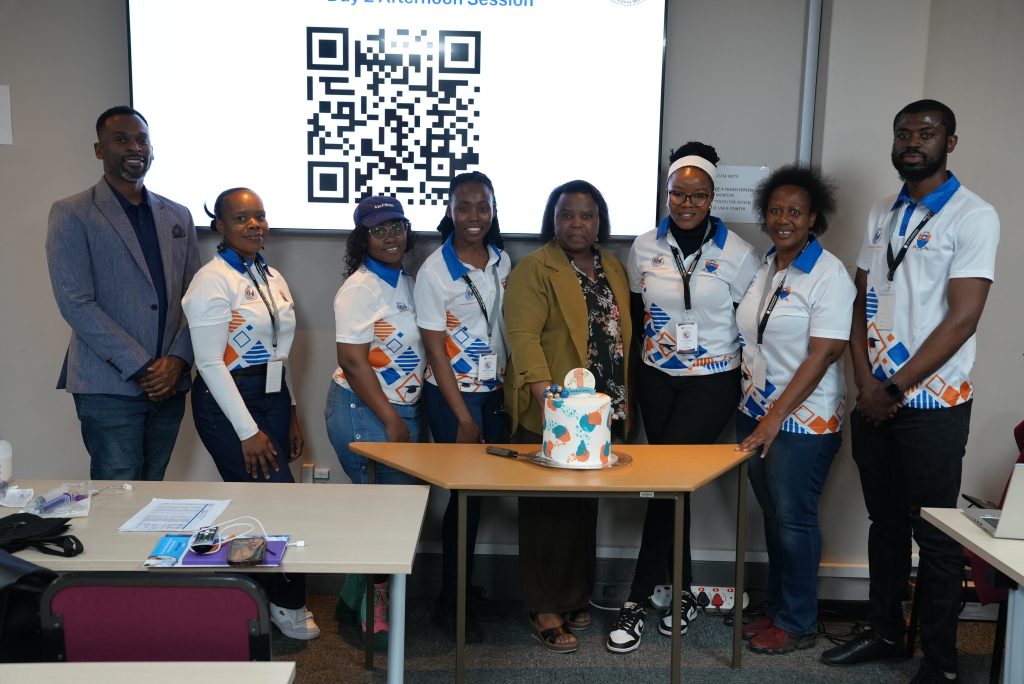 Senior Officer: Alumni Coordination, Benedict Masenamela, praised the Human Nutrition and Dietetics Alumni Chapter for creating a platform that promotes lifelong learning while strengthening professional networks across the healthcare sector. “This workshop, organised by the Human Nutrition and Dietetics Alumni Chapter, is an excellent initiative. It gave students and healthcare professionals a chance to gain evidence-based knowledge, develop practical hands-on skills and learn from experienced facilitators,” said Masenamela.
He said initiatives of this nature demonstrate how continuous professional development directly contributes to improved healthcare services. “Focusing on tube feeding and improving patient outcomes shows how continuous learning in healthcare leads to better results and best practices. Every healthcare professional has a responsibility to remain current with emerging knowledge so that patients receive the highest standard of care,” he added.
Masenamela also highlighted the important role alumni play in supporting the university community. “I also appreciate how the alumni continue to support one another and current students by creating platforms for professional growth, networking and knowledge sharing. Workshops like this strengthen the bond between graduates and the university while contributing to better healthcare services and patient care.”
By bringing together experienced practitioners, students and graduates to share knowledge and develop practical expertise, the Human Nutrition and Dietetics Alumni Chapter continues to advance SMU’s mission of excellence in health sciences education. Through initiatives such as the Tube Feeding Workshop, the university is strengthening professional competence, fostering lifelong learning and contributing to improved healthcare outcomes for communities across South Africa.
By Dimakatso Modise
by Lorato | Jul 22, 2026 | All News, Alumni, SMU Media, Student Media
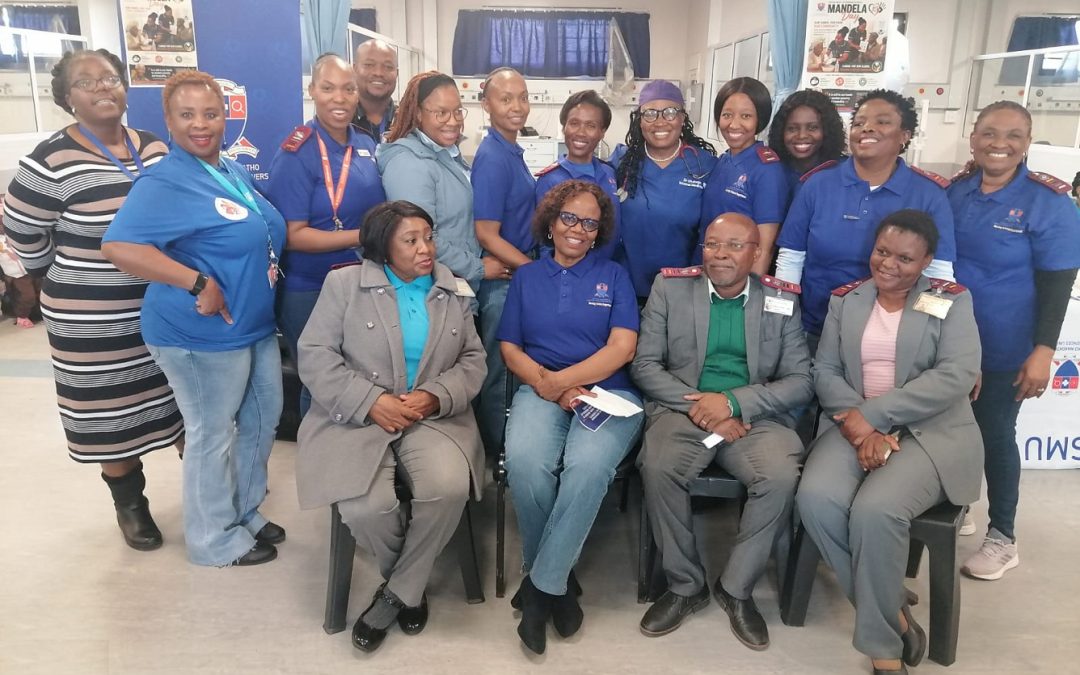
The Department of Nursing Sciences at Sefako Makgatho Health Sciences University (SMU) celebrated Nelson Mandela International Day by bringing compassion, health education and joy to older persons at Dr George Mukhari Academic Hospital (DGMAH). Guided by the Mandela Day theme, “It is Still in Our Hands to Combat Poverty and Inequality,” the Department’s Community Engagement and Interprofessional Education and Collaborative Practice (IPECP) Committee organised a community outreach programme focused on “Caring for Our Elders.” The initiative united academics, clinical facilitators, healthcare professionals and nursing students in a shared commitment to promoting dignity, healthy ageing and community service.
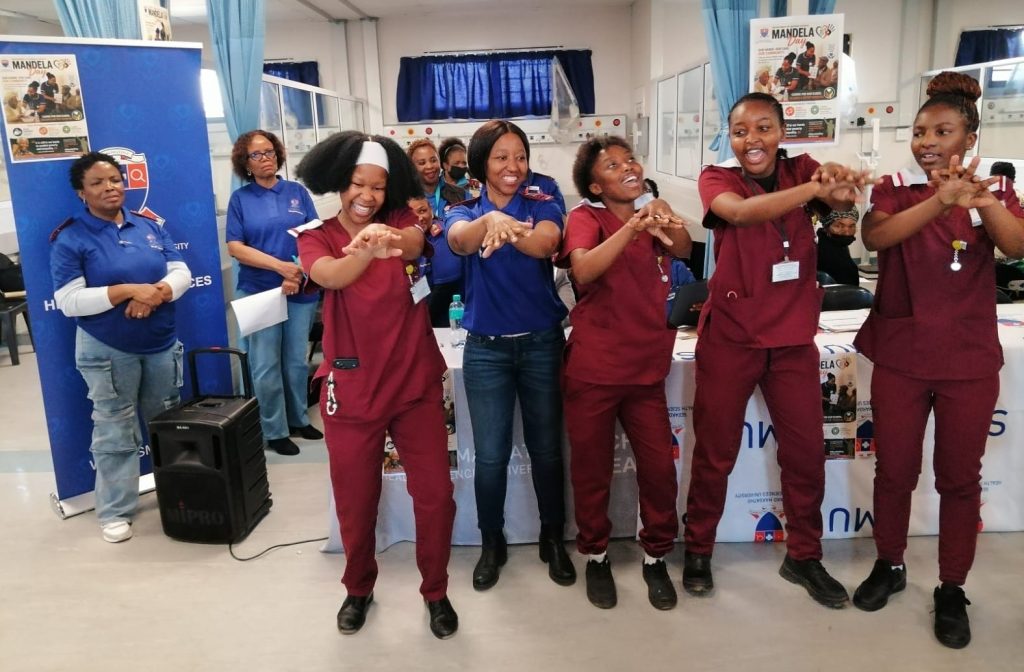
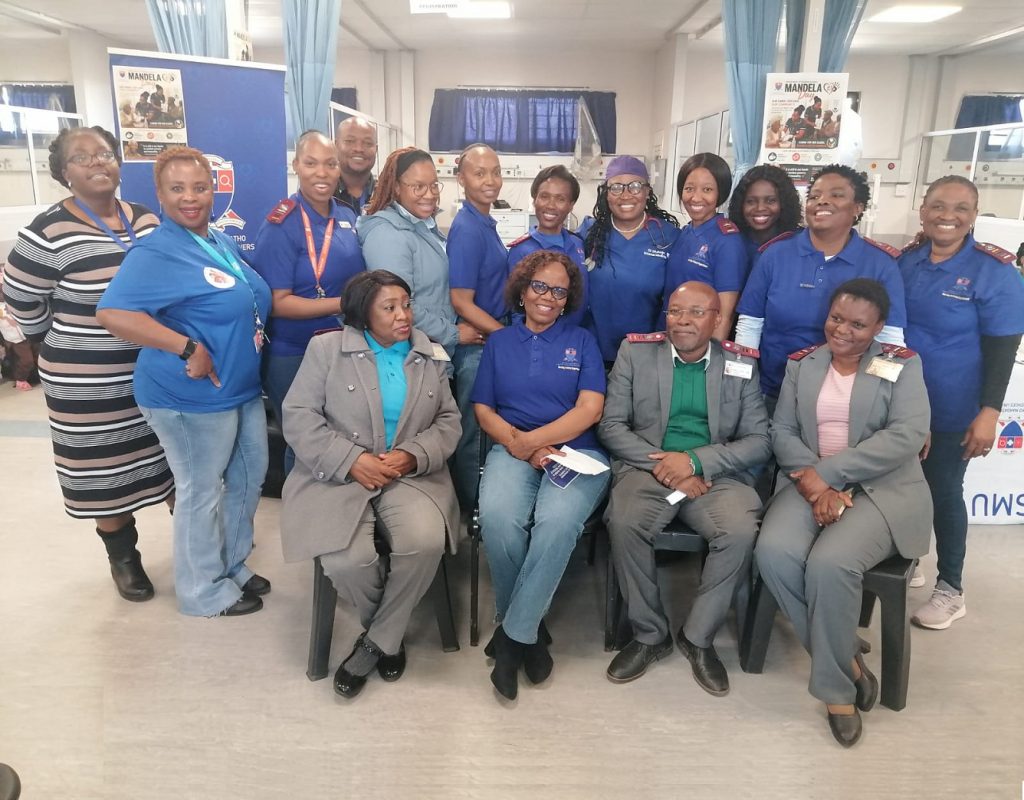 Hosted at the hospital’s Geriatric Clinic in the Alternative Building Technologies (ABT) Section and Medical Outpatient Department (MOPD), the outreach combined health education with meaningful human interaction. Music, dancing and conversation transformed the clinic into a welcoming space where older patients felt valued and appreciated. While health promotion remained central to the programme, it was the warmth and compassion shown by students and staff that embodied the spirit of Nelson Mandela International Day.
Chairperson of the Community Engagement and IPECP Committee, Dr Rirhandzu Friddah Mathevula, said the initiative demonstrated that quality healthcare extends beyond clinical treatment.
“Mandela Day reminds us that service is not measured only by what we give, but by how we make people feel. Today we celebrated our older persons by educating them, listening to them, dancing with them and reminding them that they remain valued members of our communities. This is exactly the kind of compassionate healthcare professionals we strive to develop at SMU.”
Dr Mathevula said the outreach reflected the University’s commitment to producing graduates who combine clinical competence with empathy, compassion and a genuine desire to serve their communities.
The educational programme featured a range of health promotion sessions tailored to the needs of older persons. Dr Mantsebeng Ditshego, Medical Officer in the Geriatric Department at DGMAH and lecturer in Internal Medicine at SMU, delivered an informative presentation on bone health and healthy ageing. She encouraged patients to maintain a balanced diet, remain physically active, and attend regular medical check-ups to reduce the risk of osteoporosis and other age-related conditions.
 “Our clinic primarily serves patients aged 65 years and above, although we also see younger patients with significant comorbidities requiring specialised geriatric care. Healthy bones are essential for maintaining mobility, independence and quality of life, which is why education on bone health is so important.”
The outreach also created valuable experiential learning opportunities for nursing students. First-year students, under the guidance of Clinical Facilitator Level 1 Rhudzani Bakali, demonstrated effective hand hygiene through the theme “Clean Hands, Healthy Lives.” In contrast, third-year students, supported by Clinical Facilitator Levels 2 and 3, Tumisho Mokwele, led discussions on healthy eating, medication adherence, chronic disease management, physical activity, and preventive healthcare.
Reflecting on the experience, third-year nursing student Palesa Mofokeng said the initiative reinforced the human side of healthcare. “Today reminded us that nursing is about caring for the whole person. Seeing our patients smile, dance and laugh with us while learning about their health was incredibly rewarding. It showed us that compassion, respect and kindness are just as important as clinical skills.”
As the programme concluded, the smiles shared between patients, students and staff reflected the lasting impact of compassionate service. By honouring Nelson Mandela’s legacy through community engagement, health education and genuine human connection, SMU continues to demonstrate that excellence in nursing education is built on service, Ubuntu and a commitment to improving the wellbeing of the communities it serves.
By Dimakatso Modise
by Lorato | Jul 9, 2026 | All News, Alumni, SMU Media, Student Media
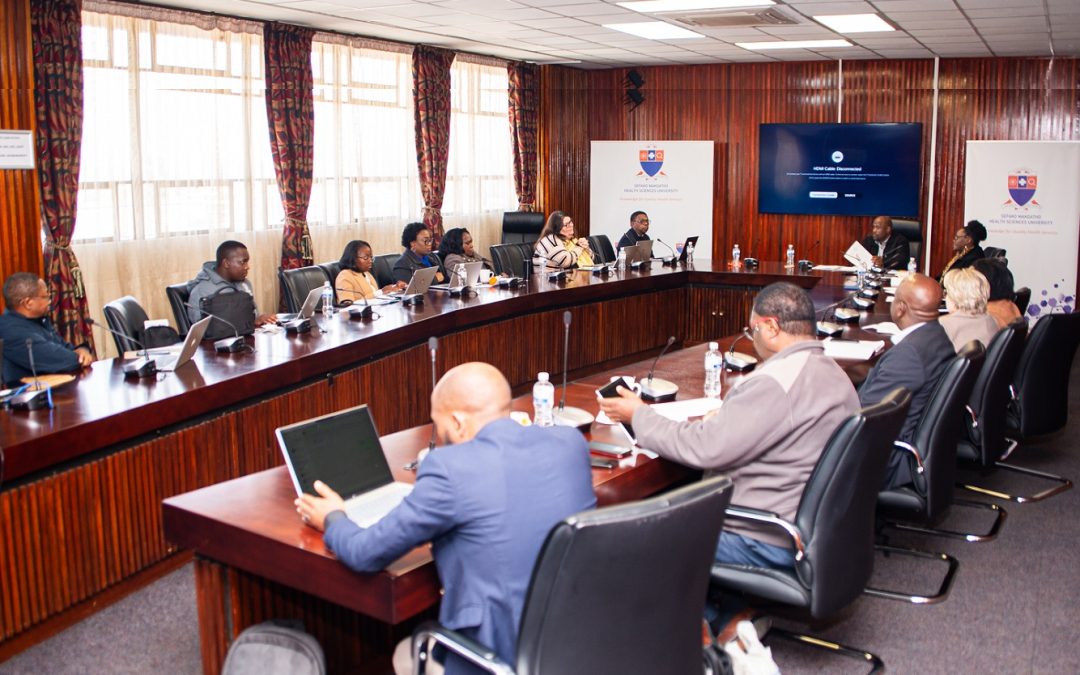
Sefako Makgatho Health Sciences University (SMU) has reaffirmed its commitment to global engagement and academic excellence following an internationalisation oversight visit by the Department of Higher Education and Training (DHET) on Wednesday, 8 July 2026.
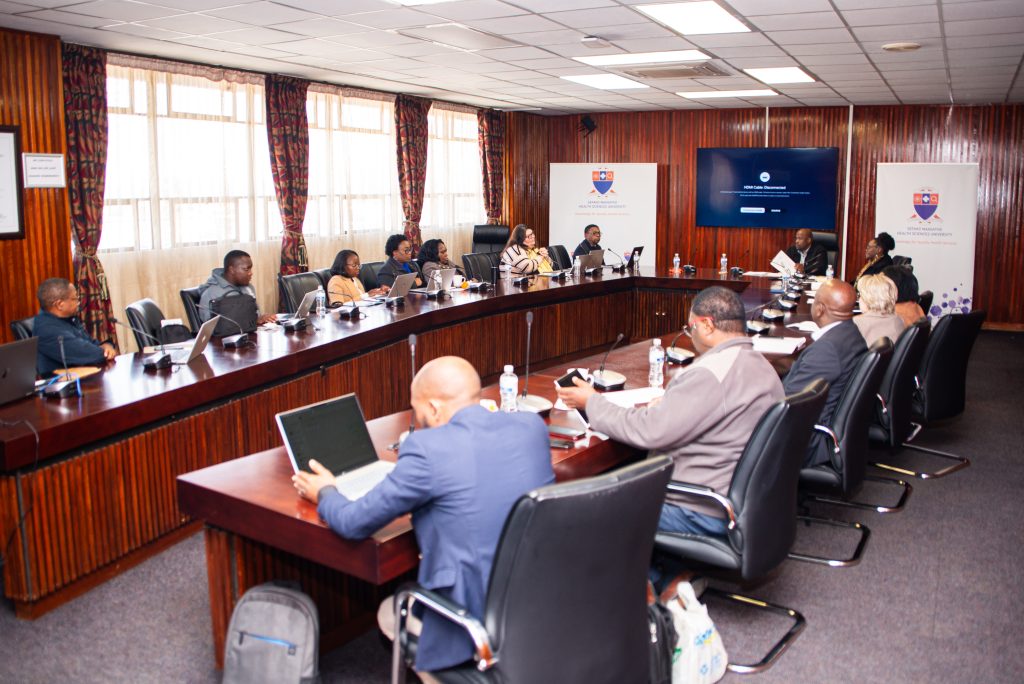 Held in the Vice-Chancellor’s Boardroom, the visit brought together representatives from DHET and SMU’s executive leadership to assess the University’s internationalisation strategy, review progress in implementing national policy and explore opportunities for greater collaboration across the higher education sector.
The engagement also coincided with the appointment of SMU’s Director of Internationalisation, Dr Carlien Jooste, to the DHET Reference Group tasked with developing the implementation strategy for South Africa’s Policy Framework for Internationalisation of Higher Education.
Welcoming the delegation, Acting Deputy Vice-Chancellor: Academic and Research Professor Douglas Maleka said internationalisation had become a critical pillar of institutional development and a key driver of academic and research excellence.
“Internationalisation is no longer optional for universities seeking to remain relevant in a rapidly changing world. It provides opportunities to strengthen academic quality, expand research collaborations and prepare graduates to contribute meaningfully in an interconnected global society,” he said.
Professor Maleka added that SMU’s internationalisation agenda remains firmly aligned with the University’s mandate of producing socially accountable healthcare professionals while responding to national and continental development priorities.
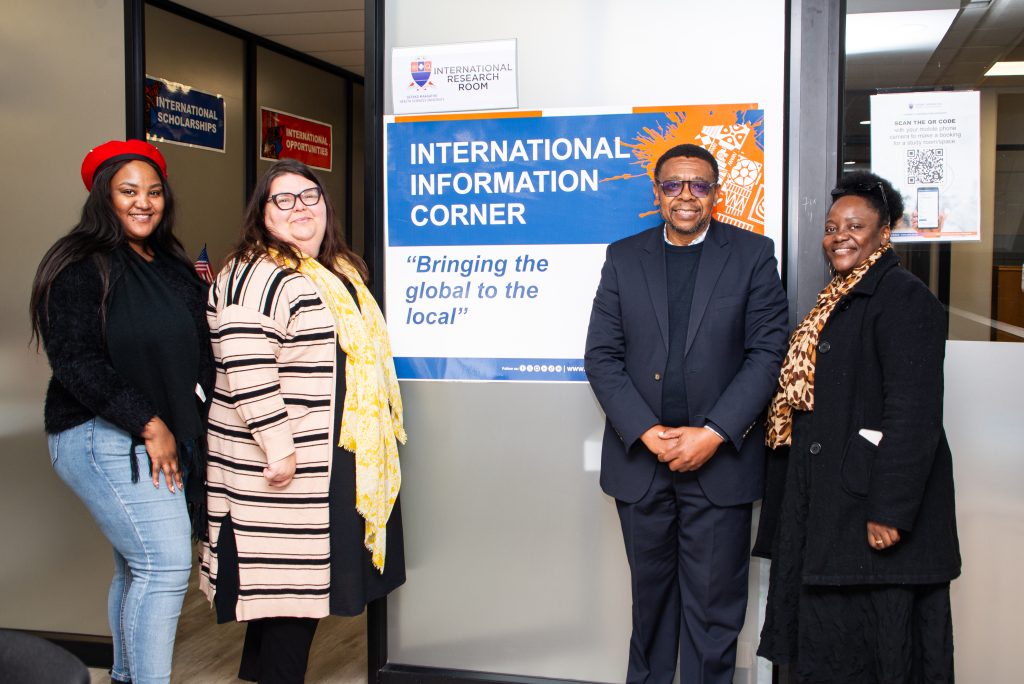 Presenting an overview of the University’s internationalisation strategy, Dr Jooste highlighted the work of the Directorate of Internationalisation and its contribution to advancing SMU’s global engagement agenda. She outlined the University’s expanding network of international partnerships, collaborative research initiatives and academic mobility programmes that continue to position SMU as an emerging global health sciences institution.
“Our internationalisation strategy is centred on creating meaningful partnerships that advance teaching, learning and research while ensuring that our initiatives contribute to both national priorities and global knowledge exchange,” she said.
Dr Jooste also reflected on the University’s progress in implementing the DHET Policy Framework for Internationalisation of Higher Education and identified opportunities for closer collaboration between universities and the Department to maximise the impact of international partnerships.
Leading the delegation was DHET Deputy Director for University Research Support and Policy Development, Dr Idah Makukule, who engaged with University leadership on policy implementation, governance and institutional readiness. Discussions focused on how higher education institutions can collectively strengthen internationalisation and ensure that global partnerships contribute to teaching and learning, research, innovation and community engagement.
Professor Mapaseka Seheri, SMU’s Director of Research and Innovation, underscored the importance of international research partnerships in addressing complex health challenges.
“International collaborations create valuable opportunities for knowledge exchange and scientific advancement. They enable researchers to work across borders and disciplines to develop solutions to some of society’s most pressing healthcare challenges,” she said.
The delegation also included Geoffrey Letsoalo, Executive Managing Director of Ywait Solutions and former CAS Pilot Operations Manager for DHET. Drawing on his extensive experience in higher education operations, Letsoalo engaged University representatives on various operational aspects of SMU’s internationalisation processes, prompting valuable discussions on governance and institutional systems.
A significant highlight of the visit was the recognition of Dr Jooste’s appointment to the DHET Reference Group. Her inclusion in this strategic advisory structure reflects national recognition of her expertise and affirms SMU’s growing contribution to shaping the future of higher education internationalisation in South Africa.
The appointment positions SMU at the forefront of national policy development and ensures that the University’s experiences and best practices will contribute to implementing the country’s internationalisation agenda.
The oversight visit concluded with a shared commitment between DHET and SMU to deepen collaboration in support of a coordinated, inclusive and sustainable approach to internationalisation. As the University continues to expand its global partnerships and contribute to national policy development, SMU remains steadfast in its mission of transforming health sciences education through innovation, collaboration and international excellence.
By Dimakatso Modise
by Lorato | Jul 9, 2026 | Accolades and Achievements, All News, Alumni, SMU Media, Student Media
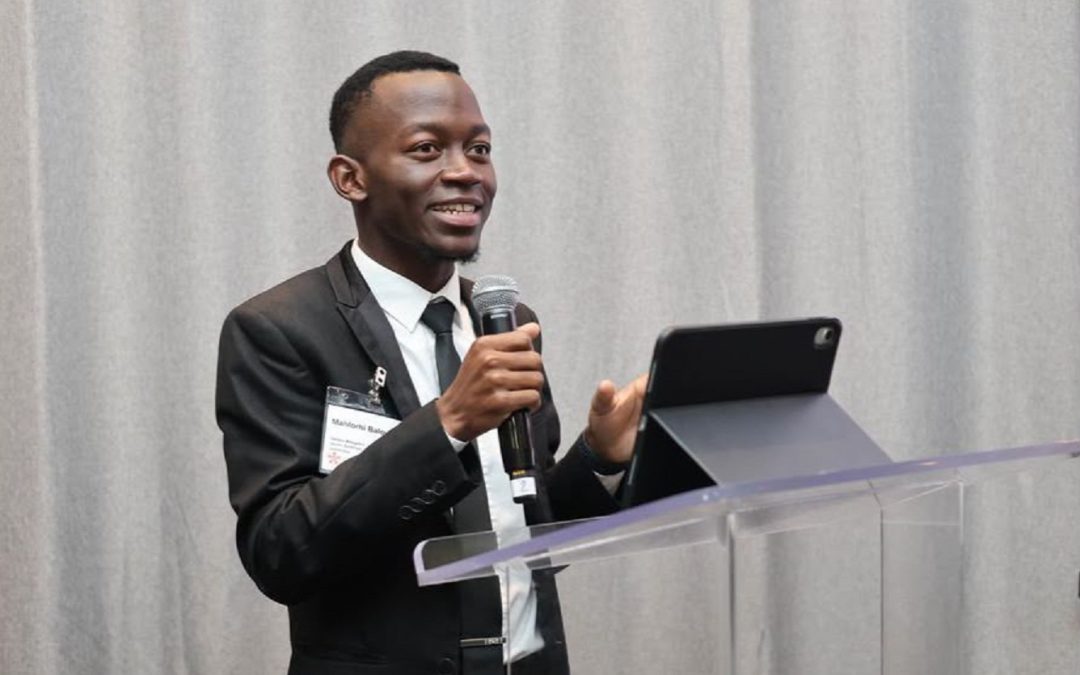
Sefako Makgatho Health Sciences University (SMU) Master of Pharmacy student Mahlorhi Baloyi has earned national recognition after representing the University with distinction at the prestigious Siyaphumelela 2026 Conference, recently held at the Birchwood Hotel and OR Tambo Conference Centre in Boksburg.
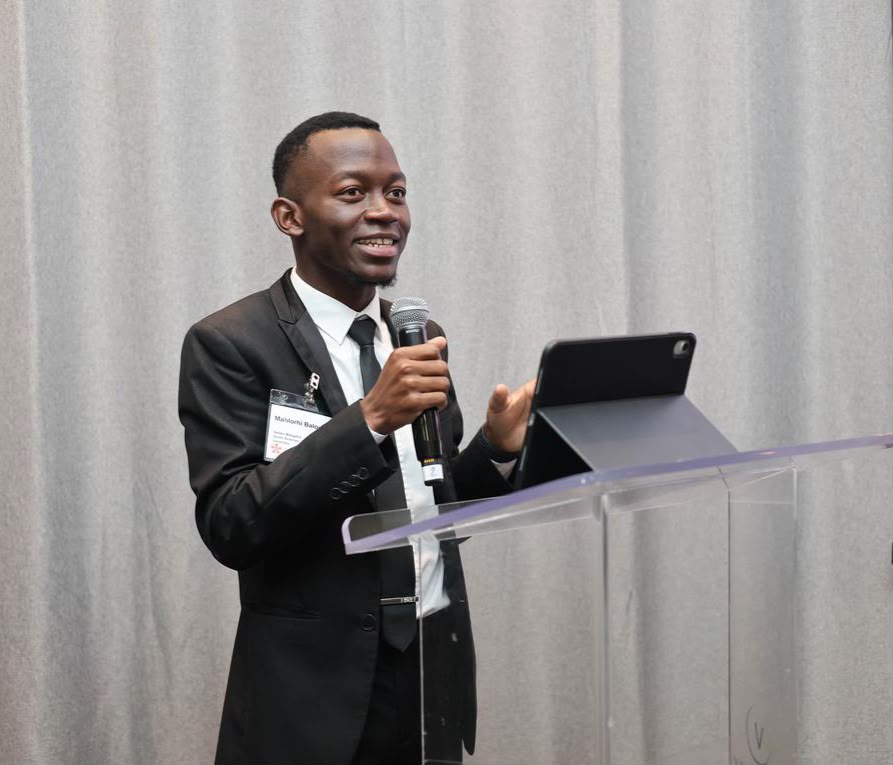 Hosted under the theme, “Reimagining Student Success and Expanding Opportunity for All,” the conference brought together more than 500 delegates, including university executives, academics, researchers, policymakers, student success practitioners and development partners to share evidence-based strategies that strengthen student success and institutional transformation across South Africa’s higher education sector.
Baloyi was selected to deliver a 30-minute Evidence-Based Sharing presentation titled “Problem-Based Learning in Health Sciences for Student Success and Equity.” His presentation was accepted through a rigorous peer-review process in which more than 200 proposals were submitted nationally, with only about 100 selected for the conference programme.
His presentation demonstrated how Problem-Based Learning can strengthen critical thinking, collaborative learning, student engagement and academic success in health sciences education. It further highlighted how innovative teaching approaches can create more equitable learning environments while preparing future healthcare professionals to address increasingly complex health challenges.
In recognition of his contribution, Baloyi received a Speaker Recognition Badge for contributing to the national dialogue on student success.
His impact extended beyond the presentation room. Throughout the conference, he actively participated in plenary discussions, workshops, networking sessions and collaborative learning activities. His exceptional engagement earned him the Number One position on the Siyaphumelela Leadership Board, recognising his active participation and leadership throughout the conference.
The conference also provided opportunities to engage with distinguished scholars, university leaders, policymakers and student success practitioners from institutions across the country. These interactions fostered valuable professional networks and laid the foundation for future collaborations aimed at strengthening teaching, learning and student success.
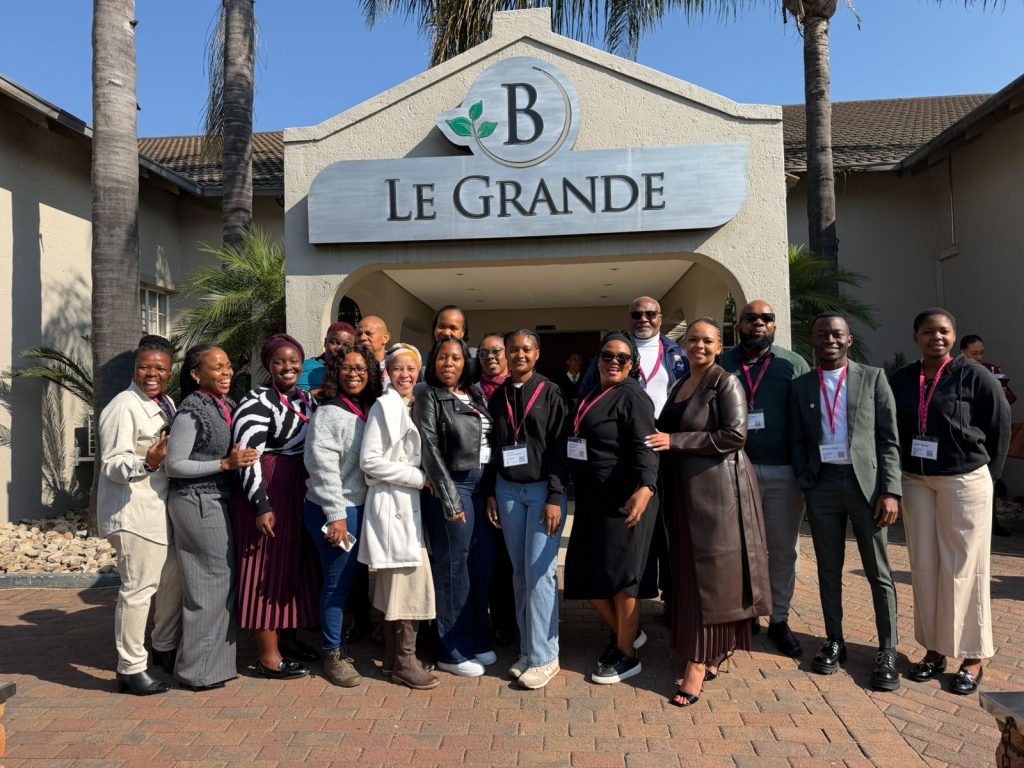 SMU also received institutional recognition during the conference for the successful administration of the Institutional Capacity Assessment Tool (ICAT), reflecting the University’s commitment to strengthening institutional capacity and embedding evidence-based initiatives that enhance student success.
Reflecting on the experience, Baloyi said, “The Siyaphumelela Conference was an inspiring platform that brought together individuals who are passionate about transforming higher education. Presenting my research while learning from leading experts across the country reinforced my belief that student success is achieved through collaboration, innovation, evidence-based practice and listening to the student voice. The meaningful conversations and professional connections established during the conference have inspired me to continue contributing towards strengthening health sciences education and advancing SDG 4: Quality Education.”
Baloyi expressed appreciation to Dr Joshua Maliavusa and the sponsorship for enabling him to attend and present at the conference. He also thanked everyone who supported and encouraged him throughout the event.
Baloyi’s achievements reflect the calibre of SMU’s postgraduate students and the University’s commitment to academic excellence, research, leadership and innovation. By showcasing his research, contributing to national discussions on student success and building meaningful collaborations, he has further strengthened SMU’s reputation as a leading institution in health sciences education while demonstrating the transformative impact of postgraduate scholarship.
This version follows a professional media style suitable for publication on a university website, in newspapers, and for distribution as a press release. It prioritises the news, reduces repetition, improves flow, and concludes with a strong institutional significance statement.
By Tumelo Moila