by Lorato | Jul 2, 2026 | Accolades and Achievements, All News, Alumni, SMU Media, Student Media
Groundbreaking research by Sefako Makgatho Health Sciences University (SMU) exploring the role of exercise in supporting recovery from Nyaope addiction has earned continental recognition after being showcased at the prestigious World Physiotherapy Africa Region Congress 2026 in Kigali, Rwanda.
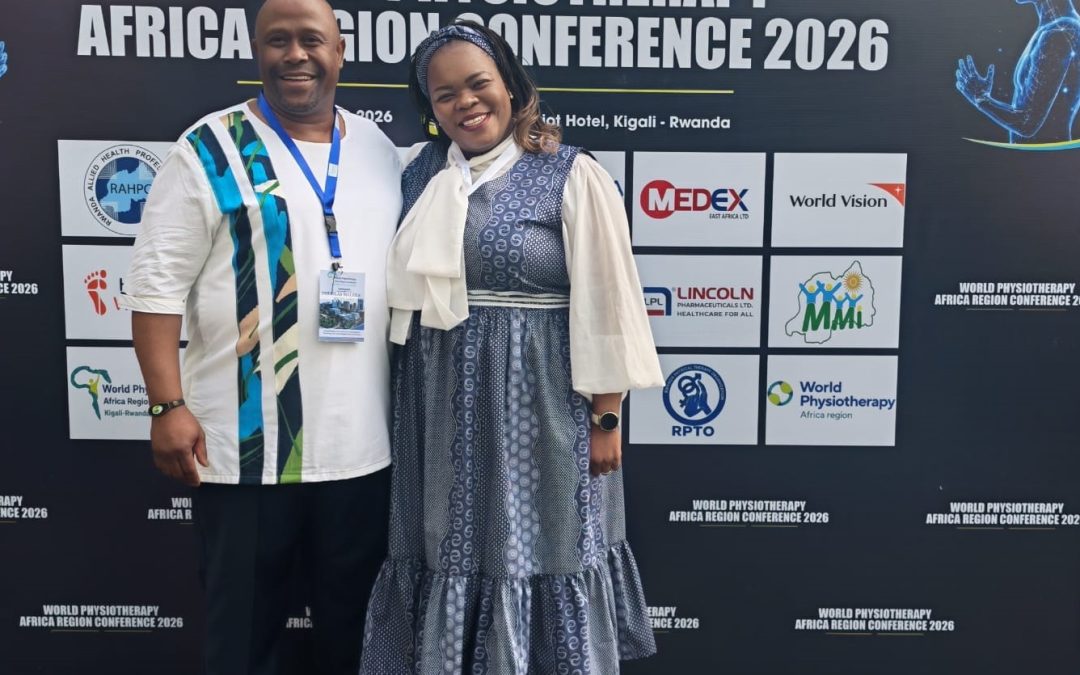
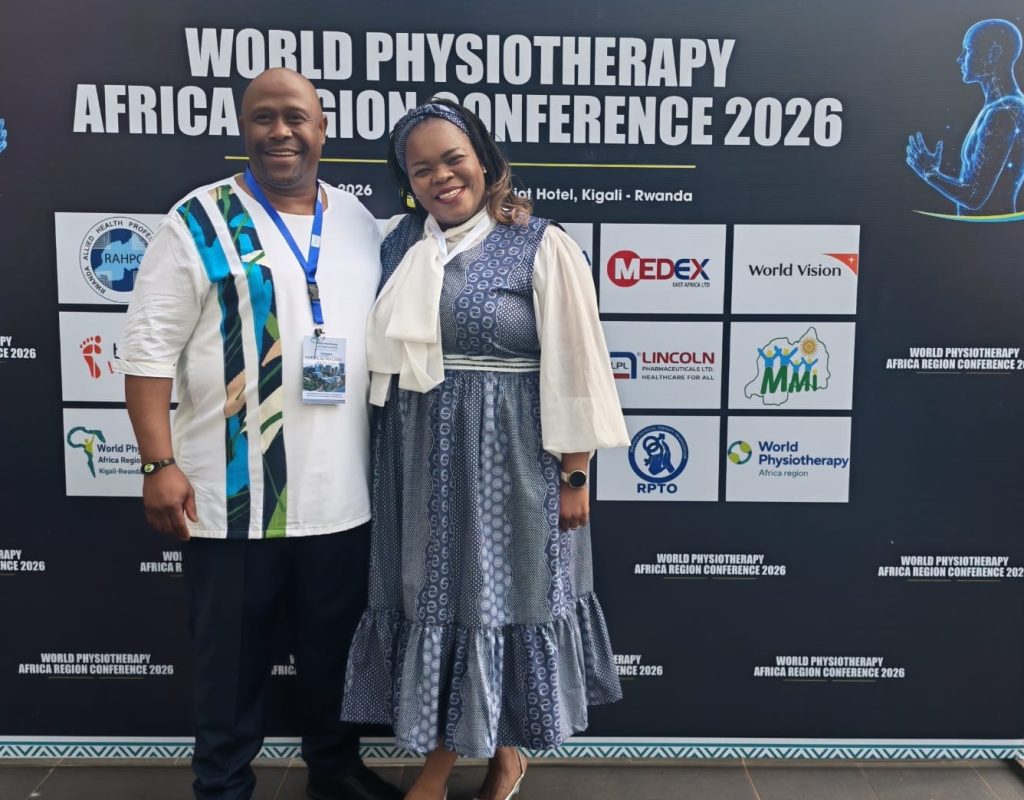 SMU Physiotherapy Lecturer Moitheki Evah Molapisi represented both the University and South Africa at the biennial congress, held recently, where she presented her research poster titled, From Addiction to Action: Restoring Physical Function in Nyaope Recovery through Exercise. She was accompanied by Professor Douglas Maleka, Dean of the School of Healthcare Sciences at SMU and her doctoral research supervisor.
The congress brought together physiotherapists, researchers, clinicians, educators, policymakers and healthcare leaders from across Africa to share knowledge, showcase innovative research and strengthen collaboration aimed at improving rehabilitation services throughout the continent.
Molapisi’s study addresses one of South Africa’s most pressing public health challenges by investigating how structured exercise programmes can enhance the physical functioning, mental well-being and overall quality of life of individuals recovering from Nyaope addiction. Her findings demonstrate that physiotherapy can play a vital role alongside conventional medical treatment and psychosocial support in promoting holistic recovery.
The research found that appropriately designed exercise interventions can significantly improve cardiovascular endurance, muscular strength, functional capacity and social participation, helping individuals rebuild their health, confidence and independence after addiction.
Reflecting on the opportunity to present her work on an international platform, Molapisi described the experience as both professionally rewarding and personally meaningful.
“Representing Sefako Makgatho Health Sciences University and South Africa at the World Physiotherapy Africa Region Congress was both an honour and a privilege. Sharing research that addresses one of our country’s most complex health challenges allowed me to demonstrate how physiotherapy can contribute meaningfully to addiction recovery. It was encouraging to see strong interest from delegates across Africa who recognised the value of exercise as an evidence-based intervention that complements existing rehabilitation programmes.”
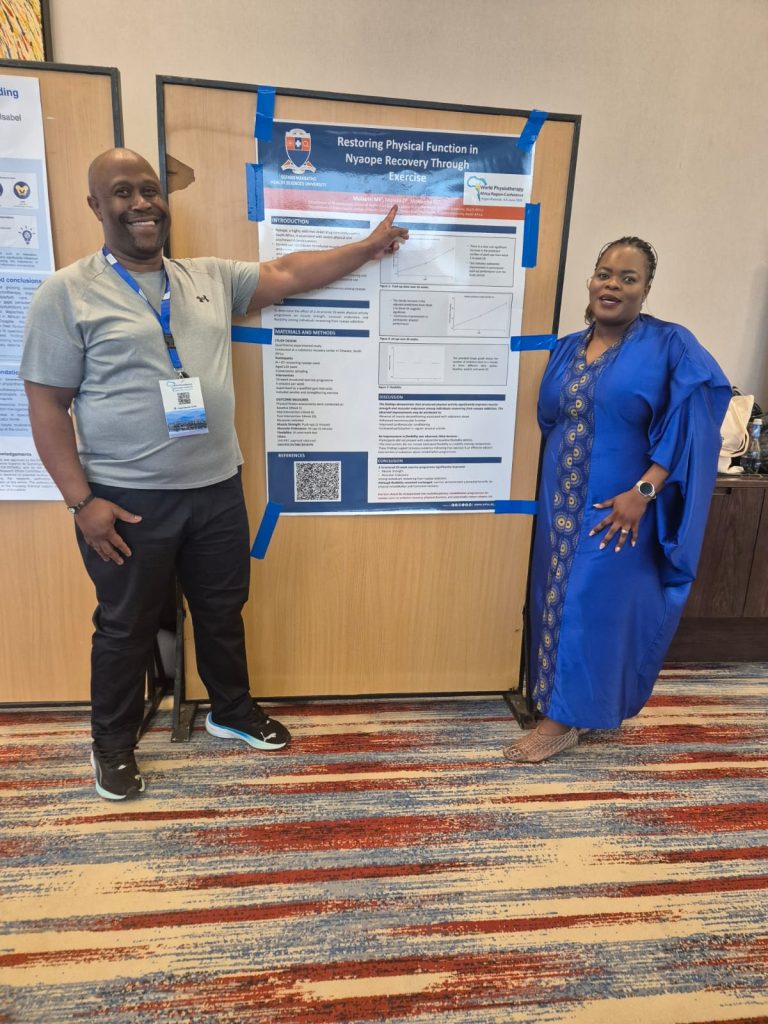 Her presentation generated significant interest among delegates and sparked discussions on the importance of multidisciplinary approaches to addiction rehabilitation. Participants emphasised the growing need to integrate physiotherapy into comprehensive treatment programmes that address both the physical and psychological effects of substance use disorders.
Beyond presenting her research, Molapisi participated in scientific sessions covering neurological rehabilitation, musculoskeletal care, community-based rehabilitation, digital health, leadership, education, workforce development and public health. The congress also created opportunities to engage with leading rehabilitation experts and establish research collaborations across the African continent.
Professor Douglas Maleka said the recognition reflects the quality of scholarship emerging from SMU and the University’s commitment to solving real-world healthcare challenges through impactful research.
“Ms Molapisi’s work exemplifies the type of impactful research that Sefako Makgatho Health Sciences University seeks to produce. By exploring innovative rehabilitation approaches for individuals recovering from substance use disorders, this research contributes not only to physiotherapy practice but also to broader public health interventions. We are proud to see our researchers representing South Africa on international platforms and contributing to scientific knowledge that has the potential to improve lives.”
The congress further highlighted Africa’s growing commitment to strengthening rehabilitation services, expanding research capacity and advancing evidence-based physiotherapy practice.
For Molapisi, the experience reaffirmed the importance of collaboration in addressing Africa’s healthcare priorities.
“This experience has strengthened my commitment to conducting research that translates into meaningful improvements in patient care and community health. It has also inspired future collaborations with colleagues across Africa as we continue exploring innovative rehabilitation strategies for vulnerable populations. Together, we can transform lives by moving people from addiction to action through the power of physiotherapy.”
The presentation further strengthens SMU’s international research profile and underscores the University’s commitment to advancing rehabilitation science, fostering innovation and improving health outcomes for communities in South Africa and across the African continent.
By Dimakatso Modise
by Lorato | Jun 30, 2026 | Accolades and Achievements, All News, Alumni, SMU Media, Student Media
Sefako Makgatho Health Sciences University (SMU) has earned global recognition for its contribution to advancing health and education after being ranked among the world’s Top 200 universities for Good Health and Well-being and Quality Education in the 2026 Times Higher Education (THE) Sustainability Impact Rankings.
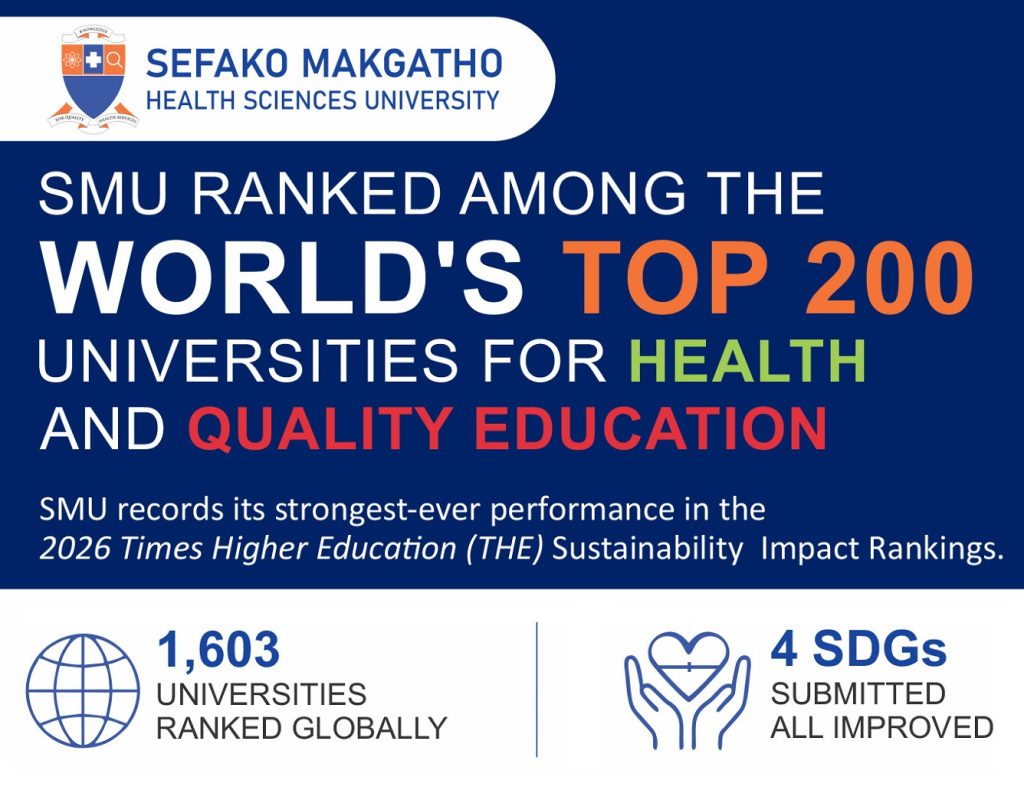 Released on 24 June 2026, the latest rankings mark SMU’s strongest performance to date and affirm its growing global impact in health sciences education and sustainable development. The achievement underscores the university’s rising international reputation for producing healthcare professionals, expanding access to quality education and creating meaningful impact in communities across South Africa and beyond.
SMU also improved its overall global position, advancing from the 1001–1500 band in 2025 to the 801–1000 band in 2026, with every Sustainable Development Goal (SDG) ranked recording an improvement over the previous reporting cycle.
Acting Vice-Chancellor and Principal, Professor Dini Mawela, says the rankings affirm SMU’s commitment to improving lives through health sciences education, research and community impact. “This recognition is an affirmation that our work is making a meaningful difference in society. As a specialised health sciences university, our purpose has always been to educate healthcare professionals, generate knowledge that addresses real-world challenges, and contribute to healthier, more equitable communities.”
Mawela adds: “Being recognised among the world’s Top 200 universities for Good Health and Well-being and Quality Education demonstrates that the impact of our staff, students, researchers, clinicians and partners extends far beyond our campuses. It reflects the collective commitment of the entire SMU community to excellence, innovation and service.”
The THE Sustainability Impact Rankings measure how universities contribute to the United Nations Sustainable Development Goals (SDGs) through teaching, research, stewardship and community engagement. For a specialised health sciences university established just over a decade ago, SMU’s performance demonstrates that focused excellence can compete on the global stage.
The university’s strongest performance was recorded in SDG 3: Good Health and Well-being, recognising its contribution to strengthening healthcare systems through the education of doctors, nurses, pharmacists, dentists and allied health professionals. SMU also achieved a Top 200 global ranking for SDG 4: Quality Education, reflecting its commitment to widening educational access, developing future educators within the health professions and promoting lifelong learning.
 Beyond these milestone achievements, SMU improved across all four SDGs ranked, including Decent Work and Economic Growth (SDG 8) and Partnerships for the Goals (SDG 17), while increasing its overall score to 59.7 out of 100—its highest Sustainability Impact Rating to date.
Dr Carlien Jooste, Director: Internationalisation, says the rankings provide more than international recognition. “The THE Sustainability Rankings provide SMU with a valuable global benchmark that helps us measure our progress, identify areas for improvement, and strengthen our commitment to academic excellence and growth. The process encourages continuous reflection and innovation, ultimately helping us deliver a better experience for our students, staff and broader community.”
The achievement reflects SMU’s sustained investment in producing highly skilled healthcare professionals, advancing research that addresses national and global health priorities, strengthening partnerships and expanding educational opportunities that improve lives. It also reinforces the university’s vision of becoming a leading African health sciences university distinguished by excellence in teaching, research, innovation and community engagement.
Acting Director: Advancement and Communications, Tshimangadzo Mphaphuli, says the results provide an important opportunity to strengthen the University’s international reputation. “Independent global rankings provide credible evidence of institutional excellence. These results tell a powerful story of improved performance and a university whose impact is increasingly being recognised on the international stage,” she explains.
“For our students, alumni, staff, partners and prospective students, this achievement reinforces confidence that SMU is delivering education and research that matters globally while remaining deeply committed to addressing South Africa’s healthcare priorities. It is a story of purpose, progress and growing international recognition,” adds Mphaphuli.
As the world increasingly looks to universities to address society’s most pressing challenges, SMU’s latest global recognition affirms that its greatest contribution is not simply its ranking, but the lives it changes. From educating the next generation of healthcare professionals to advancing research that transforms communities, SMU continues to demonstrate that purpose-driven excellence can achieve global impact.
by Lorato | Jun 25, 2026 | All News, Alumni, SMU Media, Student Media
On Wednesday, 24 June 2026, the Sefako Makgatho Health Sciences University (SMU) community, joined by leaders from higher education, government, the health sector, and partner institutions, gathered at the SMU Sports Complex for a memorial service honouring the life and legacy of Vice-Chancellor and Principal, Professor Tandi Matsha-Erasmus. A profound sense of reflection and collective gratitude marked the occasion as mourners paid tribute to a pioneering academic leader, renowned researcher, and the University’s first female Vice-Chancellor, whose vision, leadership, and service left an enduring mark on both the institution and South Africa’s higher education landscape.
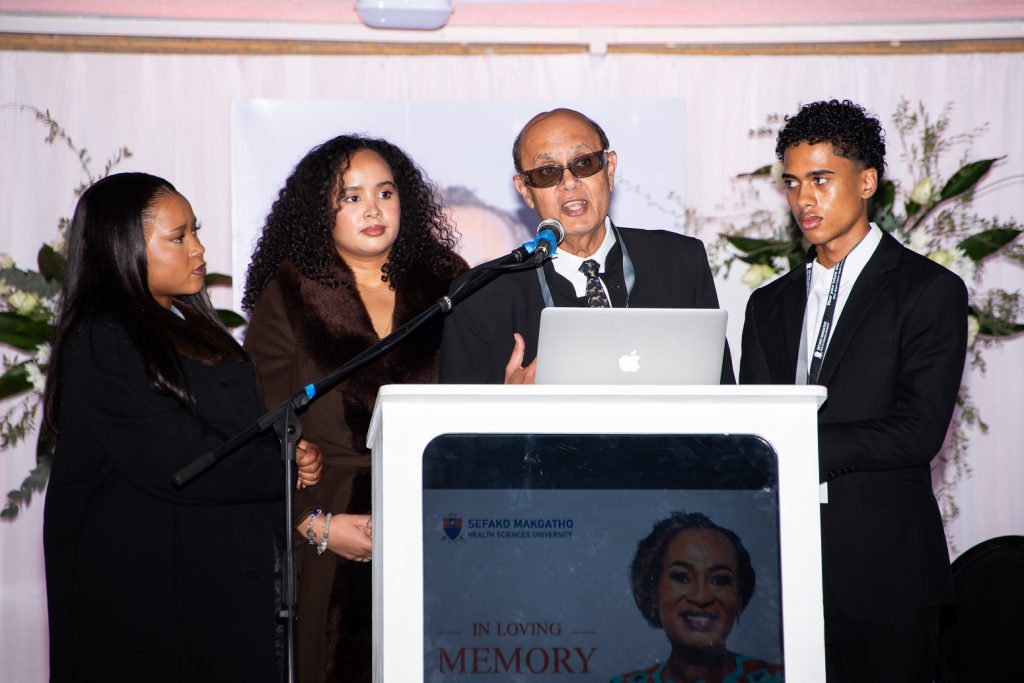 The memorial service brought together staff, students, alumni, family members, friends, and national and international stakeholders in a solemn yet celebratory atmosphere. It was a moment defined not only by grief but also by deep appreciation for a life marked by intellectual excellence, scientific contribution, and transformative leadership in higher education.
Opening the service, Acting Vice-Chancellor of SMU, Professor Dini Mawela, paid tribute to Matsha-Erasmus as a visionary leader whose impact is permanently embedded in the university’s identity and trajectory. “We are not only gathered to mourn a loss, but to honour a legacy that continues to define who we are as a university,” said Mawela.
She reflected on Matsha-Erasmus’ pivotal role in shaping SMU during its formative years, noting that her leadership provided stability, direction, and an uncompromising commitment to excellence.
“Professor Matsha-Erasmus led with conviction and quiet strength. She carried this institution with a sense of purpose that never wavered, even in the most challenging moments,” she said. Mawela emphasised that the late Vice-Chancellor set exceptional academic and institutional standards that continue to guide the university.
“She reminded us that building a university is not about structures alone, but about people, values and a shared commitment to excellence. Those standards remain our responsibility to uphold,” she added.
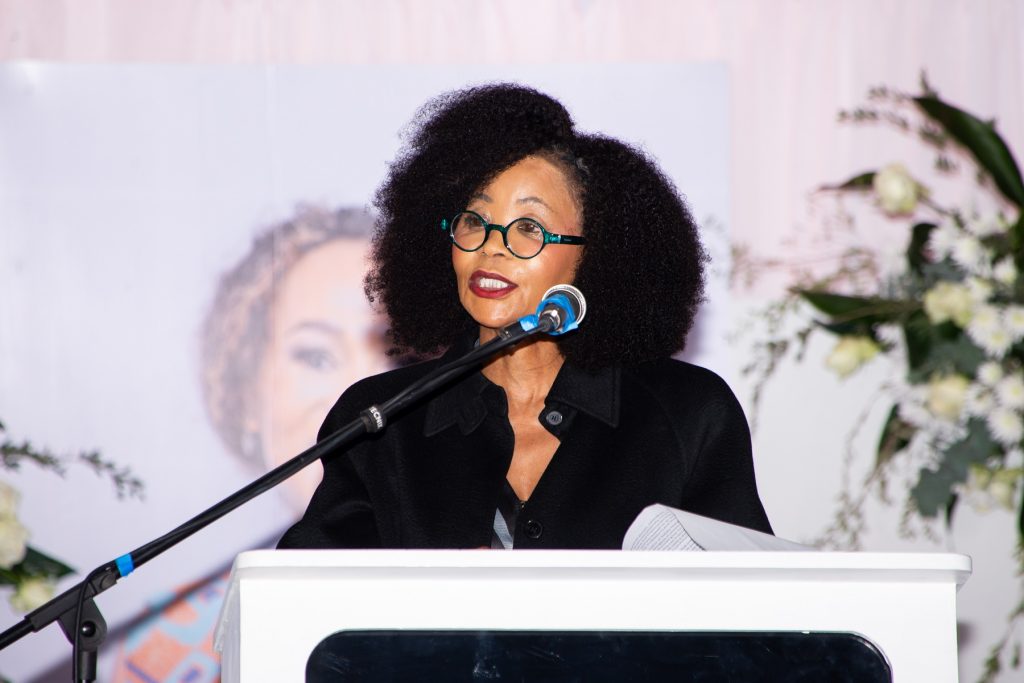 SMU Chancellor, Dr Penny Moumakwa, described her as a principled and resilient leader who ensured institutional stability while advancing a long-term vision for the university’s growth and sustainability.
The University Council acknowledged her strong governance leadership, highlighting her commitment to transformation, accountability, and institutional development. A distinguished scholar and internationally respected researcher, Matsha-Erasmus supervised and mentored more than 60 postgraduate and postdoctoral researchers, including honours, master’s, doctoral, and postdoctoral students—leaving a generational academic footprint across the health sciences field.
Her scholarly contribution was equally remarkable. She published over 180 peer-reviewed scientific papers, which have collectively received more than 43,000 citations, positioning her as a leading voice in cardiometabolic and vascular health research.
Beyond SMU, her research leadership extended across institutions. According to her husband, Emeritus Professor Rajiv Erasmus, she established the Vascular and Metabolic Health Study and the MRC Research Unit on Cardiometabolic Health at the Cape Peninsula University of Technology, strengthening South Africa’s research capacity in chronic disease and metabolic health.
Sectoral and stakeholder tributes further reflected her far-reaching influence. Universities South Africa (USAf), represented by CEO Dr Phethiwe Matutu, recognised her contribution to strengthening collaboration within the national higher education system. The University of Limpopo, represented by Vice-Chancellor Dr Jeffery Mabelebele, described her as a respected colleague whose collegial spirit strengthened institutional partnerships and advanced cross-university collaboration.
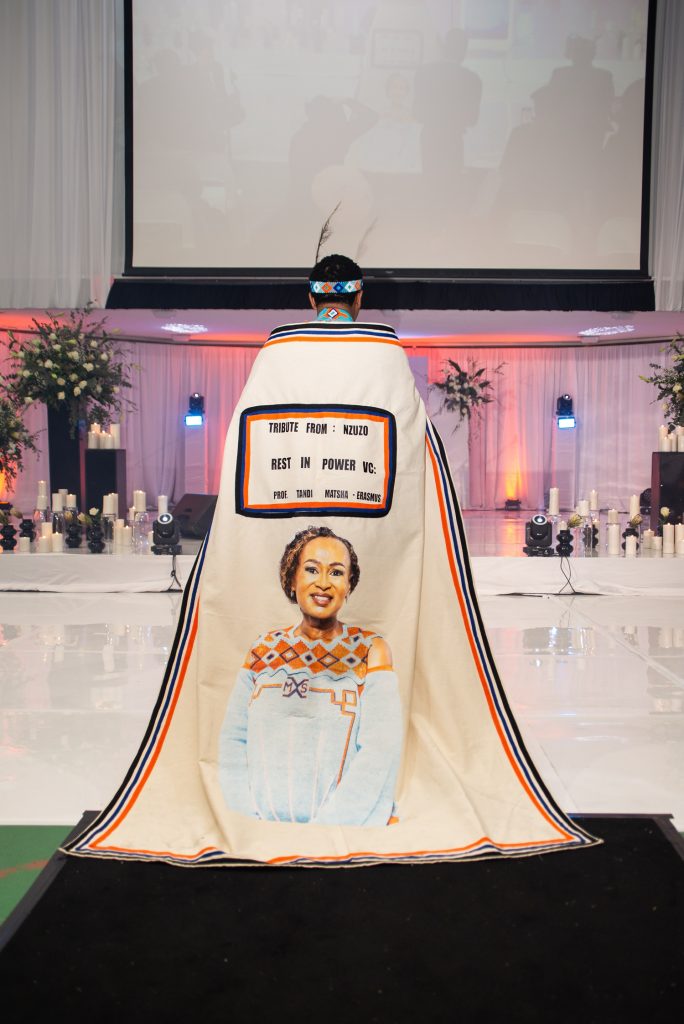 International tributes from Universidade Wutivi (UniTiva), delivered by Vice-Chancellor Dr Domingos Tivane, highlighted her role in advancing African academic cooperation. The Department of Higher Education and Training acknowledged her contribution to policy engagement and sector development.
The SMU Senate tribute, delivered by Professor Risenga Chauke, honoured her dedication to academic excellence and research advancement. The Institutional Forum, represented by Dr Abongile Bele, reflected on her inclusive leadership style and her commitment to participatory governance.
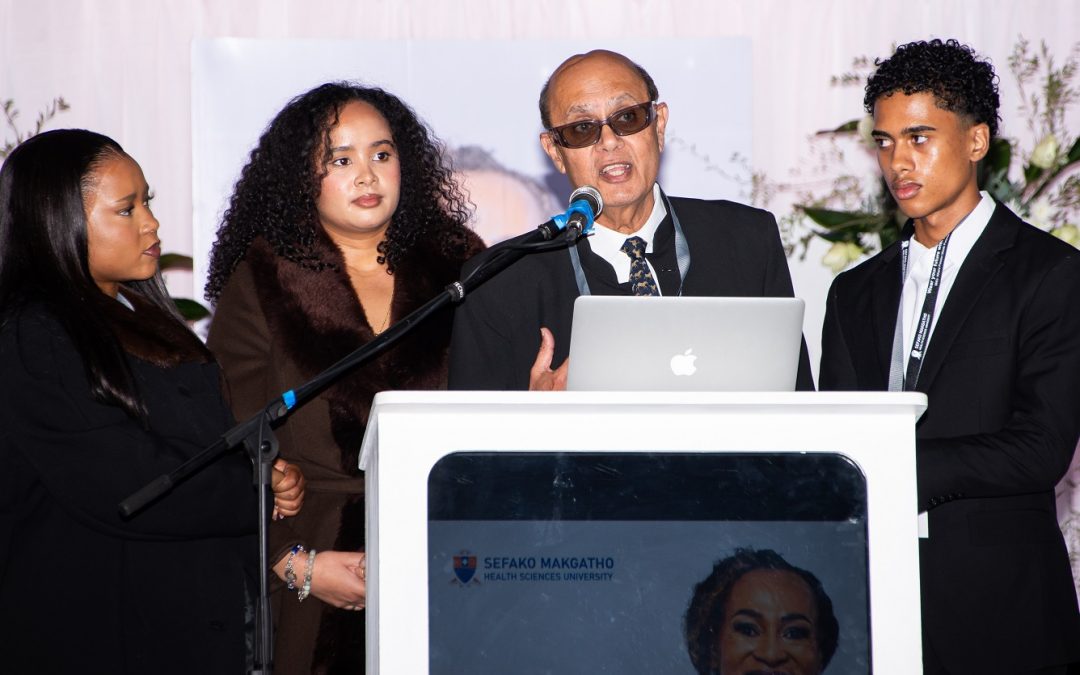
A deeply moving family tribute was delivered by Emeritus Professor Rajiv Erasmus, husband of Professor Tandi Matsha-Erasmus, who offered a personal reflection on her life beyond academia. “She was full of life,” he said, describing her as a woman of warmth, strength, humour, and deep devotion to family.
“To many, she was a Vice-Chancellor, a leader and a trailblazer. To us, she was a loving wife, mother, grandmother and the heart of our family.” His words revealed a deeply personal dimension of a leader widely admired in academia, leaving a lasting impression on all who attended.
Across all tributes, a consistent narrative emerged: the late VC was a transformational leader whose legacy is defined by both institutional impact and scientific excellence. Her contributions to research, mentorship, and higher education leadership continue to shape disciplines and institutions far beyond SMU.
As the university moves forward, her legacy remains firmly embedded in its identity, culture, and future direction. The foundations she built continue to guide SMU’s pursuit of excellence, innovation, and global relevance.
The Sefako Makgatho Health Sciences University extends its deepest gratitude to all who participated in the memorial service and to those who continue to honour her life and legacy. Professor Tandi Matsha-Erasmus leaves behind a legacy defined not only by leadership but also by knowledge, humanity, and an enduring contribution to science and society.
By Dimakatso Modise
by Lorato | Jun 20, 2026 | All News, SMU Media, Student Media
Sefako Makgatho Health Sciences University (SMU) Physiotherapy students gained invaluable practical experience at the 2026 Comrades Marathon, reinforcing the University’s commitment to academic excellence, experiential learning and community service. Through their participation in one of the world’s most prestigious ultramarathons, students applied their classroom knowledge in real-world settings while supporting athletes before and after the demanding race.
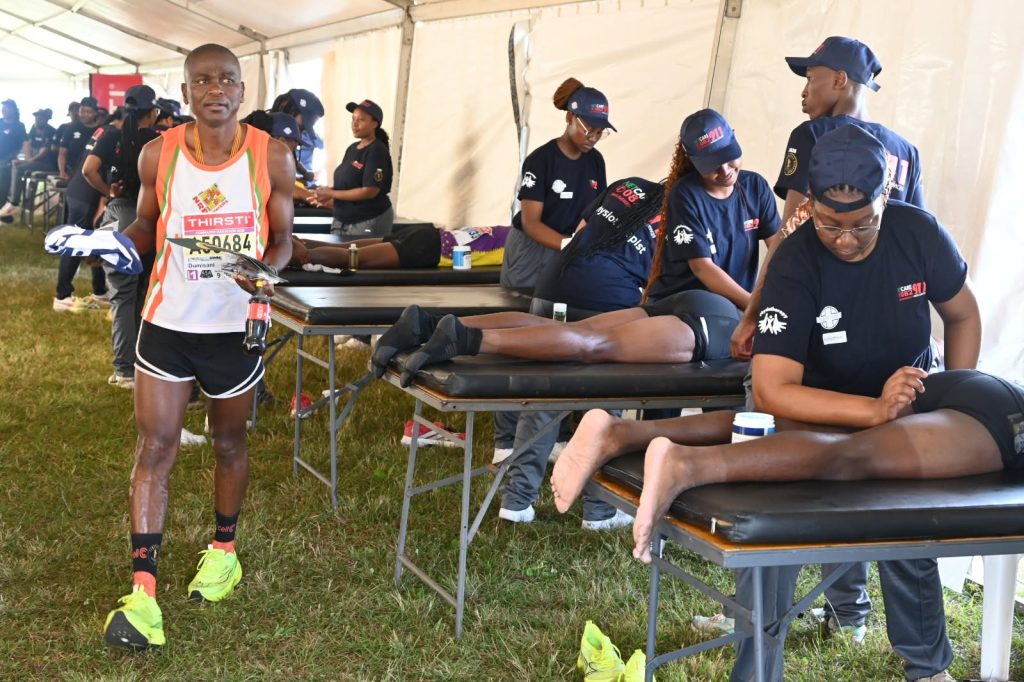 The students’ Comrades Marathon journey began at the Durban International Convention Centre (ICC), where they participated in the GEMS-sponsored pre-marathon massage station. Working alongside qualified healthcare professionals, the students assisted runners with pre-race preparation, providing massage therapy and support aimed at helping athletes perform at their best on race day.
The ICC activities formed an important part of the students’ work-integrated learning experience. By interacting with runners from diverse backgrounds and participating in a high-performance sporting environment, students gained valuable exposure to sports physiotherapy and athlete care. The experience also offered an opportunity to explore Durban and engage with the vibrant atmosphere surrounding the iconic event.
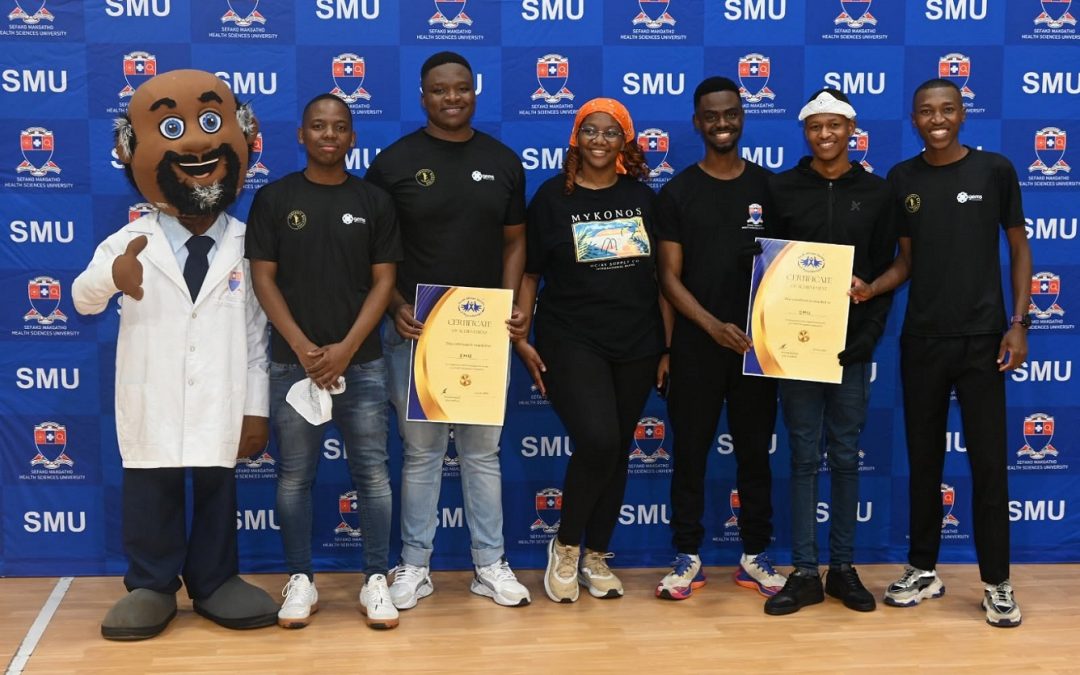
Adding to an already memorable experience, SMU students excelled in the South African Society of Physiotherapists (SASP) student competition. Their teamwork, professionalism and enthusiasm earned them an impressive third-place overall finish, while they also secured first place in the Spirit Award category. The achievement reflected the dedication and excellence that continue to distinguish the SMU Physiotherapy community.
Fourth-year Physiotherapy class representative Lebogang Mahlangu said the experience had a lasting impact on the student cohort.
“The trip was an incredible experience for our class. We had the opportunity to learn, gain practical exposure and work alongside professionals in a real sporting environment. Winning third place overall and receiving the Spirit Award at the SASP student competition made the experience even more special. The achievement boosted our confidence and brought the class even closer together. We are proud to have represented SMU and grateful for the opportunity to be part of such a prestigious event.”
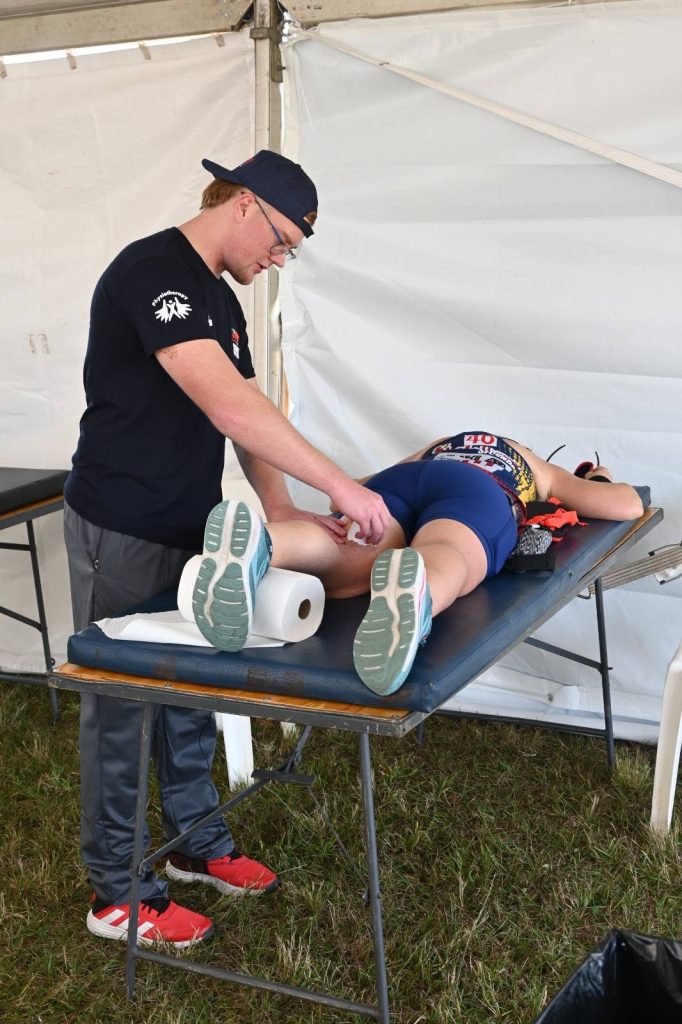 Race day marked the culmination of months of preparation and learning. From the early hours of the morning, SMU Physiotherapy students were stationed at the rub tent at the Hollywoodbets Scottsville Racecourse in Pietermaritzburg, where they provided post-race physiotherapy support to runners crossing the finish line. Working tirelessly alongside healthcare professionals, students assisted with recovery interventions and athlete care as participants completed the gruelling ultramarathon.
According to SMU Physiotherapy lecturer Karabo Raphokoane, the event provides a unique learning platform for future healthcare professionals.
“The Comrades Marathon allows students to experience the realities of physiotherapy in a major sporting event. It gives them exposure to athlete care, professional teamwork and the demands of working in a high-performance environment.”
Fellow lecturer Ntombenkosi Sobantu highlighted the value of experiential learning in preparing students for professional practice.
“Experiential learning opportunities such as the Comrades Marathon bridge the gap between theory and practice. Students gain confidence, develop clinical skills and learn the importance of teamwork while contributing to athlete wellbeing.”
The experience also contributed to a research initiative led by SMU Physiotherapy lecturer Moitheki Evah Molapisi, which seeks to evaluate the role and impact of SMU Physiotherapy students at the Comrades Marathon and assess the benefits of their involvement for both students and runners. In addition, the successful completion of the race by Mr Alfred Matlhasedi Makgato, SMU’s Acting Director: Built Environment, inspired students and staff through his demonstration of determination and resilience.
More than a sporting event, the 2026 Comrades Marathon served as a platform for learning, service, research and achievement. Through initiatives such as these, SMU continues to advance its mission of transforming health services through excellence, innovation and hands-on training, while producing healthcare professionals equipped to make a meaningful impact in communities across South Africa and beyond.
By Dimakatso Modise
by Lorato | Jun 11, 2026 | All News, Alumni, Research, SMU Media, Student Media
The School of Medicine at Sefako Makgatho Health Sciences University (SMU) continues to cement its position as a leading centre for medical education, healthcare training and interdisciplinary research, with a growing number of doctoral graduates contributing innovative solutions to some of South Africa’s most pressing health challenges.
 Comprising 39 academic and clinical departments, the School of Medicine plays a pivotal role in developing healthcare professionals, advancing scientific knowledge and addressing complex healthcare needs across South Africa and the African continent. Its strength lies in its ability to integrate expertise across disciplines and collaborate across the University’s five Schools, creating an environment where teaching, research and clinical practice intersect to drive meaningful impact.
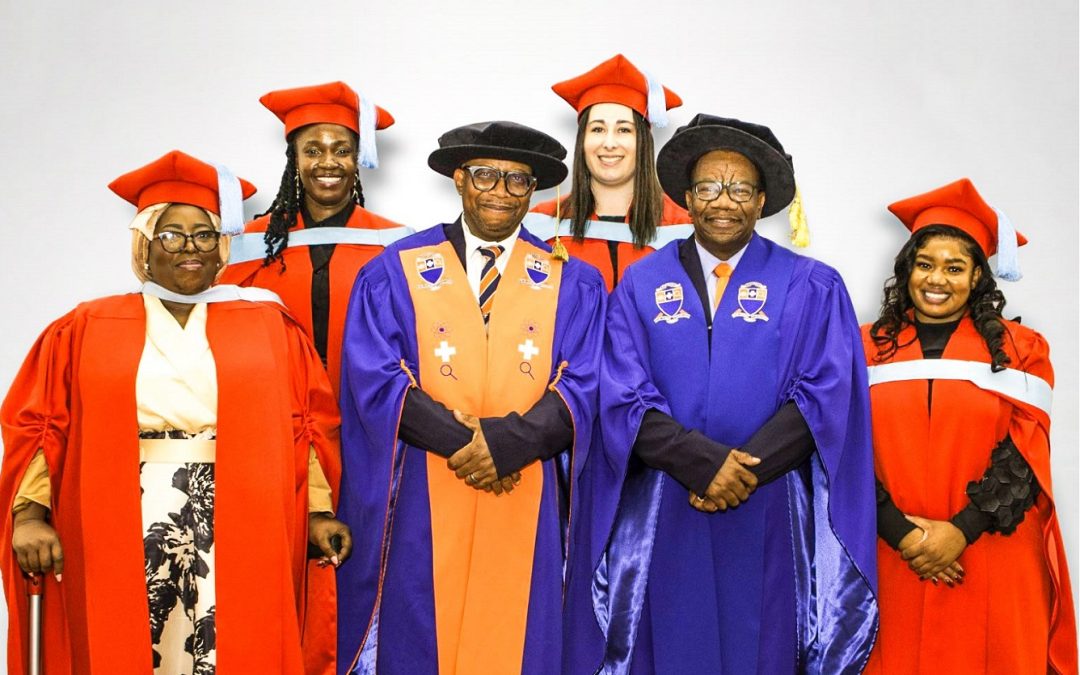
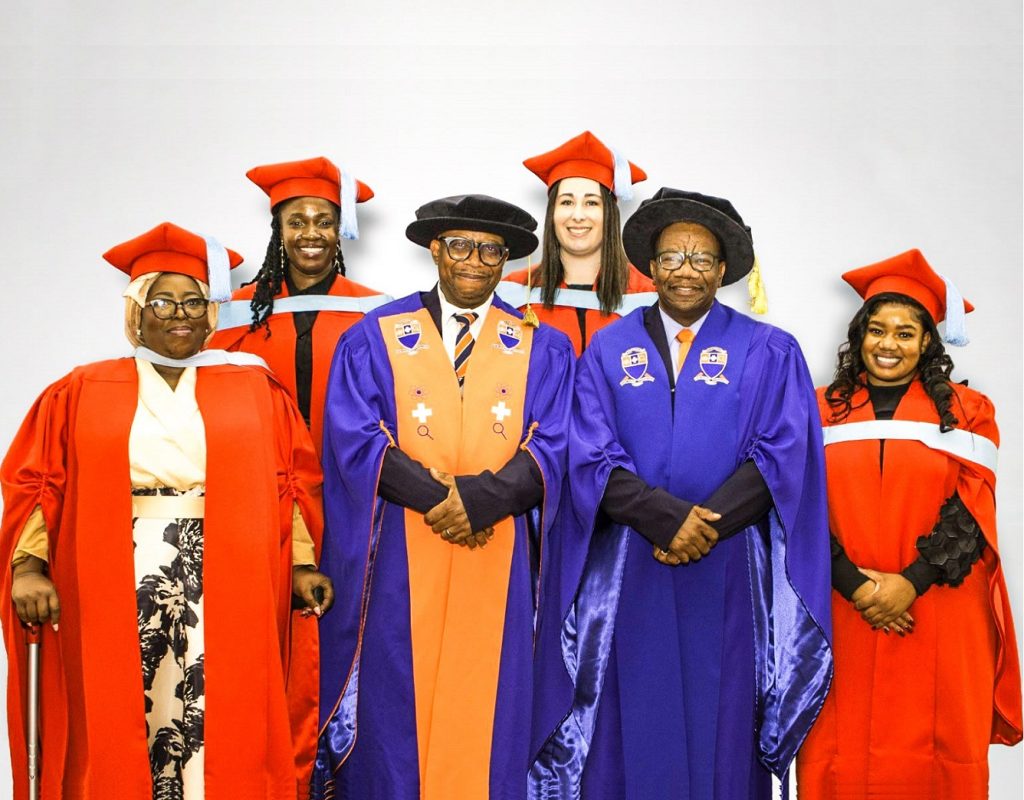
A significant milestone was achieved recently when five PhD candidates graduated from the School of Medicine, reflecting the institution’s expanding research capacity and commitment to developing highly skilled researchers. The growing number of staff members holding doctoral qualifications further aligns with SMU’s vision of transforming health services through excellence and innovation while strengthening the University’s research profile and academic standing.
“The growth in doctoral graduates demonstrates the School of Medicine’s commitment to producing research that is scientifically rigorous, socially relevant and capable of addressing real-world healthcare challenges,” said a School representative. “Our research agenda is increasingly interdisciplinary, collaborative and focused on improving health outcomes for the communities we serve.”
Among the departments contributing significantly to this success is the Anatomy and Histology Department, which provides foundational anatomical and histological training across numerous health sciences programmes while supporting interdisciplinary research in medical imaging, forensic sciences, dentistry, orthopaedics and biomedical sciences.
Recent doctoral achievements emerging from the Department highlight the breadth and relevance of research being undertaken within the School. Dr Vaughan Perry, who graduated in September 2025, investigated the combined effects of diabetes, chronic alcohol use and antiretroviral therapy on rat bone structure. His findings contribute to a deeper understanding of chronic disease and skeletal health, offering valuable insights into conditions that remain highly prevalent within South African healthcare settings.
Graduating on 13 May 2026, Dr Ruth Kobedi explored cephalometric variation in Black South African adults using conventional lateral cephalograms and cone-beam computed tomography. Her research established population-specific craniofacial standards that can improve orthodontic diagnosis, treatment planning and forensic identification.
“This study demonstrates the importance of developing locally relevant scientific data that reflects the diversity of South African populations,” said Dr Kobedi. “Such research has the potential to improve both healthcare delivery and forensic practice while strengthening collaboration across disciplines.”
Further showcasing the School’s research innovation, Daniële Kristen is set to graduate later this year following her investigation into knee joint morphology in South African populations using computed tomography and geometric morphometric analyses. Her work established population-specific standards with applications in forensic anthropology and orthopaedic implant development, creating opportunities for the future design of anatomically compatible implants tailored to local populations.
These achievements reflect the School of Medicine’s growing stature as a hub of academic excellence, research innovation and postgraduate development. Through interdisciplinary collaboration, impactful research and a commitment to addressing local healthcare needs, SMU continues to advance scientific knowledge while developing the next generation of health professionals and researchers. As the University pursues its vision of transforming health services through excellence and innovation, its contributions to education, research and healthcare remain central to improving lives across South Africa and beyond.
By Tumelo Moila
by Lorato | Jun 11, 2026 | All News, Alumni, SMU Media, Student Media
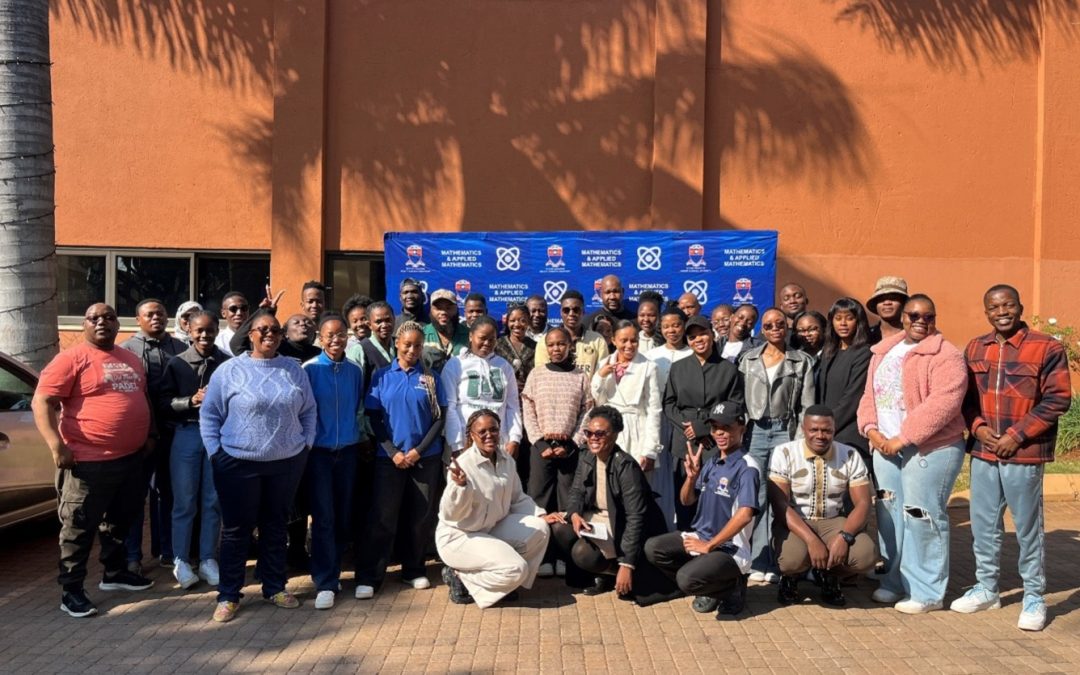
Sefako Makgatho Health Sciences University (SMU) reaffirmed its commitment to research excellence and innovation when its Department of Mathematics and Applied Mathematics hosted the “Optimal Control and Optimisation: Theory, Algorithms and Applications” research workshop recently at the Batter Boys Boutique Hotel in Pretoria. Supported by the DSTI-NRF Centre of Excellence in Mathematical and Statistical Sciences (CoE-MaSS), the workshop brought together postgraduate students, postdoctoral researchers, academics, and industry stakeholders to explore cutting-edge developments in mathematical sciences and their applications to real-world challenges.
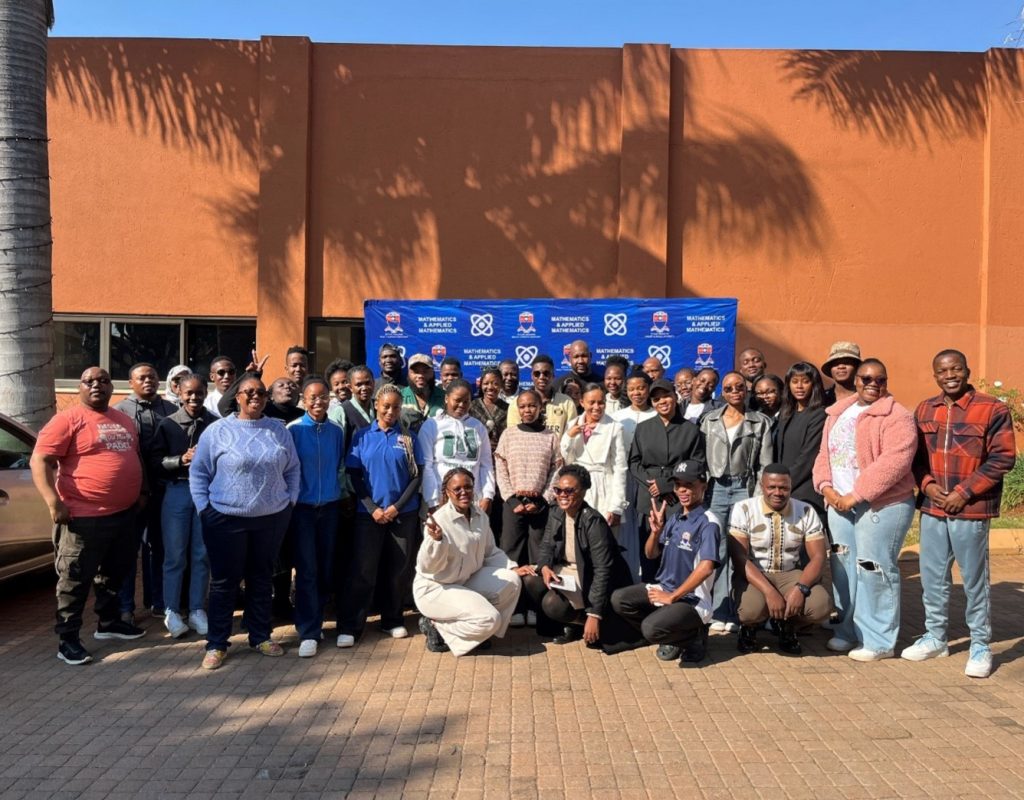 Opening the event, Professor Maggie Aphane, Head of the Department of Mathematics and Applied Mathematics, welcomed delegates and emphasised the importance of research collaboration, innovation, and academic excellence in advancing mathematical knowledge and its societal impact.
The first day focused on postgraduate research, providing emerging scholars with a platform to present their work and engage with experts in the field. The keynote address was delivered by Dr Simo Mthethwa, who presented a lecture titled The Lattice of Ideals and its Applications to Topology. His presentation introduced participants to key concepts in lattice theory and demonstrated their relevance to topology and broader mathematical thinking.
Highlighting the importance of linking theory to practice, Dr Mthethwa remarked: “If you define a mathematical concept and you cannot give an example, it does not exist.” His message resonated strongly with participants, reinforcing the value of applying abstract mathematical concepts to practical problems.
Research presentations covered a diverse range of topics, including optimisation theory, fixed-point theory, numerical analysis, mathematical finance, and machine learning. Presenters included Koketso Malebana, Malose Jim Mokonyama, Lerato Zelda Riba, Mbali Precious Phama, and Tumelo Fortunate Maloka, whose work reflected the breadth and growing impact of mathematical research within the department. Robust discussions following each presentation created opportunities for critical engagement, scholarly feedback, and professional development.
The second day shifted focus towards advanced research seminars and interdisciplinary dialogue. Doctoral candidates and postdoctoral researchers presented studies demonstrating the expanding role of mathematics across scientific and technological disciplines. Presentations explored applications in material science, metric space theory, optimisation algorithms, image restoration, variational inequalities, and computational mathematics.
Among the featured speakers were Tumisho Kekana, who examined topological indices of β12 borophene using mathematical modelling techniques, Anele Bokodisa, who presented new developments in bipolar quasi-metric spaces, Dr Austine Efut Ofem from the Tshwane University of Technology, and Dr Olawale Kazeem Oyewole, an NRF Postdoctoral Fellow at SMU, whose presentation highlighted contemporary advances in variational inequality theory.
A major highlight of the workshop was an interactive research dialogue involving Professor Aphane, Dr Mthethwa, academic staff, and postgraduate students. Discussions addressed research funding opportunities, publication strategies, academic career pathways, and the importance of collaborative research.
Dr Mthethwa encouraged students to build strong research networks and pursue interdisciplinary partnerships. He explained that collaboration strengthens research quality, expands access to funding opportunities, and creates pathways for international engagement and professional growth.
The workshop also provided valuable guidance on teaching and learning mathematics, emphasising conceptual understanding, problem-solving, analytical thinking, and proficiency in modern computational tools. Participants were encouraged to develop advanced software skills to enhance both their research capabilities and future employability.
Most presentations aligned with the workshop theme of optimal control and optimisation, showcasing how mathematical methods continue to drive innovation in fields such as finance, machine learning, computational modelling, and operations research.
The successful workshop highlighted SMU’s growing contribution to mathematical sciences research and its commitment to developing the next generation of scholars. By creating opportunities for knowledge exchange, collaboration, and professional development, SMU continues to strengthen its position as a leading institution advancing research excellence, innovation, and societal impact in South Africa and beyond.
By Tumelo Moila