by Lorato | Nov 3, 2026 | All News, Alumni, SMU Media, Student Media
Sefako Makgatho Health Sciences University (SMU) has appointed Dr Velencia Maupye as Manager of its Transformation Office within the Human Capital and Transformation Department, reinforcing the university’s commitment to institutional transformation, diversity, inclusion and organisational development.
 In her new role, Dr Maupye will lead the development and implementation of SMU’s transformation strategy, coordinate strategic initiatives, engage executive leadership and guide transformation governance structures. She will also support the Executive Director: Human Capital and Transformation in advancing the university’s transformation objectives and translating strategic priorities into measurable outcomes.
“Transformation must be embedded in the everyday practices, policies and culture of an institution. It requires collective commitment, meaningful engagement and sustained action to create an environment in which everyone is treated with dignity and respect,” Dr Maupye said.
Dr Maupye brings extensive experience in transformation management, gender mainstreaming, employment equity, organisational culture, and change management. Her career spans higher education and government, with expertise in policy development, stakeholder engagement, change management and institutional programme implementation.
She previously served as Head of Transformation at the University of Venda, where she provided strategic leadership on GBV and femicide, employment equity, diversity initiatives, change management and organisational culture transformation. Before that, she worked at SMU as Manager: Gender-Based Violence from December 2021 to June 2024 and served as Acting Manager: Transformation from December 2023 to June 2024.
Her earlier career includes positions at the Gauteng Department of Agriculture and Rural Development, National Treasury, the Department of Correctional Services and the Department of Social Development. These roles strengthened her experience in transformation, gender-responsive planning, employee wellness, diversity management and support for vulnerable groups.
“Effective transformation depends on policies being translated into practical interventions that address institutional challenges. Listening to stakeholders, using evidence to guide decisions and holding ourselves accountable for progress are essential to achieving sustainable change,” she said.
In her new position, Dr Maupye will work with deans, heads of departments, directors and managers to strengthen transformation policies, identify organisational challenges and promote a workplace culture aligned with SMU’s vision, mission and values.
Her qualifications include a Master of Arts in Social Work from the University of the Witwatersrand, a Bachelor of Arts in Social Work from the University of Limpopo and a Postgraduate Diploma in Project Management from MANCOSA. She also holds a Prosci Certified Change Practitioner qualification, obtained in 2025, and has completed several management and strategy development programmes.
Dr Maupye’s appointment reinforces SMU’s focus on building an accountable, inclusive and high-performing institution. Through effective transformation governance, stakeholder collaboration and evidence-based interventions, the university aims to strengthen its organisational culture while supporting staff and students.
As a dedicated health sciences university committed to excellence in teaching, learning and innovative research, SMU continues to position transformation as a critical component of its institutional development and its contribution to the health and well-being of the communities it serves.
By Tumelo Moila

by Lorato | Nov 3, 2026 | All News, Alumni, SMU Media, Student Media
Sefako Makgatho Health Sciences University (SMU) is strengthening the relationship between traditional leadership, academic research, and community development by appointing Kgosana Dr Koketso Rakhudu Goodwill as a Research Associate in the Department of Public Health, School of Health Care Sciences.
 The three-year appointment marks an important step towards advancing community-centred research and strengthening partnerships between higher education institutions and traditional leadership structures. It also recognises the role of traditional leaders in supporting research-driven interventions that address public health and socioeconomic challenges.
Kgosana Dr Rakhudu, a practising Traditional Leader of Tsitsing, Kgotla Ya Rakhudu, within the Royal Bafokeng Nation, brings a combination of customary leadership experience, international exposure and expertise in public management, corporate governance and social impact. He is also a Mandela Washington Fellow, having received specialised training in Public Management and Corporate Governance at Georgia State University in the United States.
His appointment builds on his involvement in the Bafokeng Health and Demographic Surveillance System (BAMMISHO), where he serves as Deputy Chairperson. BAMMISHO is the seventh and newest research node of the South African Population Research Infrastructure Network (SAPRIN), providing an important platform for generating population-level evidence to inform health research, policy development and interventions that respond to community needs.
Reflecting on the importance of integrating traditional leadership into academic research, Kgosana Dr Rakhudu said communities should be recognised as active contributors to knowledge production, not merely recipients of research interventions.
“Traditional leadership must evolve beyond the administration of customary responsibilities to become an active instrument of social transformation. Our communities should not merely be subjects of research; they must be meaningful participants in generating knowledge, shaping interventions and determining the development pathways that affect their lives,” he said.
In his Research Associate capacity, he will contribute to research, teaching and community-based health innovation, creating opportunities to connect academic scholarship with practical community needs. His involvement is also expected to strengthen institutional partnerships and support research-informed approaches to rural healthcare challenges.
 Beyond his traditional leadership and academic responsibilities, Kgosana Dr Rakhudu serves as Chairperson of Hakem Energies, where he drives renewable energy initiatives and opportunities for small, medium and micro enterprises (SMMEs). He is also Deputy Chairperson of the North West Provincial Council on AIDS (Private Sector), contributing to partnerships that extend rural health programmes to vulnerable populations.
His expertise in Community Mineral Succession and Social Impact Environmental, Social and Governance (ESG) focuses on protecting community interests during mining ownership transfers. This includes regulatory compliance, transaction due diligence, monitoring Social and Labour Plan and Environmental Management Programme obligations, and developing sustainable community trusts and procurement structures.
“Natural resources must translate into enduring community prosperity. The true measure of responsible investment is not simply the economic value extracted, but the extent to which communities secure sustainable benefits through accountable governance, meaningful participation and enforceable commitments,” he said.
These principles inform Plan 2035, his vision for developing a self-sufficient, knowledge-driven and healthy Tsitsing. The initiative brings together land stewardship, renewable energy, healthcare, education and enterprise development, supported by transparent governance and evidence-based impact measurement.
For SMU, the appointment reinforces its commitment to excellence in teaching, learning and innovative research, while recognising the importance of meaningful community engagement in improving health and well-being.
By bringing traditional leadership and academic expertise closer together, the university is creating opportunities for research to respond more directly to community priorities and contribute to sustainable development.
By Dimakatso Modise
by Lorato | Oct 29, 2026 | Accolades and Achievements, All News, Alumni, SMU Media, Student Media
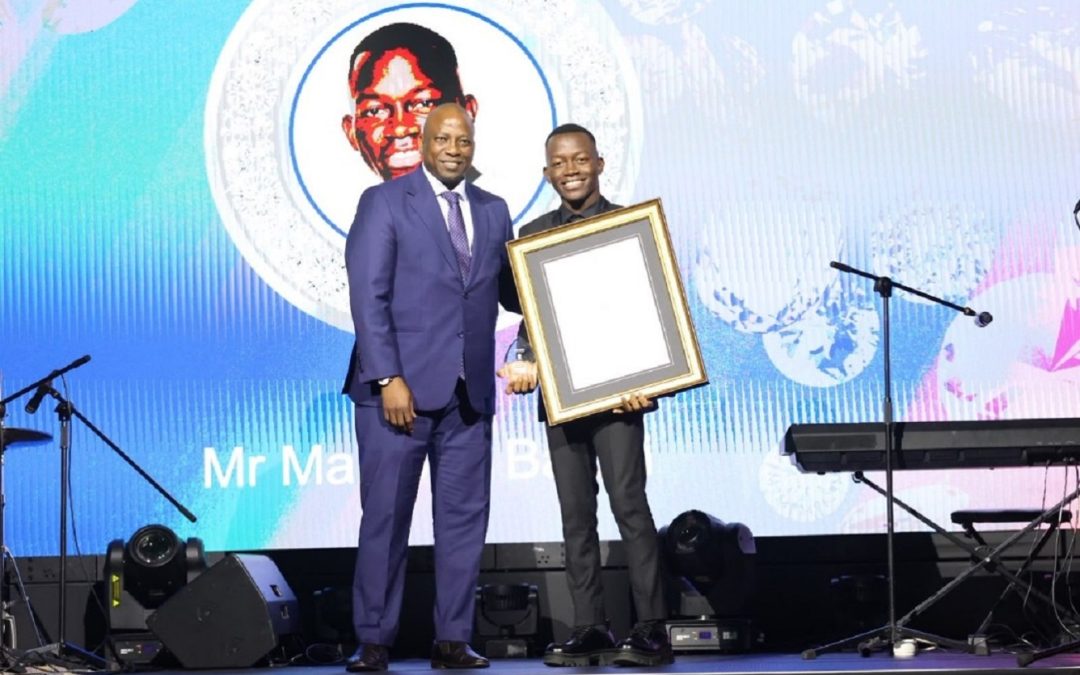
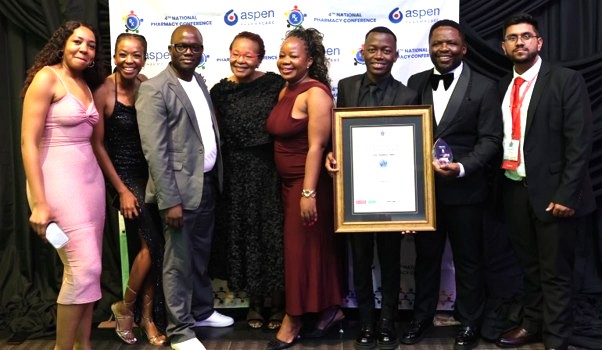
Master of Pharmacy student Mahlorhi Baloyi has earned national recognition for his contribution to pharmaceutical research and his potential to shape the future of healthcare, receiving the Merit Award in the Future Pharmacist: Young Pioneer category at the 4th National Pharmacy Conference in Durban.
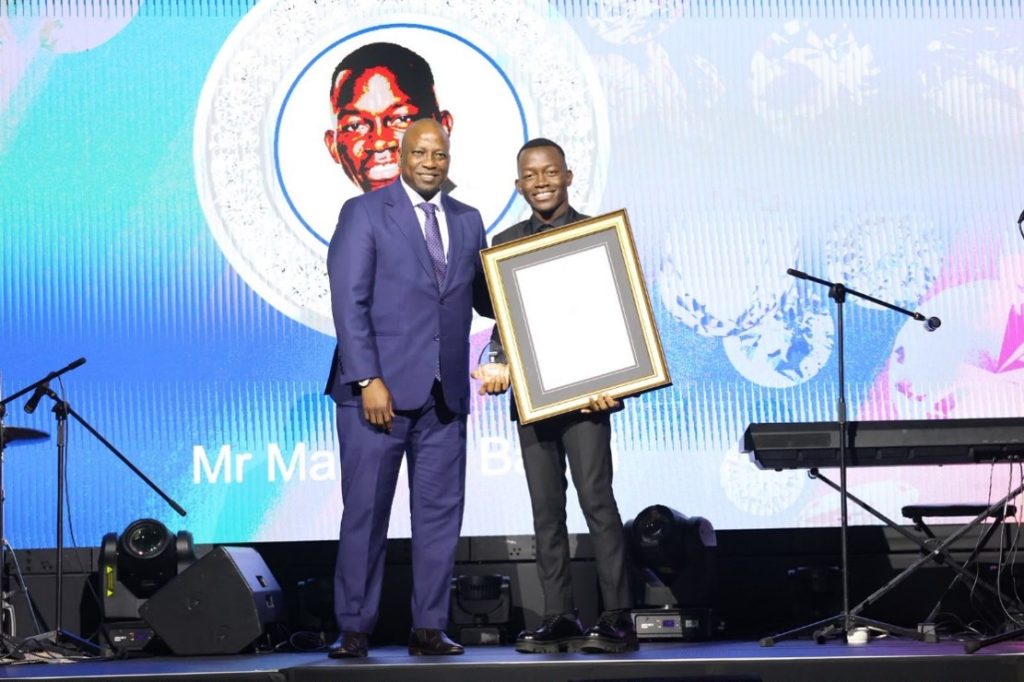 The achievement marks a significant milestone for Sefako Makgatho Health Sciences University (SMU), with Baloyi becoming the first SMU representative to receive a Young Pioneer Award of this kind. His recognition highlights the university’s commitment to developing emerging healthcare professionals who combine academic excellence, research, leadership and service to society.
Held recently at the Inkosi Albert Luthuli International Convention Centre, the conference brought together healthcare professionals and stakeholders under the theme “A Glimpse into the Future: Advancing Pharmacy Towards 2050”. The event provided a platform to recognise emerging professionals whose work and potential can advance pharmacy and strengthen South Africa’s healthcare system.
Baloyi received the award following a nomination and merit-based assessment. Presented during the National Pharmacy Pioneer Awards celebrations, the certificate and trophy recognised his potential and commitment to pharmaceutical practice, research, ethical conduct, leadership and professional service.
Reflecting on the achievement, Baloyi said: “Receiving this award is a significant milestone in my academic and professional journey. It encourages me to continue pursuing excellence in pharmaceutical research and practice while contributing meaningfully to improving healthcare delivery in South Africa.”
 The conference also emphasised the importance of maintaining high standards in pharmacy. Minister of Health Dr Pakishe Aaron Motsoaledi highlighted the need to protect the profession’s integrity and standards, reinforcing the importance of professional accountability and excellence in strengthening the health system.
Beyond receiving the award, Baloyi presented research examining the potential budgetary impact of implementing a prostate cancer treatment intervention in South Africa’s public healthcare sector. His presentation demonstrated his interest in generating evidence to inform healthcare planning, pharmaceutical budgeting, and decisions about the responsible allocation of limited resources.
“Research should not end with academic presentations or publications. It should inform decisions, support effective healthcare planning and ultimately contribute to better patient outcomes,” Baloyi said. “In a resource-constrained healthcare system, locally relevant evidence can help decision-makers assess interventions and use available resources more sustainably.”
Baloyi credited his parents for their sacrifices and unwavering support, while acknowledging the guidance of his mentors and research supervisors. He also thanked Dr George Mukhari Academic Hospital for supporting his clinical experience and SMU for providing an academic environment where he could develop his knowledge, pursue research, and grow as an emerging healthcare leader.
Looking ahead, Baloyi aims to build a career at the intersection of healthcare research, health economics, leadership and public health. He hopes to bridge the gap between research and practice, ensuring that evidence informs decisions that strengthen healthcare delivery and improve access to quality services.
He also encouraged young people to pursue excellence, seek mentorship and remain committed to learning, regardless of their circumstances or career stage. “Young people should not allow their current circumstances or the early stages of their careers to limit what they believe they can achieve. We must remain willing to learn, embrace challenges and use our knowledge and skills to make a difference in the lives of others,” he said.
Baloyi’s achievement reflects SMU’s mission to advance health services through excellence and innovation. By supporting students who pursue research, professional leadership and service, the university continues to contribute to developing healthcare professionals equipped to address South Africa’s health challenges and help shape the future of the profession.
By Tumelo Moila
by Lorato | Oct 29, 2026 | Accolades and Achievements, All News, Alumni, SMU Media, Student Media
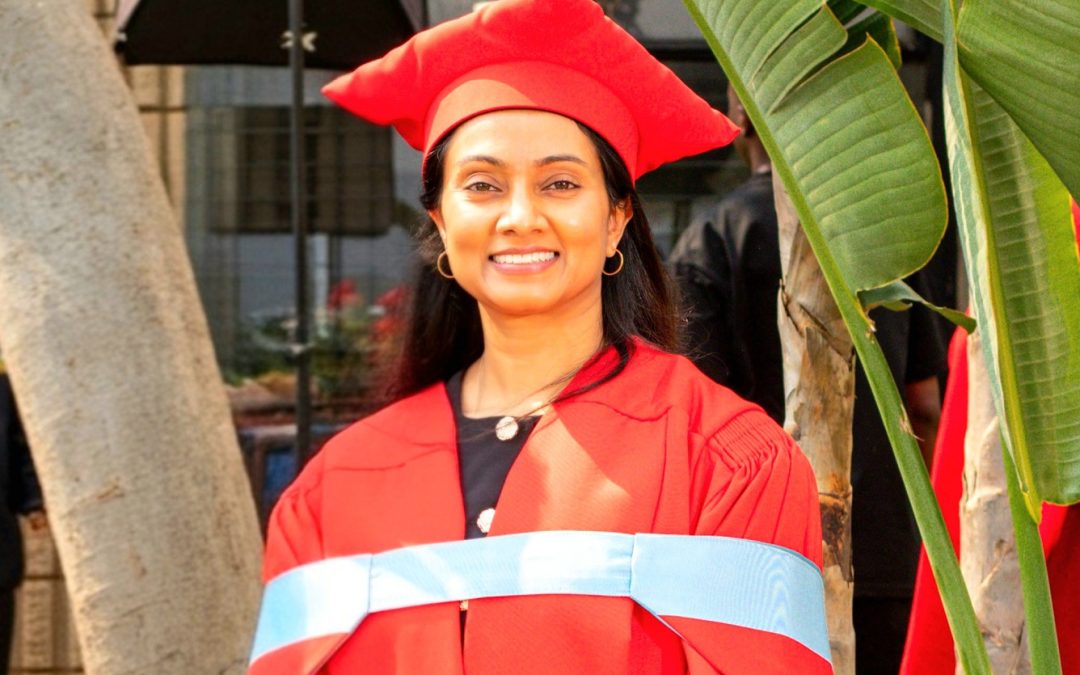
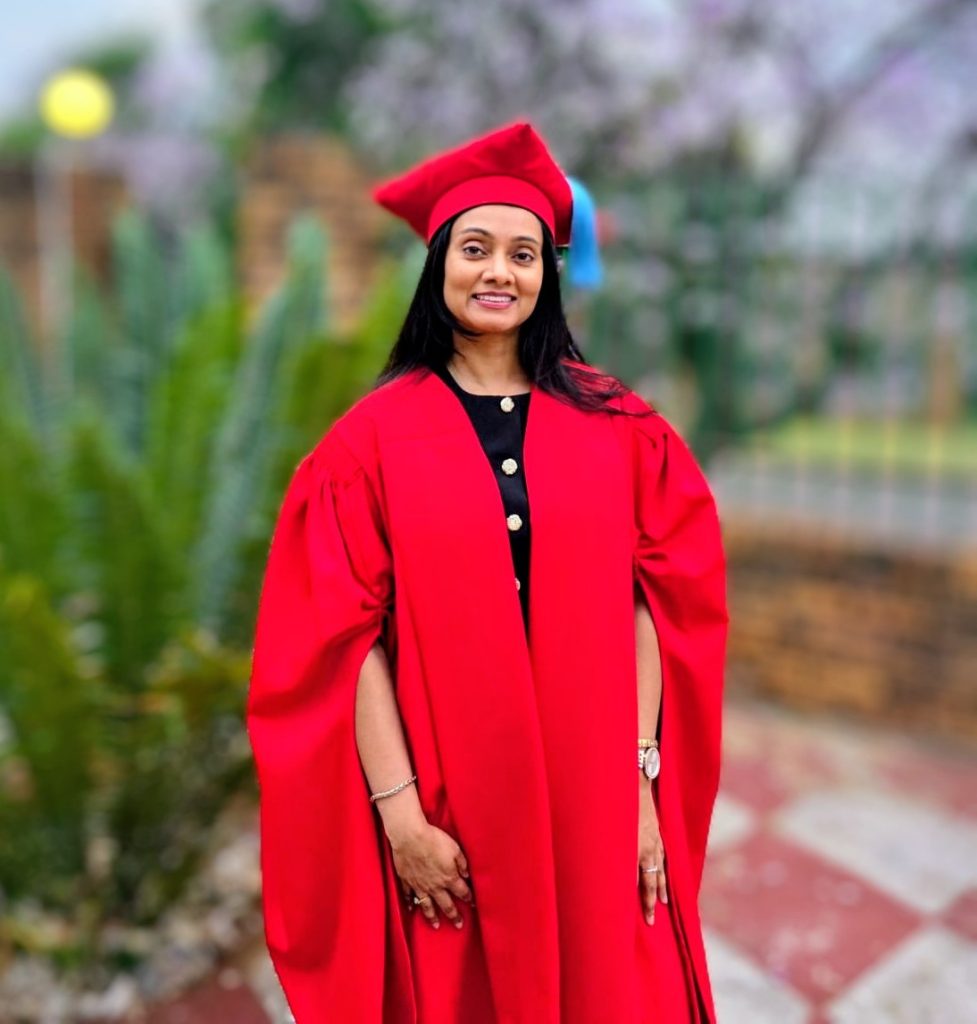
Sefako Makgatho Health Sciences University (SMU) is advancing research into antimicrobial resistance through the doctoral work of Dr Nishana Ramdas, who graduated with a PhD in Pharmacy at the university’s 2026 Spring Graduation Ceremony. Her doctoral research addresses a critical public health challenge by examining the behavioural factors that influence antibiotic use among patients in South Africa’s primary healthcare system.
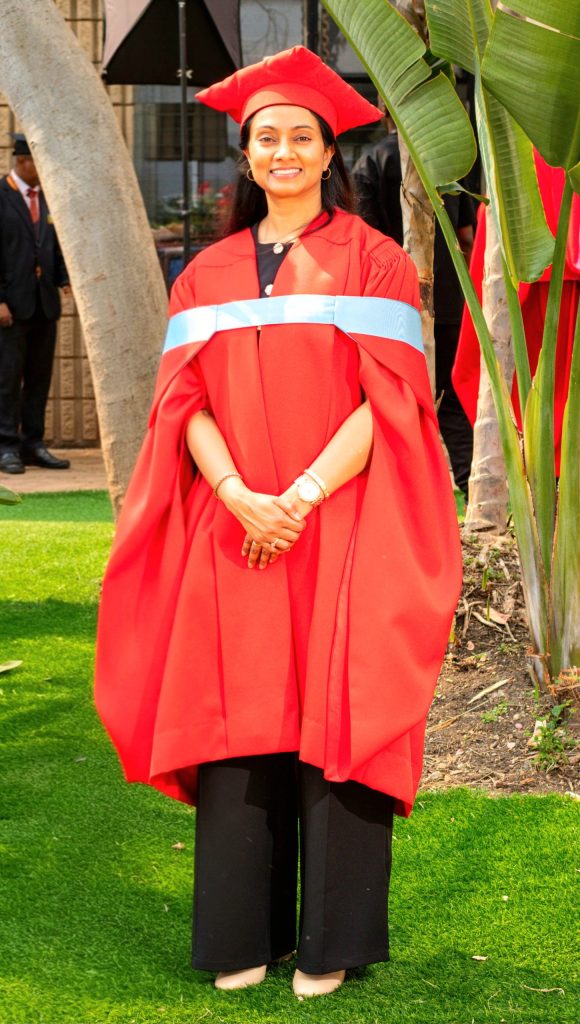 Titled Development and Validation of a Community Anti-Microbial Use Scale (CAMUS) for Use at Primary Health Care Level in South Africa, the research developed and validated a tool to help identify misconceptions, social influences and behavioural patterns associated with inappropriate antibiotic use.
Antimicrobial resistance (AMR) occurs when microorganisms develop the ability to resist medicines designed to treat infections. Inappropriate antibiotic use contributes to this growing global threat, making responsible medicine use and effective antimicrobial stewardship essential to protecting public health.
Dr Ramdas’s research involved a sequential mixed-methods approach, including a scoping review, instrument development, pilot testing and psychometric validation. The study surveyed 1,283 adult patients across 25 public healthcare facilities in Gauteng and Limpopo.
The findings revealed significant misconceptions about antibiotics. More than three-quarters of participants (76.5%) believed antibiotics could cure colds and flu, while 22.8% reported obtaining antibiotics without a prescription. Among those reporting non-prescribed use, community pharmacies were the primary source, accounting for 81.7%.
The research also found that non-prescribed antibiotic use was significantly associated with inadequate health literacy, misconceptions about antibiotics and permissive social and behavioural norms. Non-prescribed use was more prevalent in high-density peri-urban township settlements (36.3%) than in rural areas (16%).
These findings highlight that inappropriate antibiotic use extends beyond gaps in knowledge and is also influenced by social practices, health literacy and community expectations.
 The 30-item CAMUS instrument measures five domains: understanding of antibiotics; social and behavioural norms; non-prescribed use and community practices; understanding of antimicrobial resistance; and attitudes and beliefs influencing patient demand for antibiotics. The validated tool offers a structured approach to identifying factors that may inform targeted, patient-centred antimicrobial stewardship interventions.
Dr Ramdas’s achievement builds on an extensive career in pharmacy, public health and pharmaceutical services. She continues to support the National Department of Health (NDoH) in the coordination and implementation of the national Central Chronic Medicine Dispensing and Distribution (CCMDD) programme, which aims to improve access to chronic medicines for patients in South Africa. Her professional experience also includes pharmaceutical systems strengthening and healthcare workforce training.
In addition to her ongoing work supporting the national CCMDD programme, Dr Ramdas was appointed as an extraordinary lecturer in the Department of Pharmacology at the University of Pretoria in 2026. She also contributes to postgraduate research co-supervision, curriculum development and university teaching.
Her doctoral research has contributed to five first-author publications in international peer-reviewed scientific journals, covering community antibiotic use, behavioural influences and the development and validation of CAMUS. These contributions support evidence-based approaches to strengthening antimicrobial stewardship and improving appropriate antibiotic use.
The study recommends moving beyond awareness campaigns towards community-based interventions that address health literacy and social influences. It also highlights opportunities to improve communication between healthcare professionals and patients, strengthen oversight of access to non-prescribed antibiotics, and integrate CAMUS into national surveillance strategies.
Through Dr Ramdas’s doctoral achievement, SMU reinforces its commitment to innovative research, professional training and evidence-based solutions to public health challenges. The work shows how research in South Africa’s health sciences sector can inform interventions to improve patient care and address antimicrobial resistance.
By Tumelo Moila

by Lorato | Oct 29, 2026 | Accolades and Achievements, All News, Alumni, SMU Media, Student Media
Sefako Makgatho Health Sciences University (SMU) lecturer Dr Mashudu Nemukula has earned his Doctor of Philosophy (PhD) in Biochemistry at the university’s 2026 Spring Graduation Ceremony, marking a major milestone in his academic career and advancing research on diabetes and atherosclerotic cardiovascular disease.
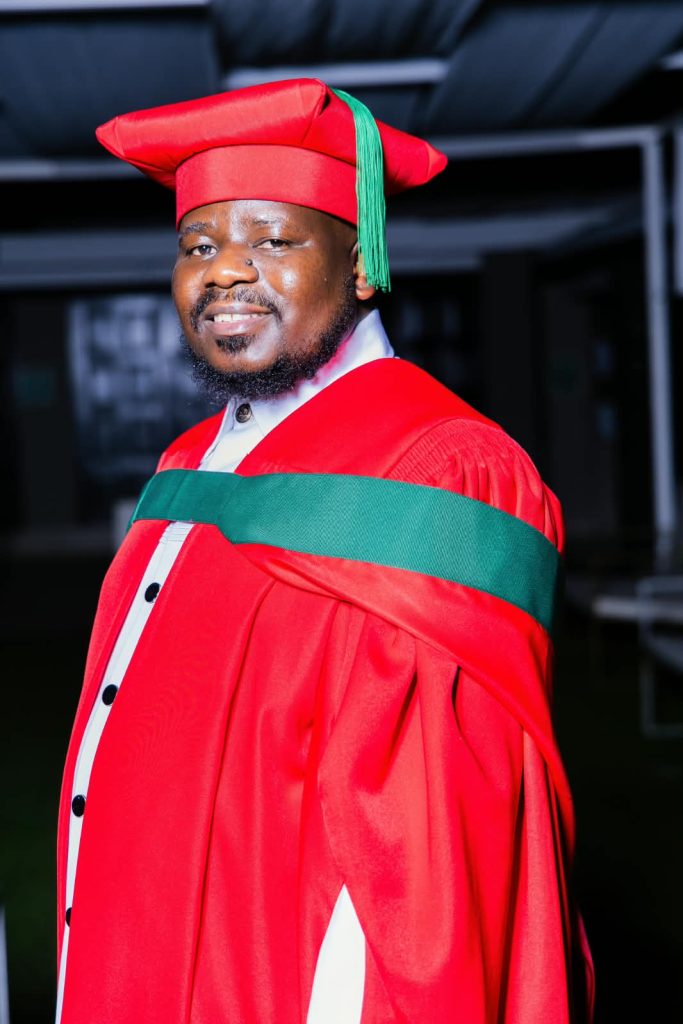 Dr Nemukula, a lecturer in Clinical Biochemistry and Healthcare Biotechnology in SMU’s Department of Biochemistry and Biotechnology, investigated the relationship between low-density lipoprotein (LDL) subclasses and the burden of atherosclerosis among black South African patients with Type 2 diabetes mellitus (T2DM). His thesis was titled “LDL subclasses and atherosclerosis burden in black South African Type II diabetic patients at Dr George Mukhari Academic Hospital”.
His research combined a systematic review and meta-analysis, a hospital-based cohort study, and nuclear magnetic resonance (NMR)-based serum metabolomic and lipidomic profiling. The study sought to improve understanding of lipid abnormalities and the metabolic changes associated with diabetes, which can increase the risk of cardiovascular complications.
The findings highlighted the prevalence of lipid abnormalities among South Africans with hyperglycaemia and identified treatment non-adherence as an independent factor associated with elevated LDL cholesterol. The research also characterised a metabolic signature associated with T2DM among people of black South African ancestry, identifying changes in amino acid, energy and gut microbial metabolism that may inform future precision-medicine approaches.
“Achieving my PhD is more than an academic milestone; it is a testament to perseverance, faith, dedication, and God’s grace throughout my journey. As Philippians 4:13 reminds us, ‘I can do all things through Christ who strengthens me.’ This scripture reflects the strength and determination that carried me through the challenges and sacrifices of this journey. I hope this milestone inspires future scientists and contributes to meaningful research that improves healthcare in South Africa,” said Dr Nemukula
The study further examined disruptions in lipoprotein and LDL-cholesterol metabolism in relation to endothelial dysfunction, oxidative stress, inflammation and atherosclerotic cardiovascular disease. The study used aortic pulse wave velocity to assess vascular stiffness, providing additional insight into cardiovascular risk.
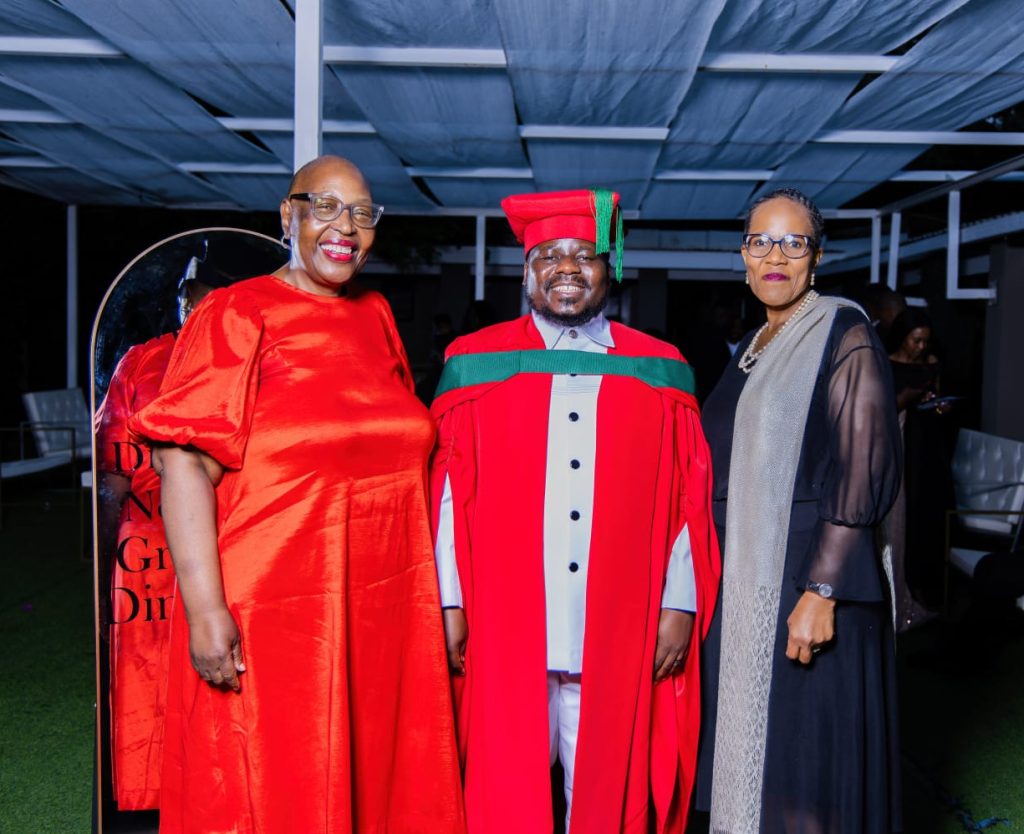 Dr Nemukula’s achievement builds on a career spanning more than a decade in higher education, laboratory demonstration, clinical research and academic administration. He has been a permanent lecturer at SMU since December 2021, where he coordinates undergraduate modules, teaches biochemistry and supervises or co-supervises Honours, master’s and Master of Medicine research projects.
He obtained his MSc in Biochemistry cum laude from SMU in 2019, following undergraduate studies in Biochemistry, Microbiology and Biochemistry-related disciplines at the University of Limpopo and the University of Venda. Between October 2024 and April 2025, he undertook an international research placement at the International Centre for Genetic Engineering and Biotechnology in New Delhi, India, focusing on NMR spectroscopy, metabolomics, and protein-DNA interaction techniques.
During his doctoral candidature, Dr Nemukula published four research articles, with a further manuscript under review, contributing to the growing body of knowledge on metabolic health and cardiovascular disease.
His achievement reflects SMU’s commitment to advancing scientific research, developing skilled health-sciences professionals and supporting evidence-based approaches to healthcare challenges. Through research, teaching, and postgraduate supervision, Dr Nemukula continues to contribute to the university’s academic mission and strengthen knowledge relevant to diabetes and cardiovascular health in South Africa.
By Tumelo Moila
by Lorato | Oct 28, 2026 | All News, Alumni, SMU Media, Student Media
Sefako Makgatho Health Sciences University (SMU) PhD candidate Christopher Thapelo Mamaregane has earned recognition for research investigating the potential impact of coal mining on water quality in Limpopo’s Waterberg region, highlighting the university’s contribution to environmental chemistry and public health.
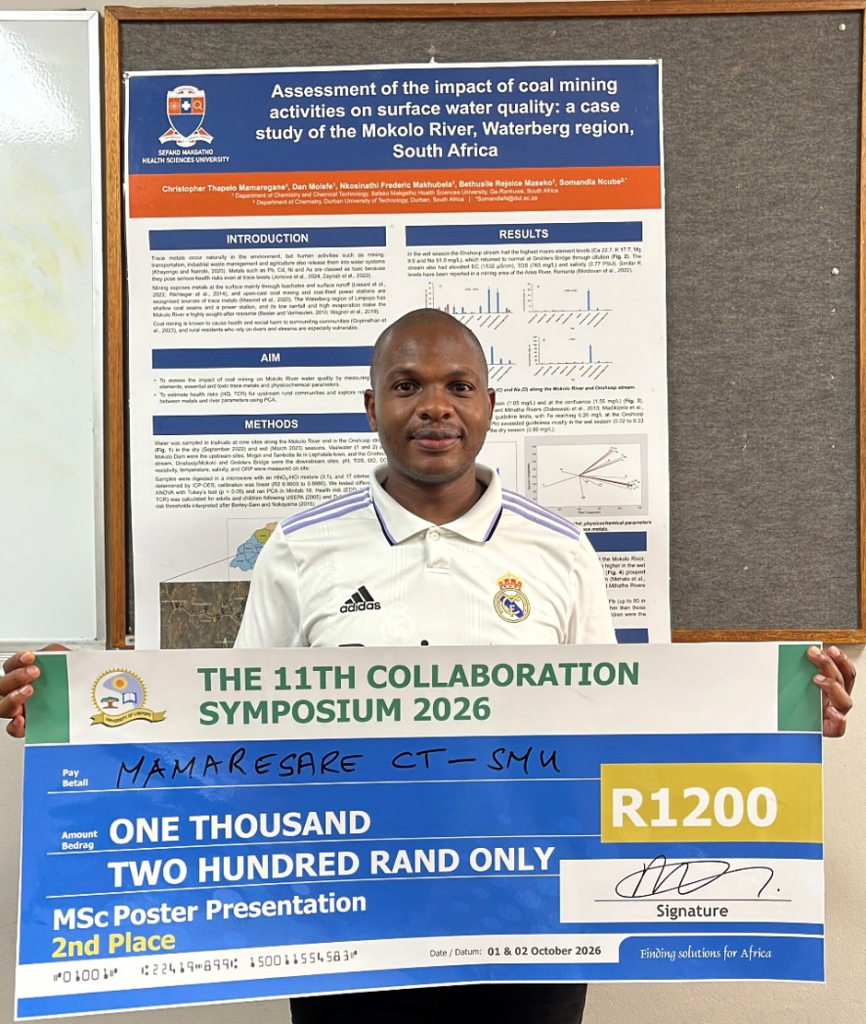 Mamaregane, a doctoral candidate, won 2nd place in the MSc Poster Presentation Award at the 11th Collaboration Symposium, organised by the Head of the Department of Chemistry and Chemical Technology at SMU and hosted by the University of Limpopo. The award recognised his research titled “Assessment of the Impact of Coal Mining Activities on Surface Water Quality: A Case Study of the Mokolo River, Waterberg Region, South Africa. For his efforts, he took home a cheque of R1 200.
The research examines whether coal mining activities contribute trace metals to the Mokolo River and assesses the potential health risks for communities using its water. The study involved sampling during the dry and wet seasons, analysing 17 elements and physicochemical properties, and conducting a human health risk assessment. “Honestly, it came as a shock because the presenters from other institutions were very good,” said Mamaregane. “This work took a lot of fieldwork, laboratory analysis and data interpretation, so seeing it recognised by the symposium was very humbling.”
Motivated by his upbringing in Limpopo, Mamaregane wanted to address a local environmental concern through scientific evidence. He explained that the Waterberg’s limited rainfall and high evaporation make the Mokolo River an important resource for domestic and industrial use, increasing the need to understand potential pollution sources.
The findings showed elevated metal concentrations in the Onshoop stream, which originates from the coalfields, but these declined sharply after the stream joined the Mokolo River. The results suggest that dilution reduces metal concentrations entering the river. At the same time, statistical analysis indicates that natural geological processes and surface runoff may be significant sources of metals in the catchment.
However, the health risk assessment identified concerns for rural communities upstream, particularly children, who were found to be more vulnerable to exposure to certain metals, including arsenic, cobalt, cadmium, chromium and lead. The findings indicate that people should not drink the river water without appropriate treatment.
Mamaregane cautioned against drawing definitive conclusions about mining’s overall impact, noting that the research team could not access the mine’s holding dams or effluent discharge points. Financial constraints also presented challenges, as the study relied on the university’s limited resources without external funding.
Dr Molefe, the former supervisor, said the research demonstrated the quality and potential impact of postgraduate scholarship at SMU. He highlighted its originality, technical excellence, reproducibility and significance to the field of chemistry, adding that recognition at the symposium could strengthen collaboration and raise the university’s research profile nationally and internationally.
The study has also been published in Environmental Research, in a special issue focusing on mining, water and climate. Mamaregane said the next phase would involve continued river monitoring, particularly during the dry season, and collaboration with mining stakeholders to investigate pollution sources, including a lead concentration spike identified at Mogol.
He encouraged fellow postgraduate students to participate in research competitions, stressing the importance of presenting credible findings and acknowledging research limitations. “Clean water is everyone’s concern, and the answer is not always simple,” he said. “Continued monitoring and cooperation between researchers, industry and communities are how we protect it.”
Mamaregane’s achievement reflects SMU’s commitment to excellence in teaching, learning, and innovative research, showing how postgraduate research can generate evidence to inform environmental management, protect public health, and support sustainable water use.
According to the HOD, Prof. Motaung, the symposium is designed to nurture talent, empower, and showcase the capabilities of a generation that was previously disadvantaged. For the first time, the event attracted international delegates, marking a significant milestone in its growth and global recognition. Mamaregane’s win of the poster presentation award reflects the quality of research at SMU and highlights the institution’s commitment to excellence, innovation, and developing emerging researchers.
By Tumelo Moila