by Lorato | Nov 19, 2026 | All News, Alumni, SMU Media, Student Media
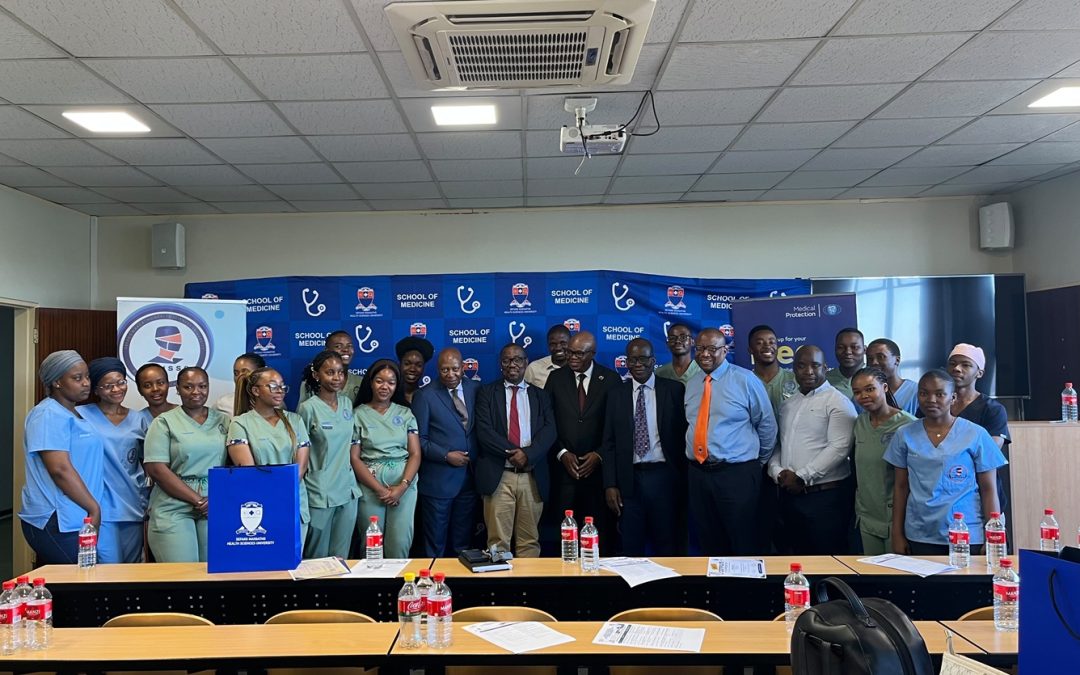
Sefako Makgatho Health Sciences University (SMU) is strengthening a culture of research and academic excellence among undergraduate medical students through initiatives that encourage scientific inquiry, critical thinking and innovation in healthcare. This commitment was demonstrated at the SMU Student Surgical Society (SMUSSS) Student Research Symposium and Awards, which celebrated outstanding student research and highlighted its role in advancing medical and surgical practice.
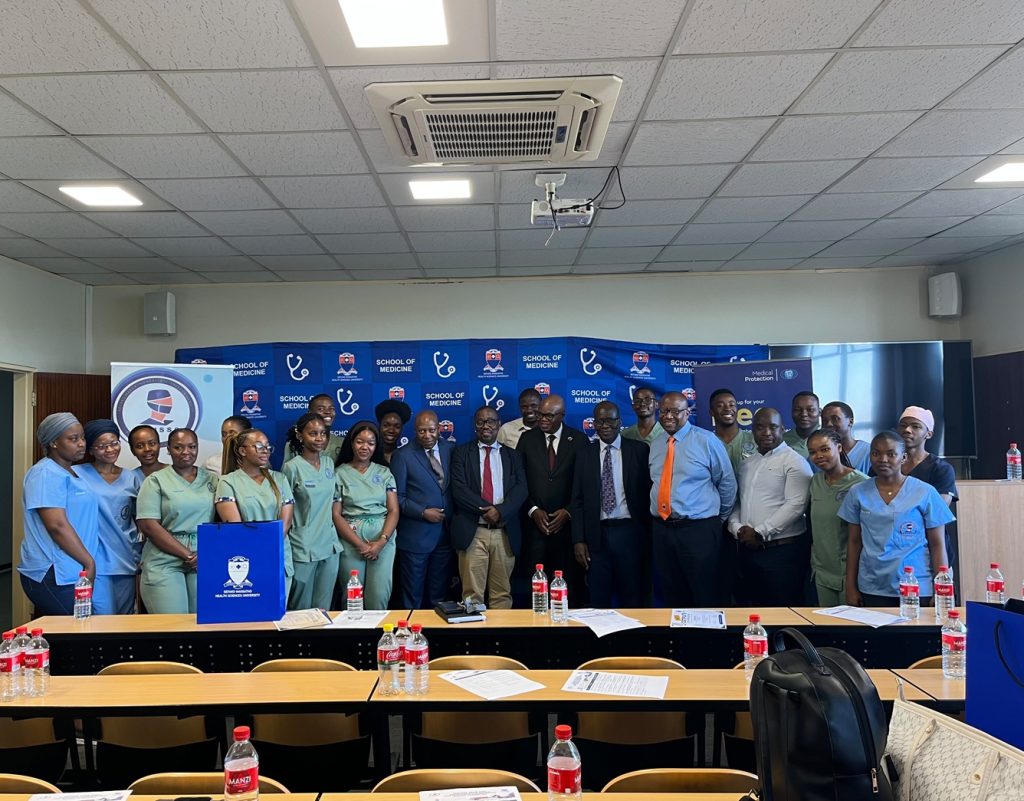 The symposium brought together undergraduate students, academic leaders and research stakeholders to recognise emerging research talent and encourage greater participation in scholarly activities.
The programme featured two competitions tailored to different stages of medical training: protocol writing for MBChB students in Years 4 to 6 and literature review writing for students in Years 1 to 3. The categories introduced students to essential stages of the research process while developing their academic writing, analytical and critical appraisal skills.
In her welcome address, SMUSSS President Tshepiso Maredi emphasised that research is fundamental to improving medical practice, developing safer treatment approaches, refining clinical guidelines and addressing healthcare challenges. She encouraged students to engage in research early in their academic careers and develop the ability to make evidence-based clinical decisions.
Professor Modise Zacharia (Zach) Koto, Head of the Department of General Surgery, highlighted the growing importance of research publications in medical training and professional advancement. Drawing on his experience of reviewing approximately 1 200 applications, he explained that research publications are among the factors considered when selecting candidates for specialist training programmes. He urged students to view research as an investment in their professional development.
The Dean of the School of Medicine, Professor Risenga Frank Chauke, reinforced the importance of academic commitment, particularly research, in developing competent medical professionals. He noted that research strengthens problem-solving abilities and enables students to question existing knowledge and contribute to solutions for healthcare challenges.
Guest speaker Professor Thifhelimbilu Emmanuel Luvhengo, Adjunct Professor in the School of Clinical Medicine and Clinical Head of the Department of Surgery at the University of the Witwatersrand (Wits), delivered a message centred on identity, confidence and excellence. He encouraged students to recognise their individuality, build self-confidence and pursue their academic and professional aspirations with determination.
 Reflecting on the development of the Society’s research initiatives, Albert Sebulela, SMUSSS Research and Academics Officer, said the competitions originated from a vision to involve undergraduate medical students more actively in surgical research.
“Our goal was clear: we wanted to actively engage undergraduate students, both pre-clinical (Years 1 to 3) and clinical (Years 4 to 6), in surgical research,” he said.
Sebulela explained that the initiative expanded from literature review competitions to include protocol writing for senior students, providing a more comprehensive introduction to research. The symposium subsequently became a platform for recognising student contributions and encouraging sustained academic engagement.
“The field of medicine is constantly evolving, requiring clinicians who are curious, passionate about discovery, and knowledgeable enough to advance patient care and deliver the highest quality of service,” he said.
He also emphasised interdisciplinary collaboration and innovation as important drivers of research excellence. He highlighted the value of partnerships across health disciplines, including anaesthesiology, and pointed to laparoscopic surgery and minimally invasive procedures as examples of how research transforms clinical practice.
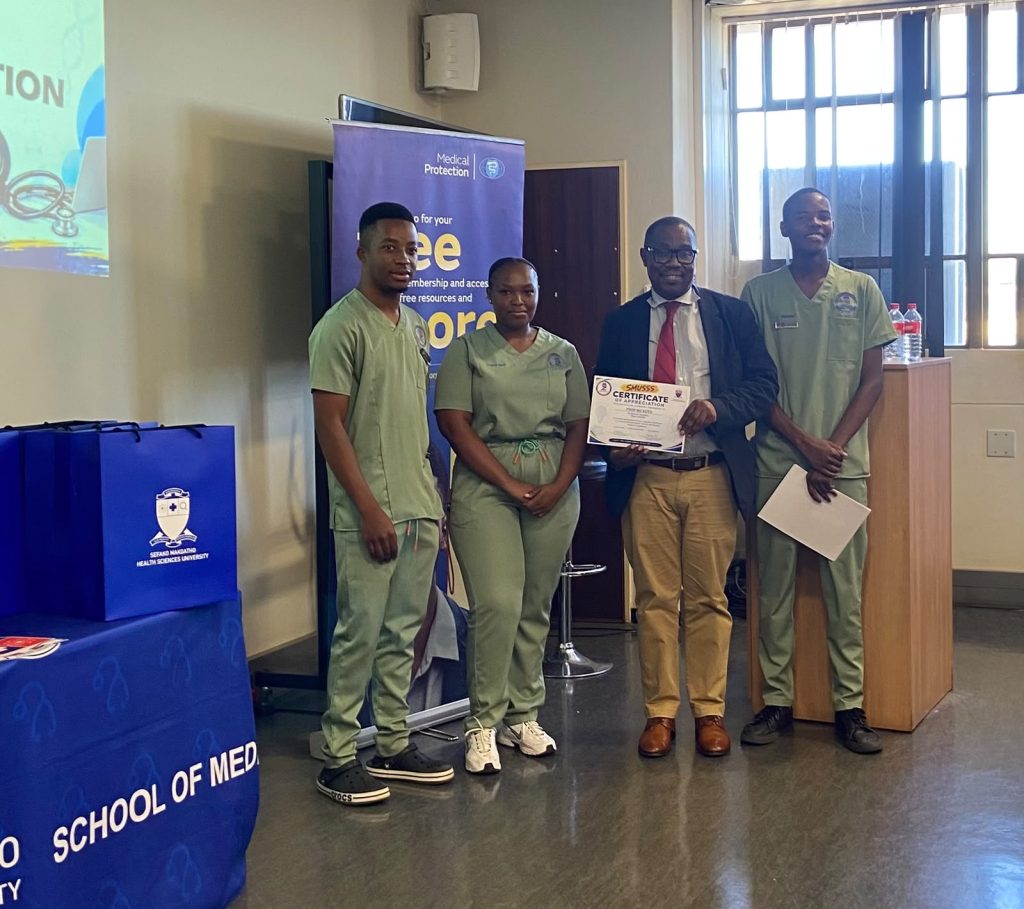
The symposium concluded by recognising outstanding student researchers. In the protocol-writing category, Thapelo Mthimunye (MBChB Year 4) secured first place, followed by Phuti Kola (MBChB Year 5) and Oratile Mashilo (MBChB Year 4) in second and third places, respectively.
In the literature-review category, Thabiso Trinity Seerane and Basani Baloyi, both MBChB Year 3 students, shared first place. Mogau Matlanyane received second place, while Akonaho Mashamba (MBChB Year 3) secured third place.
Supported by the SMU School of Medicine Deanery Office, TANC and Wizmed, the symposium reaffirmed SMU’s commitment to developing research-minded healthcare professionals. Through student-led initiatives, the university continues to nurture scientific curiosity, strengthen research capacity and prepare future medical practitioners to translate evidence into improved patient care and healthcare outcomes.
By Dimakatso Modise
by Lorato | Nov 18, 2026 | All News, Alumni, SMU Media, Student Media
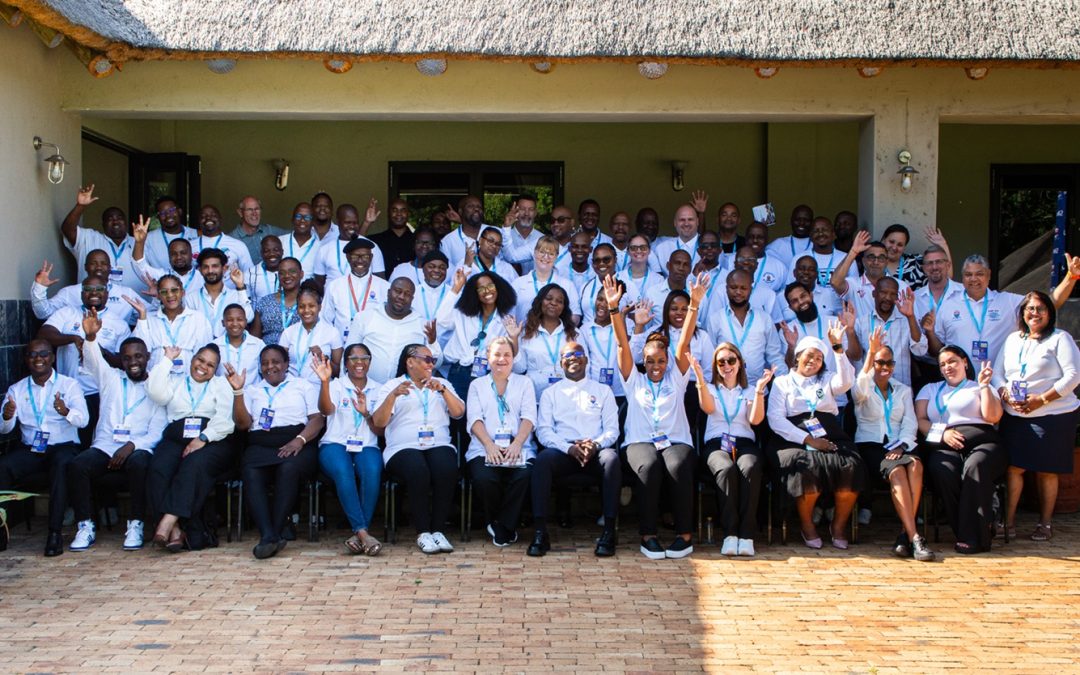
Sefako Makgatho Health Sciences University (SMU) hosted a well-attended 27th Annual Asset Management Forum of Southern Africa (AMF-SA) 2026 Conference at Valley Lodge & Spa in Magaliesburg, bringing together asset management professionals, higher education representatives and industry experts for four days of knowledge-sharing, professional engagement and discussions on strengthening institutional asset management practices.
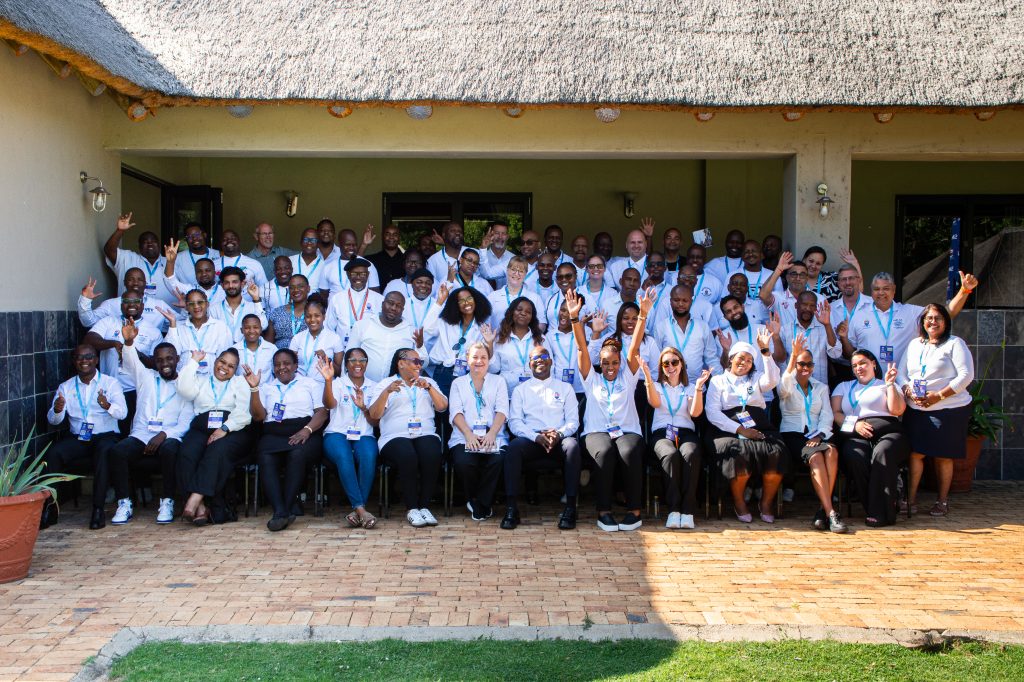 Held from 10 to 13 November 2026, the conference provided a collaborative platform to explore the evolving demands of asset management, with particular emphasis on financial accountability, infrastructure planning, sustainability, digital transformation, risk management and the responsible use of institutional resources.
The programme featured a variety of presentations, interactive discussions, networking opportunities and practical engagements designed to keep delegates informed about emerging trends, industry developments and innovative approaches to asset management. Outdoor activities, networking sessions as well as a gala dinner further provided opportunities for delegates to connect, exchange experiences and strengthen professional relationships.
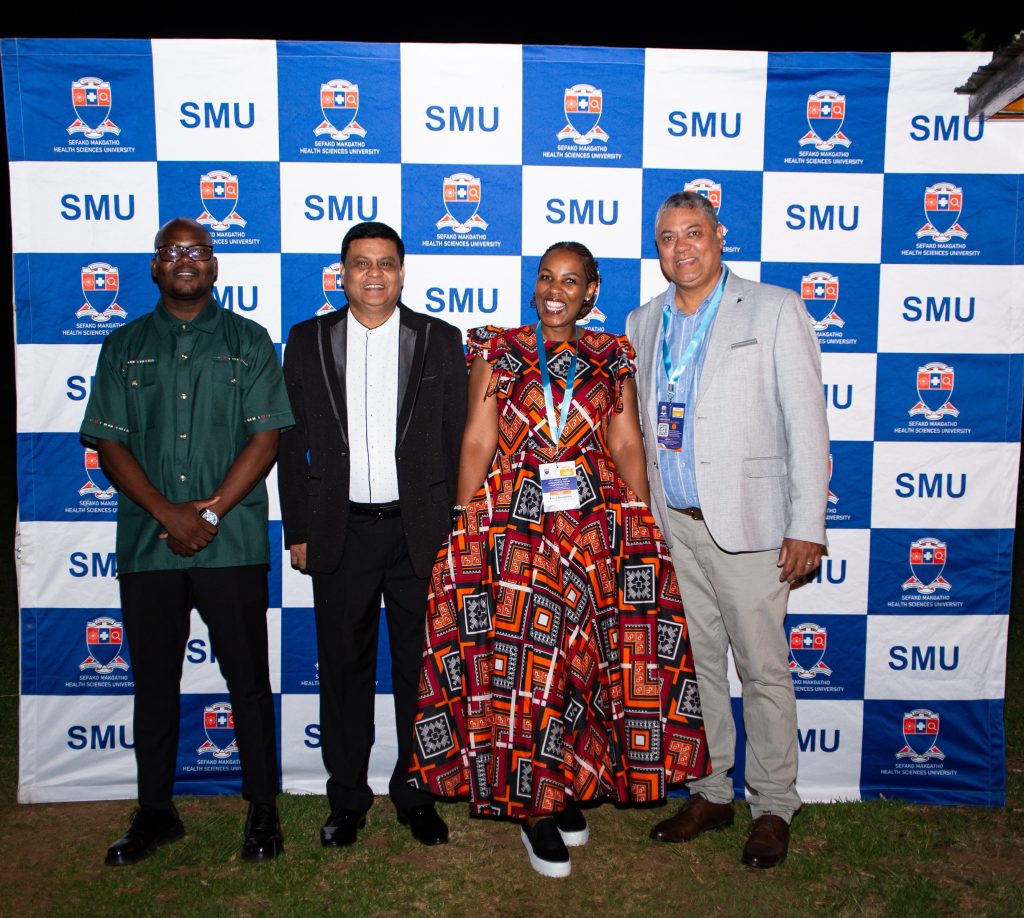
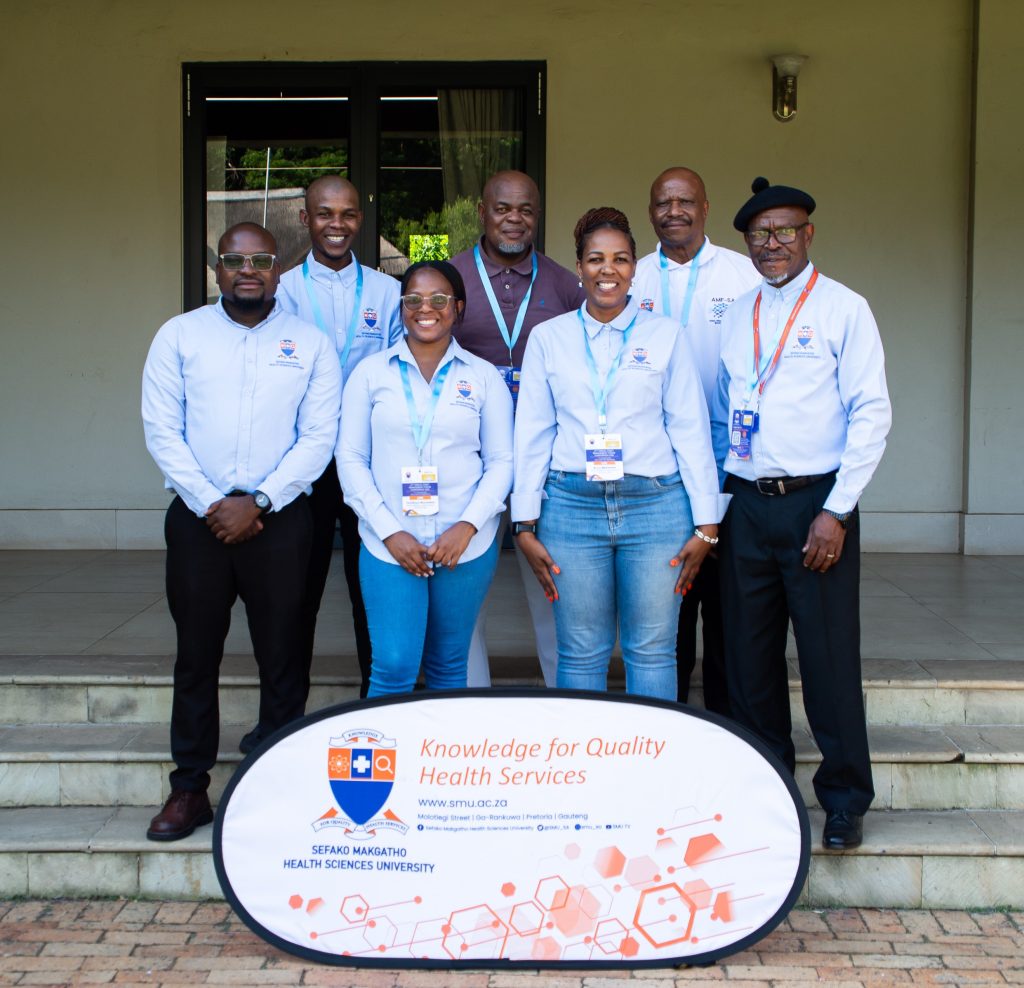
The opening ceremony was led by the Local Organising Committee Chairperson, Dr Tshifhiwa Mulaudzi, followed by opening remarks from AMF-SA Chairperson Mr Sunil Kheru, and AMF-SA Vice-Chairperson Mr Lehain Louw. Professor Morake Douglas Maleka, Acting Deputy Vice-Chancellor: Research, Innovation and Internationalisation, attended on behalf of SMU Vice-Chancellor, Professor Dini Mawela and welcomed the delegates on behalf of SMU. The university’s Acting Chief Financial Officer, Mahlatholle Masha CA(SA), delivered the welcome address.
In his address, Prof Maleka emphasised the importance of collaborative initiatives in strengthening asset management across universities, highlighting the long-term value of sharing expertise, resources and institutional knowledge.
“Through initiatives such as the Asset Management Forum, universities have an opportunity to learn from one another, strengthen their asset management practices and build long-lasting assets that will benefit different institutions. These collaborations are important in ensuring that the resources entrusted to our universities are managed responsibly and continue to create value for generations to come,” he said.
 The conference reflected the mandate of AMF-SA, which promotes the strategic management of physical and financial assets within the higher education sector across Southern Africa. The forum advocates for effective asset lifecycle management, infrastructure planning and capital investment strategies, while encouraging institutions to integrate asset management principles into governance and long-term planning.
The importance of these discussions is underscored by the significant contribution that property, plant and equipment (PPE) makes to the total assets of higher education institutions. Maintaining accurate asset registers and ensuring proper financial reporting are essential to institutional accountability and effective resource management.
Mr Lehain Louw’s presentation, titled The Evolution of Our Identity – Transitioning from Foundations of Knowledge to Data-Driven Networks, explored the changing relationship between institutional identity, knowledge and data-driven environments. Mr Louw, who represents the University of the Western Cape (UWC), delivered the presentation on the first evening of the conference.
As Mr Kheru was available only on the first day, Mr Louw and Dr Mulaudzi shared his remaining responsibilities, including the welcome and opening remarks and the introduction of delegates on the second day, as well as the official closure of the conference. Dr Mulaudzi also delivered the keynote address on the second day.
Infrastructure funding and financial accountability also featured prominently, with Department of Higher Education and Training (DHET) representative Mr Matlhasedi Makgato presenting on infrastructure grants accounting and reporting.
Sustainability and technological innovation formed another important part of the discussions. Ms Bridgette Neil from Xperien examined sustainability throughout the IT hardware asset lifecycle, including circular economy practices and the responsible management and recovery of critical and rare-earth materials. Her presentation highlighted the importance of considering the environmental and operational impact of assets throughout their lifespan.
Mr Ally Moholola, a CA (SA) by profession, representing Phaahla Tlou IT Solutions based in Limpopo Province, demonstrated their own developed asset management system, highlighting how technology improves asset visibility, monitoring and control. In its two sessions, on leveraging data and technology for smarter universities and on real-time asset tracking and verification, Adapt IT demonstrated the asset verification APP which was developed together with SMU as part of the pilot project.
 Dr Mulaudzi also presented on the vehicle auction process outlining the key learning takeaways from the auction process undertaken between 2021 and 2025, while an interactive session titled A Different Perspective in Asset Management encouraged delegates to exchange experiences and consider practical approaches to institutional challenges.
On the third day, Mr Danie Fourie, a CA (SA) by profession from SDM Consulting presented on PPE year-end reporting preparations, accounting for improvements to buildings, and impairment assessments, particularly for assets under construction (AUC). Ms Silindile Ndlovu from Standard Bank presented on strategic fleet management, while Mr Yunus Naidoo, a qualified Chartered Accountant of Advanced Technology Services presented on technology-enabled asset management. Mr Johan van Huyssteen presented V-Track IT Asset Management and V-Track MDM, as well as InnoVent’s leasing and technology refresh model. The day ended with a collaborative learning session involving all delegates.
On the final day, Mr Mqhele Sigola from Maksure addressed risk management in the higher education sector, while Ms Thenjiswa Mbewu a CA (SA) by profession from The Royal Seeds Advisory presented on monitoring and controls relating to assets under construction. Dr Mulaudzi delivered the closing remarks on behalf of SMU, while Mr Louw, Deputy Chairperson of AMF-SA, officially closed the proceedings of the 2026 conference.
The conference concluded on a note of appreciation, with delegates thanking Erica Mphahlele who is a qualified Chartered Accountant, SMU Head of Department: Asset Management, and her team for organising a successful conference and extending warm hospitality throughout the event. Their efforts in coordinating the programme and facilitating meaningful engagements contributed to a memorable experience for participants.
By Dimakatso Modise
by Lorato | Nov 18, 2026 | All News, Alumni, SMU Media, Student Media
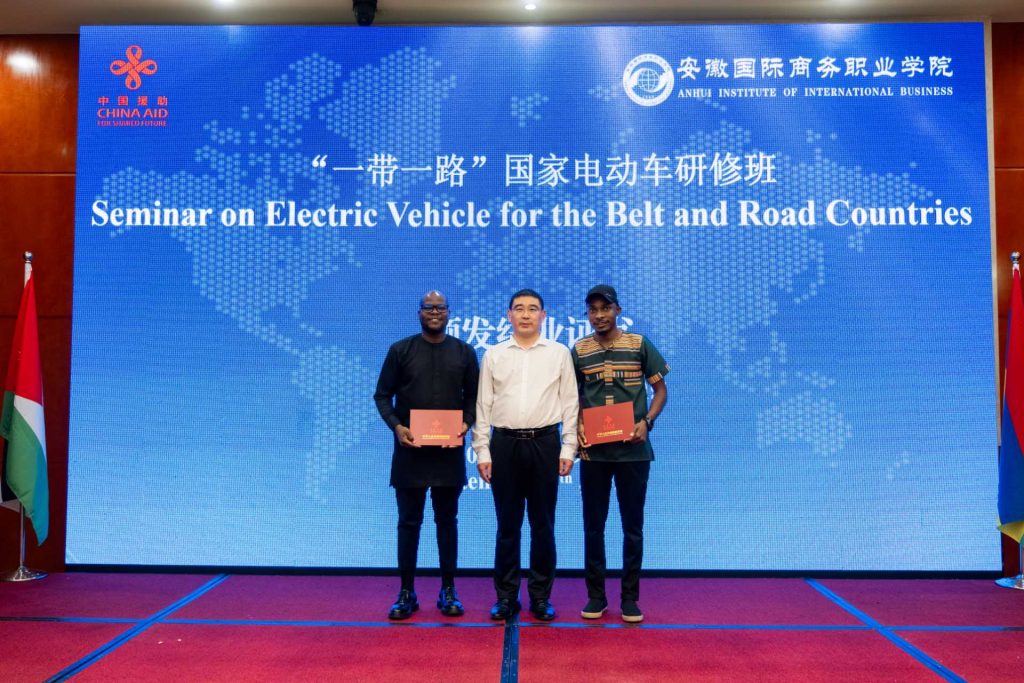
Four employees from Sefako Makgatho Health Sciences University (SMU) have been selected for fully funded international Short Learning Programmes (SLPs) under the China–South Africa bilateral cooperation programme, strengthening the university’s commitment to professional development, knowledge exchange and institutional internationalisation.
 Selecting two academic and two administrative staff members highlights SMU’s approach to making internationalisation an institution-wide priority, extending opportunities beyond academic exchanges to include professional and operational functions that support effective university management and service delivery.
The selected participants are Mpho Mmako, Horticulturist; Dr Samantha Govender, Senior Lecturer and Head of the Department of Audiology and Speech-Language Pathology; Ntsako Mboweni, Lecturer in the Department of Human Nutrition and Dietetics; and Dr Tshifhiwa Mulaudzi, Acting Director: Finance Operations. Each was selected for a specialised programme aligned with their professional responsibilities.
Mmako participated in the Seminar on Beekeeping Industry Development Capacity Building for Poverty Alleviation and Prosperity under the Global Development Initiative. The programme provided exposure to sustainable beekeeping practices, agricultural development and the potential of the beekeeping industry to support livelihoods and poverty alleviation.
“Learning about sustainable beekeeping practices has broadened my understanding of how agricultural initiatives can contribute to economic development and poverty alleviation. I look forward to exploring how this knowledge can inform sustainable practices within my area of work,” said Mmako.
Dr Govender attended the Seminar on Digital Development in the Healthcare Sector for Developing Countries, which explored the growing role of digital technologies in healthcare delivery and their potential to strengthen health systems. The knowledge gained is relevant to the evolving healthcare environment and integrating technology into professional practice.
 “The programme provided valuable insights into the role of digital innovation in transforming healthcare delivery. As healthcare professionals, we must remain open to new technologies and approaches that can improve services, strengthen systems and ultimately benefit patients,” said Dr Govender.
Meanwhile, Mboweni participated in the Seminar on Safety Management of Food Additives under the Global Development Initiative. The training focused on food safety management, regulatory considerations and the importance of protecting public health through the appropriate use and management of food additives.
“Food safety is central to public health. The opportunity to engage with international approaches to food additive management has strengthened my appreciation of the importance of effective regulation, scientific knowledge and evidence-based practice in protecting consumers,” said Mboweni.
Dr Mulaudzi attended the Government Digitalisation and the Development of a Service-Oriented Government for Belt and Road Countries programme, which examined digital transformation in government, technology-enabled administration, and approaches to developing efficient, responsive public services.
“The programme highlighted the importance of digital transformation in building efficient, transparent and service-oriented institutions. I believe the knowledge gained can contribute to strengthening administrative processes and improving service delivery at SMU,” said Dr Mulaudzi.
Although participants pursued different areas of specialisation, their programmes shared a common objective: equipping professionals with international knowledge, practical insights and new perspectives they can apply within their respective areas of responsibility at SMU.
The fully funded nature of the opportunities also enabled the selected employees to access international training and expertise without placing the financial burden of participation on the University or the individuals.
The initiative further highlights the value of China–South Africa bilateral cooperation in advancing education, skills development, science, technology and innovation. Through such partnerships, institutions can strengthen professional capabilities while facilitating the exchange of knowledge and international best practices.
For SMU, employee participation represents an investment in institutional capacity and organisational development. By empowering both academic and administrative staff, the University continues to demonstrate that internationalisation extends beyond research partnerships and student mobility.
It is an institution-wide commitment to developing people, strengthening systems and improving professional practice, ultimately supporting SMU’s mission to advance excellence in teaching, learning and innovative research.
By Tumelo Moila
by Lorato | Nov 18, 2026 | All News, Alumni, SMU Media, Student Media
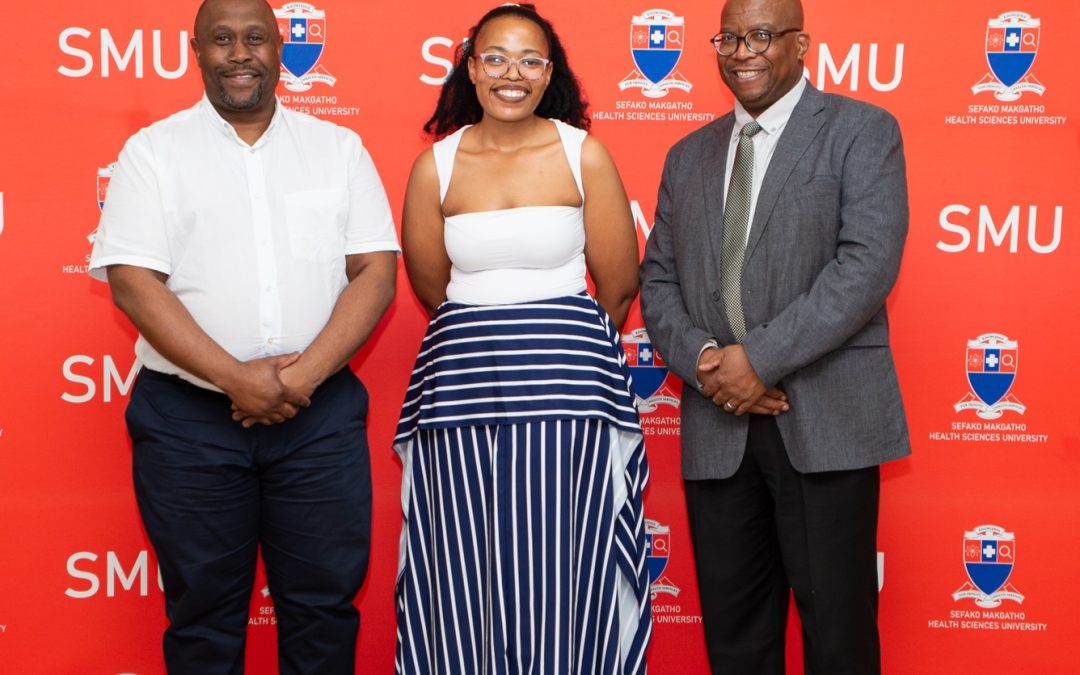
Sefako Makgatho Health Sciences University (SMU) is celebrating the selection of fourth-year medical student Alizwa Boco for the prestigious Abe Bailey Travel Bursary, recognising her academic excellence, student leadership and commitment to making a meaningful contribution to society.
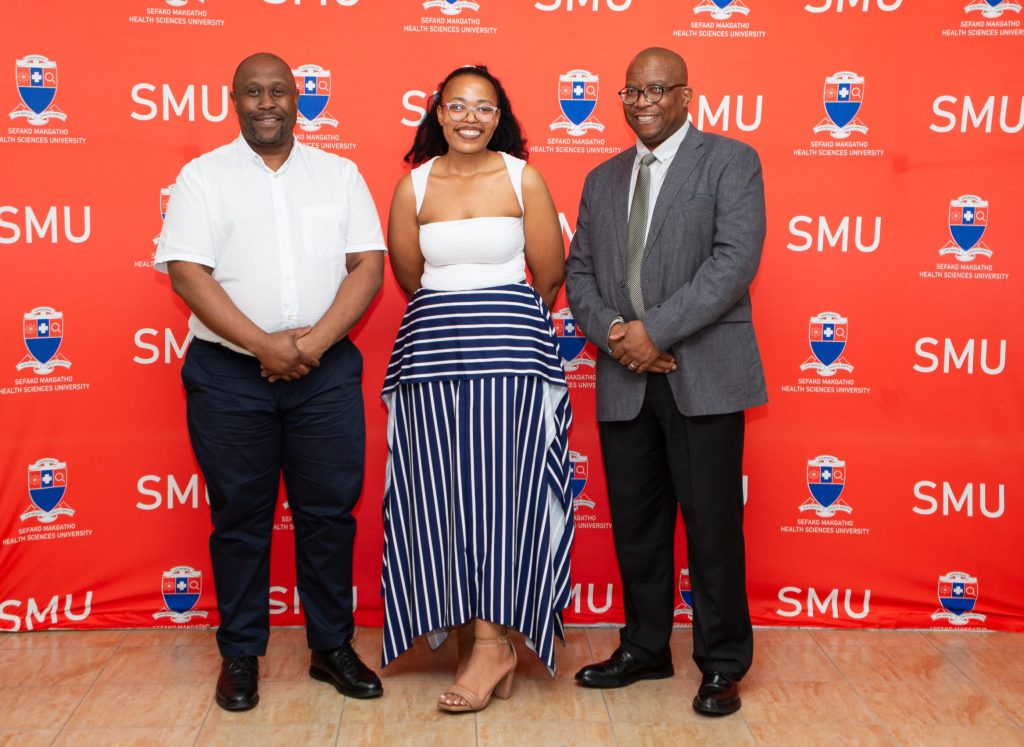 The bursary offers young South Africans an opportunity to broaden their perspectives through international exposure, cultural engagement and interaction with people from diverse backgrounds. Established in 1951, the programme seeks to develop future leaders, promote nation-building and strengthen understanding and cooperation across cultures. It recognises individuals whose leadership extends beyond academic achievement to include service, initiative and active involvement in their communities.
Originally from Sakhela in Mthatha, Eastern Cape, Boco has built an impressive academic and leadership record. She first distinguished herself as the overall top achiever in the OR Tambo District, obtaining seven distinctions in her matric examinations, including 97% in Physical Sciences and 88% in Mathematics. Driven by her passion for medicine, she subsequently enrolled for the Bachelor of Medicine and Bachelor of Surgery (MBChB) programme at SMU.
Beyond her academic pursuits, Boco has demonstrated a strong commitment to student development and creating supportive university environments. Together with fellow medical student Bonolo Malema, she established SMU’s Student Buddies initiative, which supports first-time entering students through peer mentorship, orientation activities and programmes designed to foster a sense of belonging and ease the transition into university life.
Her contribution to higher education also extends to research and international academic engagement. In 2026, she represented SMU at the International Conference on Student Engagement and Success in Higher Education in Kuala Lumpur, Malaysia. She presented research titled From the Gate to Graduation: A Biopsychosocial Approach for Conscious Transition from High School into University Life, highlighting the importance of holistic student support and inclusive approaches to navigating the transition from secondary to higher education.
Boco attributes her leadership philosophy to the mentorship and guidance she has received throughout her journey. “My mentor, Ms Yolanda Pieterson, former Miss SA finalist, taught me that talent is not meant for personal achievement alone. It is meant to uplift others. That principle drives everything I do as a leader, a researcher, and a future doctor,” she said.
Her selection for the Abe Bailey Travel Bursary marks another milestone in her development as a young leader and provides an opportunity to engage with different societies, cultures and perspectives. The experience is expected to broaden her understanding of global citizenship while strengthening her capacity to contribute meaningfully to her community and the healthcare sector.
Dr Carlien Jooste, Director of Internationalisation at SMU, said Boco’s achievement reflects the importance of developing graduates who combine professional competence with leadership and social responsibility. “Alizwa’s journey demonstrates that the future of healthcare requires more than clinical knowledge; it also calls for compassionate leadership, cultural awareness and a willingness to contribute beyond oneself,” said Dr Jooste.
Boco’s achievement reinforces SMU’s commitment to developing well-rounded graduates through academic excellence, innovative research, student development and international engagement. Her journey demonstrates the value of empowering students to become leaders who can make a difference locally while engaging confidently with the global community.
By Tumelo Moila
by Lorato | Nov 11, 2026 | Accolades and Achievements, All News, Alumni, SMU Media, Student Media
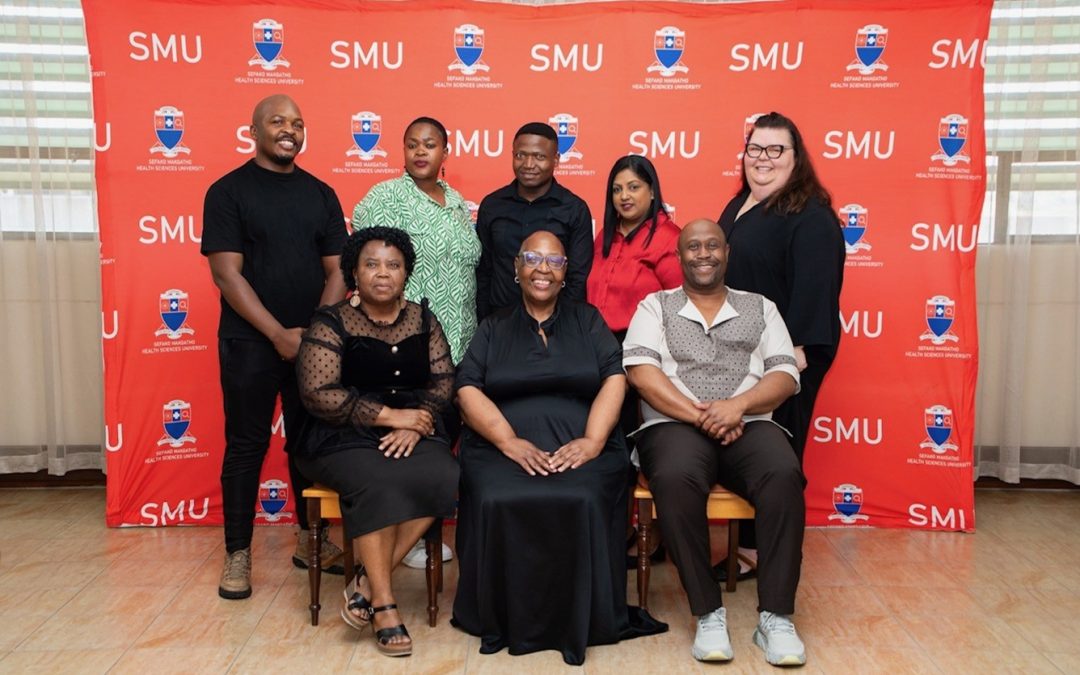
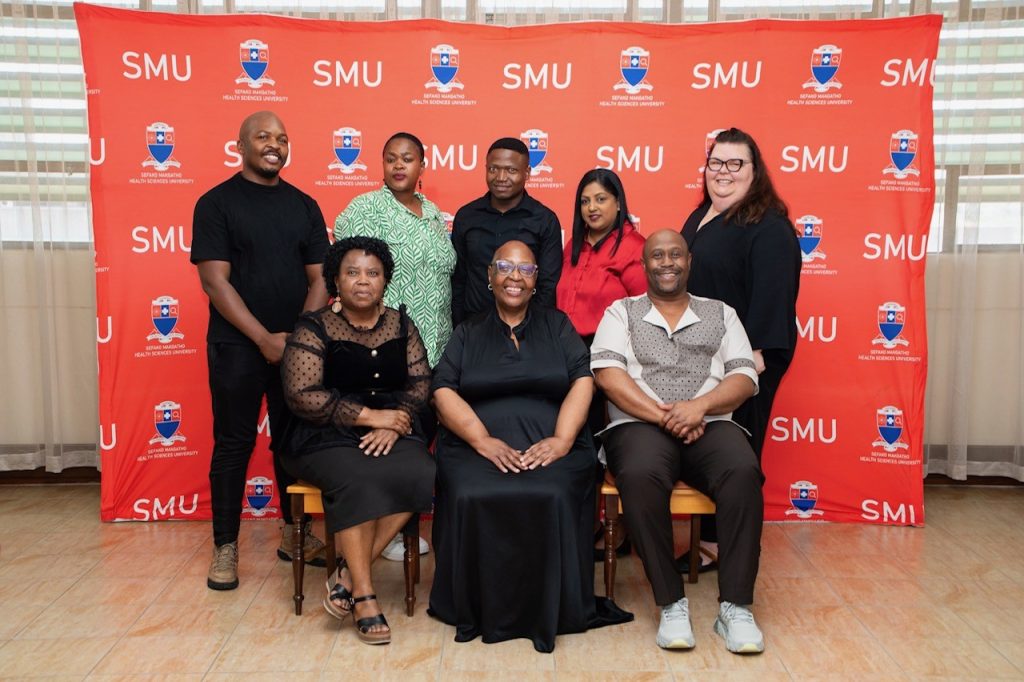
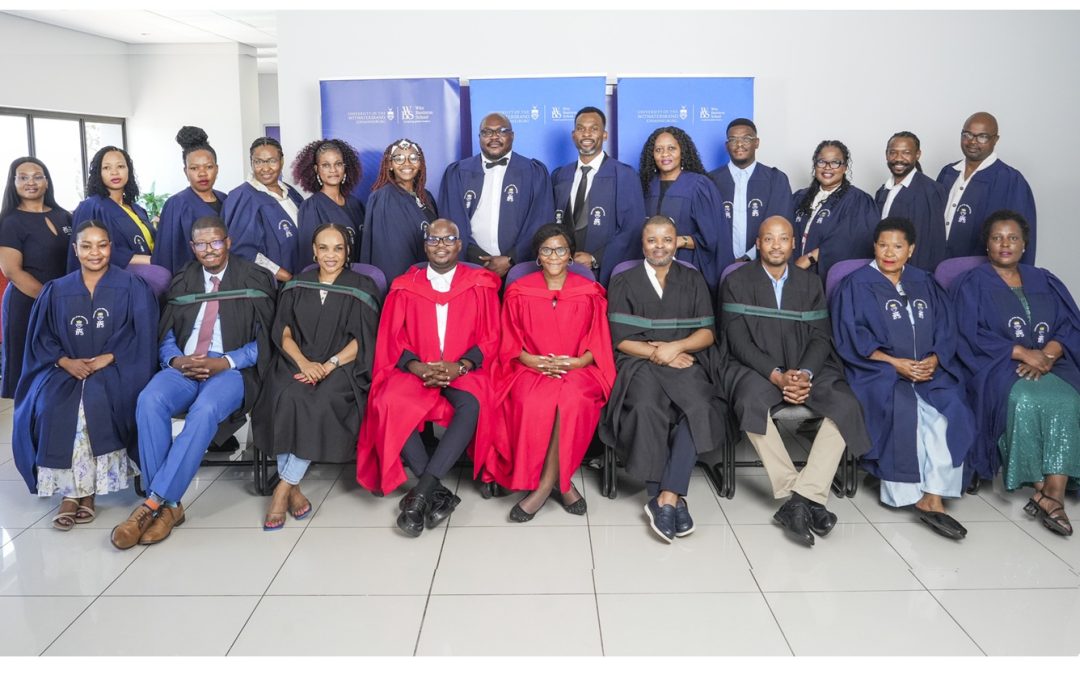
Sefako Makgatho Health Sciences University (SMU) has recognised the achievements of its 16 academic and support staff members after they completed the 2026 Supervisory Development Programme offered at Wits Business School (WBS), with certificates awarded on Friday, 6 November 2026.
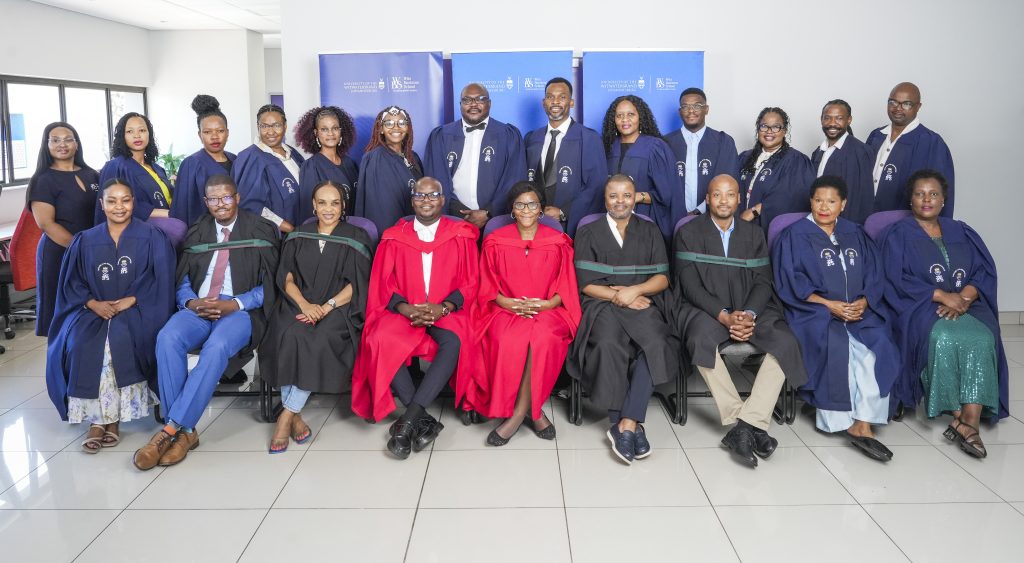 The intensive six-month programme was designed to strengthen participants’ leadership, supervisory and management capabilities, equipping them with practical skills to improve performance and lead teams effectively.
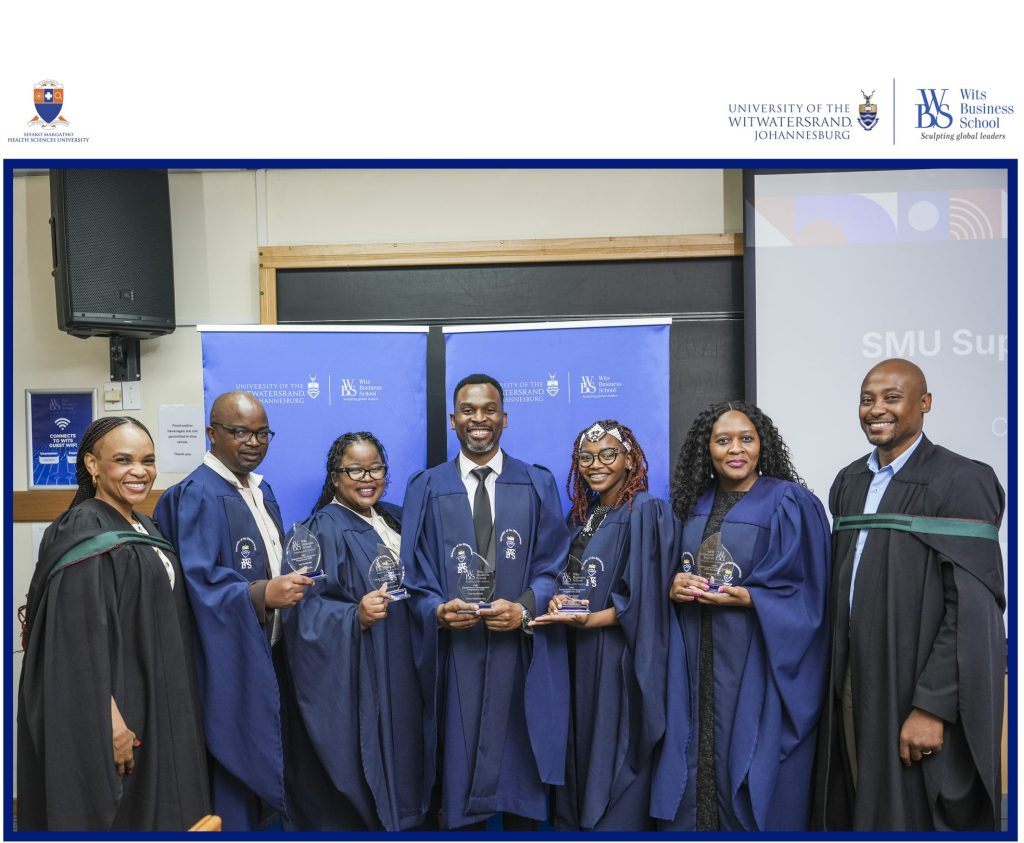
A highlight of the ceremony was the Catalyst Crew research syndicate receiving the programme’s top syndicate award for its project, titled Developing a Community Health and Medicine Safety Awareness Campaign for the Ga-Rankuwa Community.
The team comprises Benedict Masenamela, Senior Officer: Alumni Relations; Nokukhanya Nyawo, Operations Manager, School of Pharmacy; Dr Phumzile Skosana, Senior Lecturer, School of Pharmacy; Dr Thokozile Okaecwe-Mosiane, Acting HOD, Department of Pharmacy Practice; and Tumelo Moila, Acting Manager: Communications and Public Relations.
Individual excellence was also recognised, with Masenamela named the overall best student. Boipelo Motswane, Head of Residence: Student Affairs, secured second place, while Moila and Dr Okaecwe-Mosiane were tied at third place overall.
Masenamela described the recognition as humbling and rewarding. “Being named the overall best student is a humbling and rewarding achievement. The programme has strengthened my understanding of leadership, teamwork and effective management. It has also reinforced the importance of applying the knowledge gained to make a meaningful contribution to the University,” he said.
He added that the Catalyst Crew’s research award reflected the team’s collective commitment, collaboration and dedication to addressing community health needs.
Delivering the University’s address, Dr Tshifhiwa Mulaudzi, Director: Finance Operations (Acting) and WBS alumnus, described the programme as an investment in the University’s most valuable asset – its people.
 “People are the most valuable asset we have. A building does not mentor a new staff member. A system does not calm a tense meeting or notice when a colleague is struggling. People do. Supervisors do,” he said.
Mulaudzi encouraged graduates to view supervision as an act of stewardship, emphasising that effective leadership should prioritise employees’ development and wellbeing. He challenged them to consider whether their teams were better off because of their leadership.
Acting Executive Director: Student Affairs, Tulani Nkuntse, also emphasised the importance of developing capable supervisors to strengthen the University’s institutional performance.
“Leadership development is essential to building an effective and responsive University. As supervisors, these graduates can create supportive working environments, strengthen accountability, and ensure their teams contribute meaningfully to SMU’s mandate. The real value of this programme will be demonstrated through how they apply their knowledge and lead others,” said Nkuntse.
Nonhlanhla Sindane, Skills Facilitator at SMU, said the programme was an important investment in developing leadership capacity and critical skills pipelines across the institution. She encouraged participants to apply what they learned and transform their work environments.
The programme forms part of SMU’s broader leadership development initiatives, supported through its partnership with the Education, Training and Development Practices Sector Education and Training Authority (ETDP SETA). Previous initiatives include executive, transformational leadership and middle management development programmes.
Following the introduction of the Supervisory Development Programme in 2025, when 15 delegates participated, a further 16 employees completed the 2026 intake.
Acting Vice-Chancellor Professor Dini Mawela congratulated the participants and highlighted the programme’s 100% pass rate. She also acknowledged two employees from the University’s Cleaning Department who completed the programme, demonstrating SMU’s commitment to staff development across different occupational levels.
Through these initiatives, SMU continues to invest in its people, strengthen leadership capacity and build teams that advance its teaching, research and community engagement mandate.
by Lorato | Nov 11, 2026 | All News, Alumni, SMU Media, Student Media
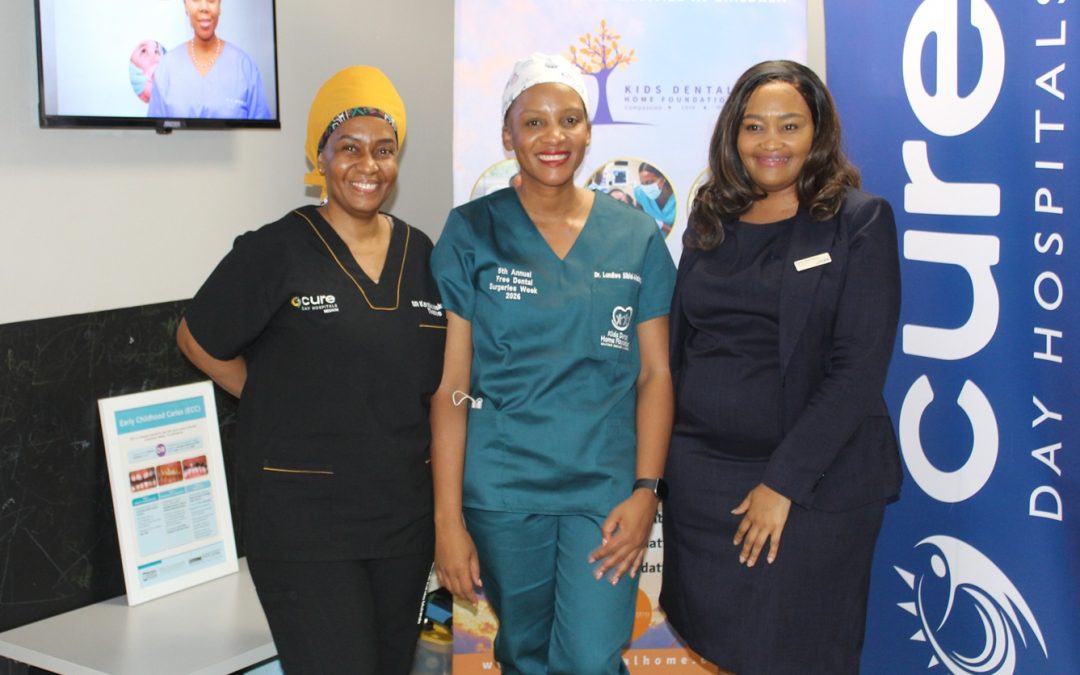
A commitment to improving access to essential oral healthcare for vulnerable children has brought dental professionals, healthcare institutions and volunteers together for the Kids Dental Home Foundation’s (KDHF) fifth annual Pro Bono Surgical Campaign, taking place from 8 to 12 November 2026 in Pretoria.
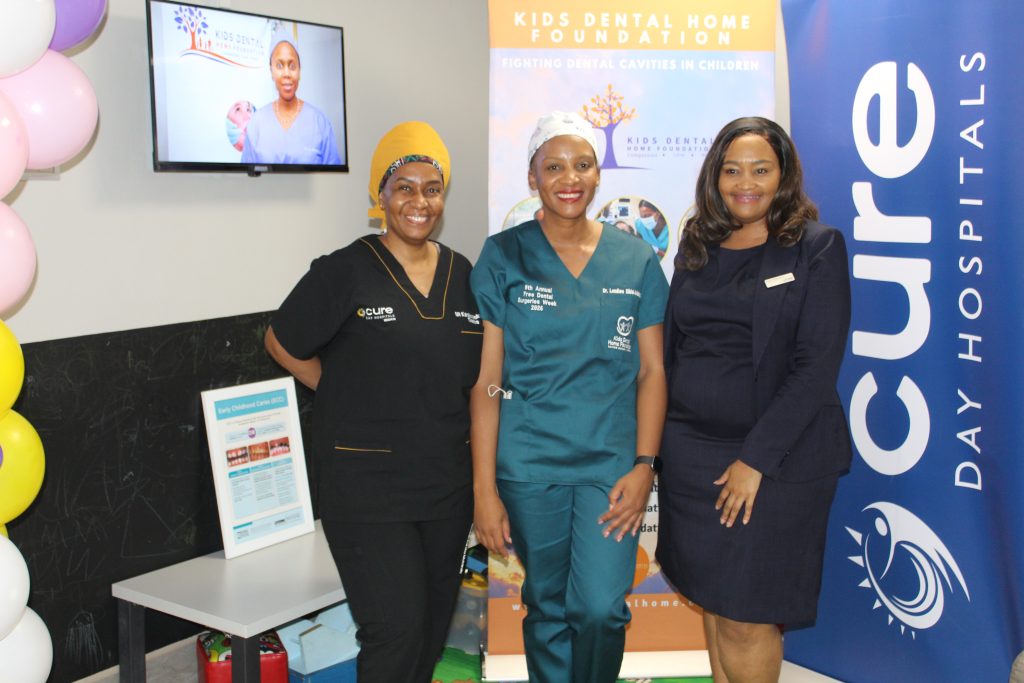 Founded in 2022 by Dr Londiwe Sibisi-Maboye, an alumna of Sefako Makgatho Health Sciences University (SMU), the registered non-profit organisation was established to address lengthy waiting periods and financial barriers faced by children requiring dental surgery under general anaesthesia.
For many families from low socio-economic backgrounds, the cost of accessing theatre facilities makes essential dental treatment unaffordable, leaving children experiencing pain and complications that affect their everyday lives.
Through its flagship programme, Saving Smiles in Africa™, the foundation provides sponsored dental surgeries, preventive oral health education and sustainable community partnerships to improve access to appropriate dental care.
The fifth annual campaign aims to provide 12 children with free dental surgeries and conduct 200 complimentary dental screenings, reinforcing the foundation’s commitment to underserved communities.
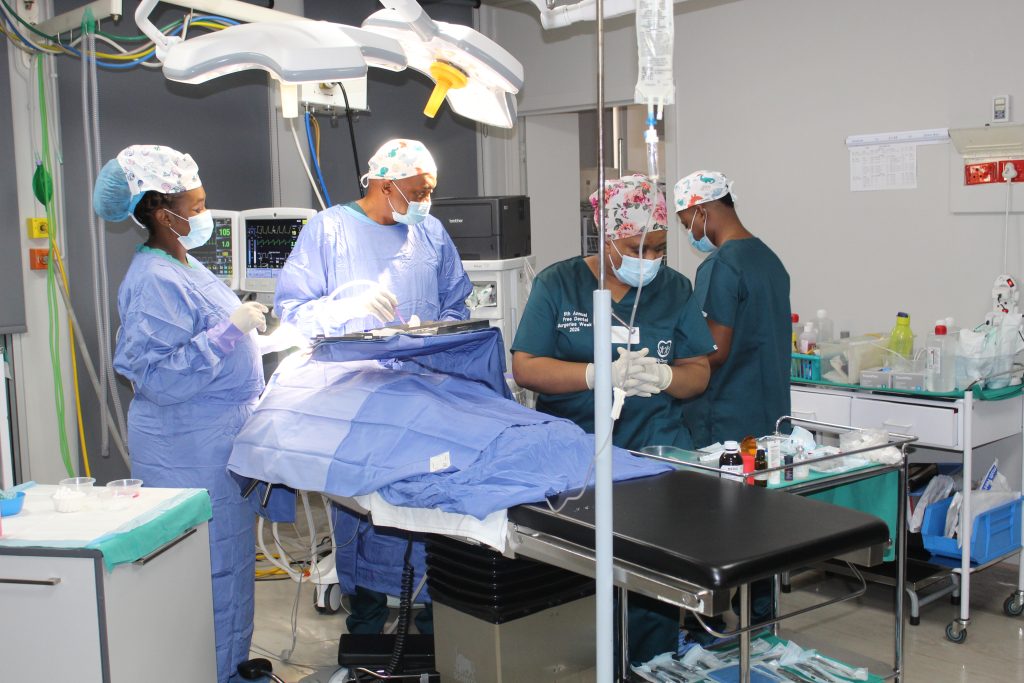
The programme includes screening days on 8, 9 and 11 November, followed by surgical procedures on 10 and 12 November. Surgeries are being conducted at Cure Day Medkin Hospital and Kilnerpark Day Hospital, with approximately 25 to 30 volunteers contributing their time, expertise and resources.
Dr Sibisi-Maboye expressed her happiness with the campaign’s progress and her appreciation for the healthcare professionals, partners, and volunteers supporting the initiative. Her dedication to children’s oral healthcare has also earned international recognition, after she became the first African dentist to secure first place in the Bright Smiles, Bright Futures Award, sponsored by Colgate.
 Among the volunteers supporting the campaign is Dr Thabo Twala, Chairman of the Dental Professionals Association and an SMU alumnus. His participation highlights the importance of professional collaboration in addressing healthcare inequalities.
Twala emphasised the significance of the foundation’s intervention, noting that without such initiatives, many children would remain on hospital waiting lists without access to the surgical treatment they need. His involvement reflects healthcare professionals’ responsibility to extend their expertise beyond conventional clinical practice and contribute to community wellbeing.
The campaign also received support from Dr Mosae Augustinus Phatsoa, Health Ministries Director, who supervises Seventh-day Adventist institutions across five countries. His attendance at Cure Day Medkin Hospital demonstrated broader institutional and community support for improving access to healthcare.
Five children successfully underwent dental surgeries at Cure Day Medkin Hospital on 10 November, marking an important milestone in this year’s campaign.
For the families involved, the procedures represented relief from prolonged discomfort and the opportunity for improved health and quality of life.
One parent, Lucky Nkwana, expressed relief and happiness following his son’s successful surgery. The child had experienced difficulties eating because of his dental condition, making the procedure particularly important to his daily wellbeing.
The foundation’s work highlights the importance of early intervention, preventive education and partnerships in addressing children’s oral health challenges.
For SMU, the achievements of its alumna demonstrate how professional training, leadership and community service can translate into meaningful interventions that improve lives and contribute to the health and wellbeing of communities.
By Dimakatso Modise