by Lorato | Nov 11, 2026 | All News, Alumni, SMU Media, Student Media
Sefako Makgatho Health Sciences University (SMU) has strengthened its commitment to accountable governance and alumni engagement by inducting its newly appointed Convocation Executive Committee, equipping members with the knowledge and understanding needed to fulfil their statutory responsibilities and contribute to the university’s strategic objectives.
 Coordinated by higher education expert Dr Faroon Goolam, the induction familiarised committee members with SMU’s governance framework, the Institutional Statute, and the responsibilities of serving in a statutory university structure. The programme also highlighted the Convocation’s role in strengthening relationships between the university and its former students and academic employees.
The committee assumed office in May 2026 after being elected at the Convocation Annual General Meeting on 16 May. Its induction marked an important step in preparing members to participate effectively in institutional governance and represent the Convocation’s interests.
Addressing the members, Acting Registrar Sello Simon Mokoena emphasised the importance of understanding the legislative and institutional frameworks that guide university governance. He encouraged committee members to familiarise themselves with the Institutional Statute, describing it as an essential reference for carrying out their responsibilities.
“Effective participation in university governance requires a clear understanding of the Institutional Statute, the responsibilities attached to each position and the principles that guide institutional decision-making. Members must understand their mandate and appreciate the significance of their contribution, particularly when participating in governance structures such as the university Council,” said Mokoena.
Deputy Registrar Henno Croucamp provided further insight into the university’s governance architecture, focusing on legislative compliance, accountability and administrative oversight. He outlined his office’s role in supporting the Registrar and ensuring governance processes align with the Higher Education Act, institutional policies and applicable regulations.
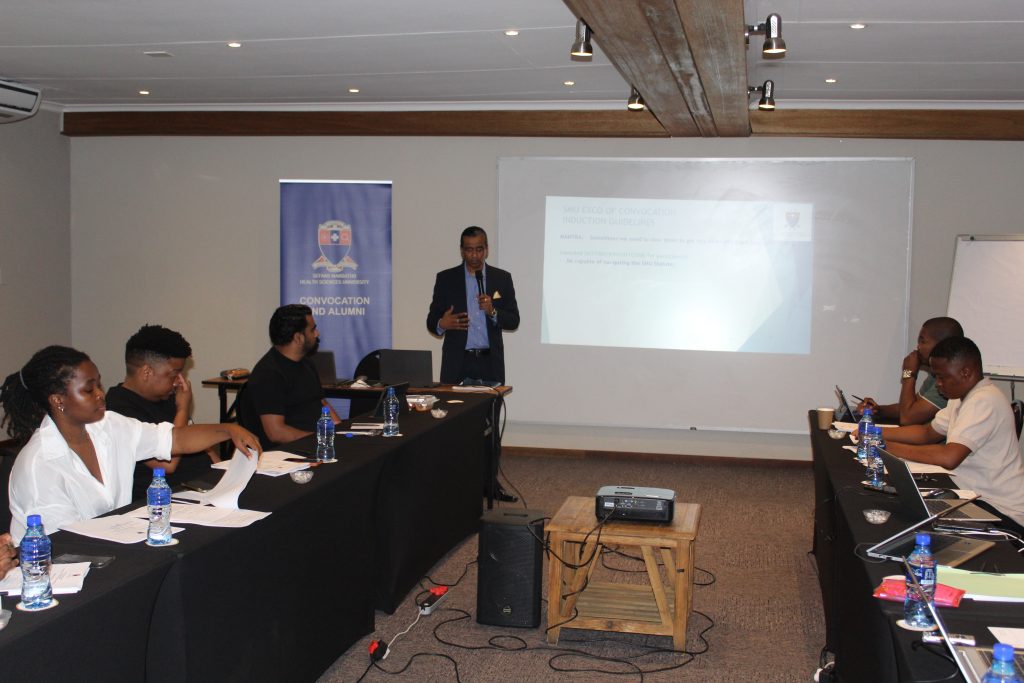 His presentation also covered policy reviews, records management, coordinating Council meetings, and governance support for statutory committees. He emphasised that structured induction is important to ensure governance representatives have the knowledge and competencies to discharge their duties effectively.
Beyond compliance, the programme considered the Convocation’s contribution to alumni relations and institutional sustainability. Its priorities include updating SMU’s alumni database, expanding alumni networks and building relationships with potential donors. These efforts seek to mobilise former students as active partners in the university’s development and strengthen support for its strategic priorities.
Convocation President David Tebogo Moloko welcomed the induction and thanked the university for preparing the committee for its mandate. He highlighted the importance of understanding the Convocation’s governance role, particularly its representation on Council.
“We are pleased with the manner in which the university has inducted us. We must understand the responsibilities entrusted to us, particularly our role in Council. This requires us to be informed, prepared and conscious of the contribution we are expected to make to the university’s governance and development,” said Moloko.
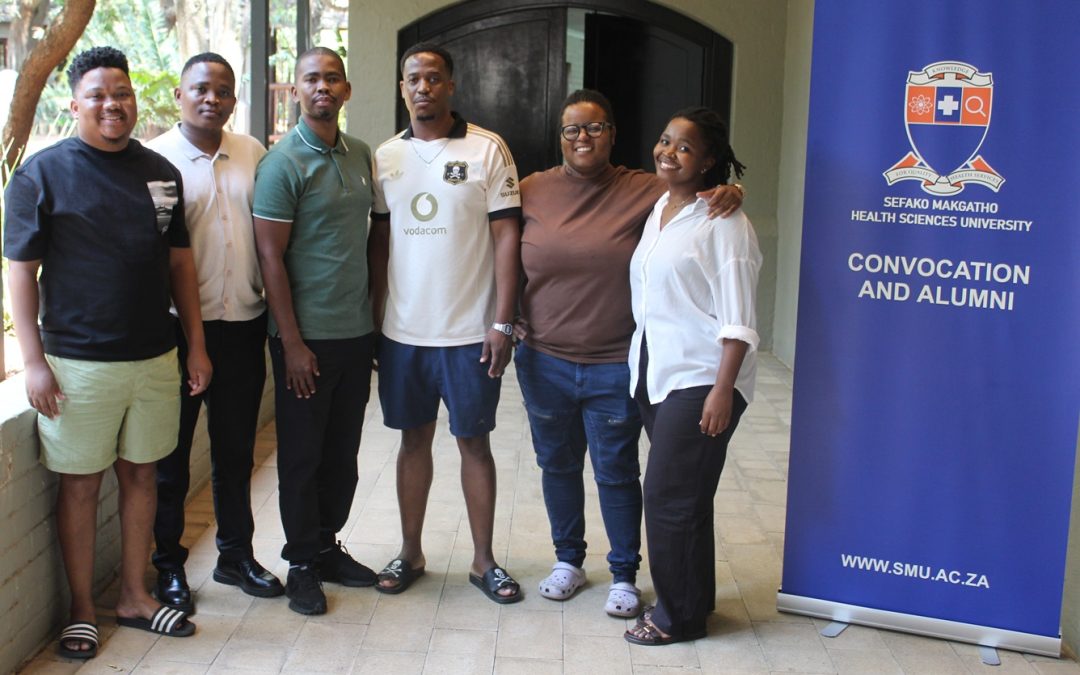
The Convocation Executive Committee comprises President Moloko, Vice-President Keitumetse Donald Bokaba, Secretary Bokie Malekano Thupi, and members Unathi Tshoni and Ledile Makgato. Musawenkosi Msibi serves as the Convocation’s representative on the university Council.
Through the induction, SMU is investing in informed leadership, institutional accountability and meaningful alumni participation. An active, well-informed Convocation will strengthen the university’s relationship with its broader constituency and ensure alumni contribute to its governance, growth, and long-term sustainability.
By Dimakatso Modise

by Lorato | Nov 11, 2026 | Accolades and Achievements, All News, Alumni, SMU Media, Student Media
Sefako Makgatho Health Sciences University (SMU) is recognising a significant academic achievement after its Transformation Manager, Dr Velencia Maupye, recently earned a Doctor of Social Work degree from the University of South Africa (Unisa). Her doctoral research focuses on developing strategies to prevent gender-based violence (GBV) in higher education institutions (HEIs), contributing to efforts to improve student safety, well-being and academic participation.
 Dr Maupye’s thesis, entitled Experience of undergraduate female students regarding gender-based violence in higher education institutions: Developing preventative strategies, examines the lived experiences of undergraduate female students affected by GBV. The study explores how violence affects students’ emotional well-being, participation in academic activities and sense of safety within higher education environments.
Using a qualitative research approach, the study drew on semi-structured, face-to-face interviews with undergraduate female students and student counsellors. Guided by Afrocentric Theory, African Feminism and Empowerment Theory, the research sought to understand students’ experiences and identify prevention strategies suited to the South African higher education context.
The findings highlighted the multiple forms of GBV experienced by female students and their negative consequences for psychosocial well-being and academic functioning. The research recommends strengthened awareness and education programmes, improved reporting mechanisms, greater institutional accountability and capacity-building for frontline personnel. It also advocates integrating GBV education into the curriculum to strengthen prevention efforts. “Gender-based violence in higher education requires a comprehensive response that places students’ experiences, safety and well-being at the centre of institutional interventions,” Dr Maupye said.
A key contribution of the doctoral study is the development of a comprehensive GBV prevention strategy and a monitoring and evaluation framework specifically tailored to higher education institutions in South Africa. These tools are intended to support institutions in implementing prevention initiatives, assessing their effectiveness and strengthening accountability.
 The research also contributes to social work scholarship and practice by providing evidence-based insights into the experiences of undergraduate female students. Its recommendations offer a foundation for developing responsive interventions that address institutional challenges while strengthening support for affected students.
Dr Maupye brings extensive professional experience in transformation management, gender mainstreaming, diversity and inclusion, employment equity and organisational change. Before her current role at SMU, she served as Head of Transformation at the University of Venda and previously held the position of Manager: Gender-Based Violence at SMU, where she led initiatives on campus GBV prevention, institutional policies, and stakeholder engagement.
Her academic qualifications include a Master of Arts in Social Work from the University of the Witwatersrand and a Bachelor of Arts in Social Work from the University of Limpopo. She also holds a Postgraduate Diploma in Project Management from MANCOSA and has completed professional development programmes in management, strategy execution and change management. “Research must translate into practical measures that strengthen prevention, improve institutional responses and create safer learning environments for students,” she said.
Dr Maupye’s doctoral achievement aligns with SMU’s commitment to excellence, accountability, respect and the promotion of a safe, inclusive university community. As a dedicated health sciences institution, SMU continues to recognise the importance of research and professional development in addressing social challenges and advancing the well-being of the communities it serves.
Her study reinforces the need for higher education institutions to treat GBV prevention as an institutional responsibility, supported by effective policies, accessible reporting systems and sustained interventions that protect students’ dignity and right to education.
By Tumelo Moila

by Lorato | Nov 11, 2026 | All News, Alumni, SMU Media, Student Media
Sefako Makgatho Health Sciences University (SMU) Senior Lecturer in the Department of Human Nutrition and Dietetics, Dr Heather Legodi, is advocating for healthier and safer school food environments, emphasising that access to nutritious food and safe food preparation practices are essential to children’s health, development and well-being.
 A specialist in public health nutrition, community engagement and food security, Dr Legodi believes that addressing childhood malnutrition requires looking beyond individual dietary choices. It calls for attention to the availability, affordability, nutritional quality and safety of food sold or provided to learners. Schools should promote healthy eating rather than expose children to unsafe food practices and poor nutritional choices.
Her commitment to nutrition and community well-being is rooted in her upbringing in Tembisa, where sharing food and looking out for others were part of everyday life. Recalling how she and her friends shared meals, including pap and chicken feet, vegetables and kota bought with pooled pocket money, she says these experiences shaped her understanding of food as both nourishment and a source of human connection.
Her career in dietetics was not initially planned. After matriculating with distinctions in Biology and English, she intended to study Computer Science. However, when she applied to the then Medical University of Southern Africa (MEDUNSA), Computer Science and Dentistry were fully subscribed. Dietetics became an unexpected opportunity. “I often say that I think the degree chose me,” she reflects.
Dr Legodi completed her undergraduate studies in 1994, followed by a Master of Science in Nutrition at Alabama A&M University in the United States in 1999. She later earned a doctorate in Paediatrics from the University of the Witwatersrand and, in 2021, a Diploma in Public Health from the University of Pretoria, focusing on food and nutrition security. She is also an alumna and former faculty member of the African Nutrition Leadership Programme (ANLP).
Her professional experience spans academic leadership, research and community-based interventions. She served as Head of the Department of Human Nutrition and Dietetics at the University of Pretoria from 2020 to 2024. During this period, she contributed to developing guidelines with UNICEF on foods and beverages sold in South African schools, reinforcing her conviction that school food environments shape children’s dietary habits and nutritional outcomes.
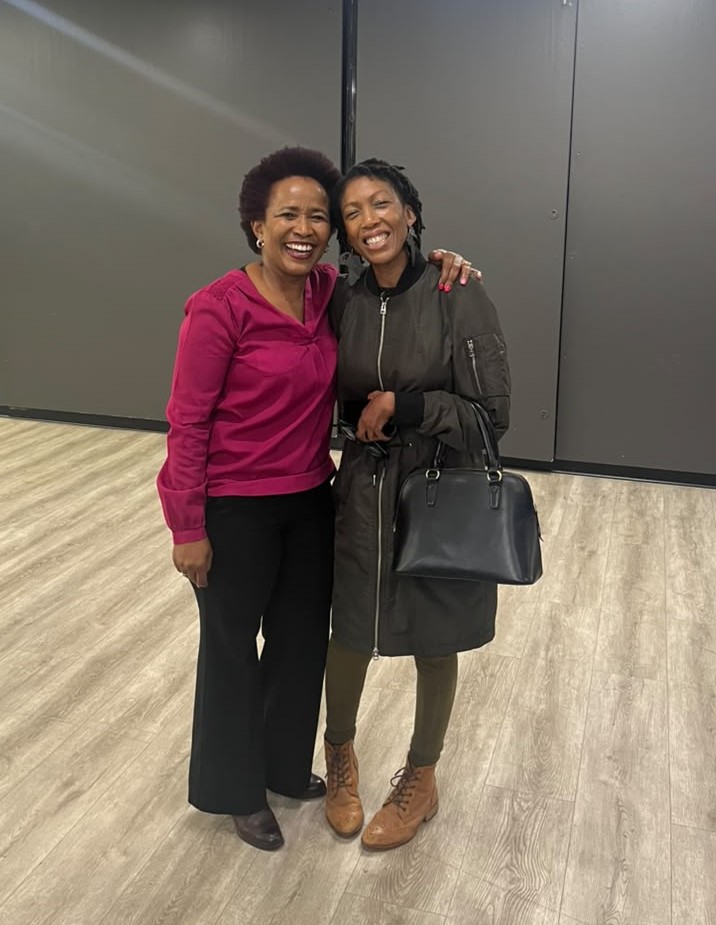 At SMU, where she joined in 2024, Dr Legodi has collaborated with the university’s food garden initiative to promote food security among students. She continues to advance public health nutrition, research and community engagement, with a particular interest in improving access to safe and nutritious food.
Her expertise was recently featured in an eNCA Checkpoint investigation presented by Nkepile Mabuse, which examined children consuming food prepared using repeatedly discarded cooking oil, locally known as “Lalaza”, at a school in Orange Farm.
Reacting to the footage, she said: “My heart broke. I just saw children eating poison.” For Dr Legodi, the incident highlights the urgent need for accountability and stronger oversight of school food environments. School meals must not only be available but also tasty, appealing and presented with dignity. She emphasises that the National School Nutrition Programme represents a significant public investment in children’s health and education.
Beyond school feeding programmes, Dr Legodi advocates for a whole-school approach to nutrition, addressing food sold through vendors and tuck shops, food hygiene, access to clean water, nutrition education and healthier food choices. She believes schools, parents, communities and policymakers must work together to create environments where healthy eating is accessible and encouraged.
Her guiding philosophy comes from the book My Name Is Today, which she encountered during her Community Nutrition studies. Its message continues to shape her work: “We have to do better today, not tomorrow.”
Through her work, Dr Legodi highlights the importance of transforming school food environments into spaces that protect children’s health, promote good nutrition and support their potential to thrive.
By Dimakatso Modise
by Lorato | Nov 11, 2026 | All News, Alumni, SMU Media, Student Media
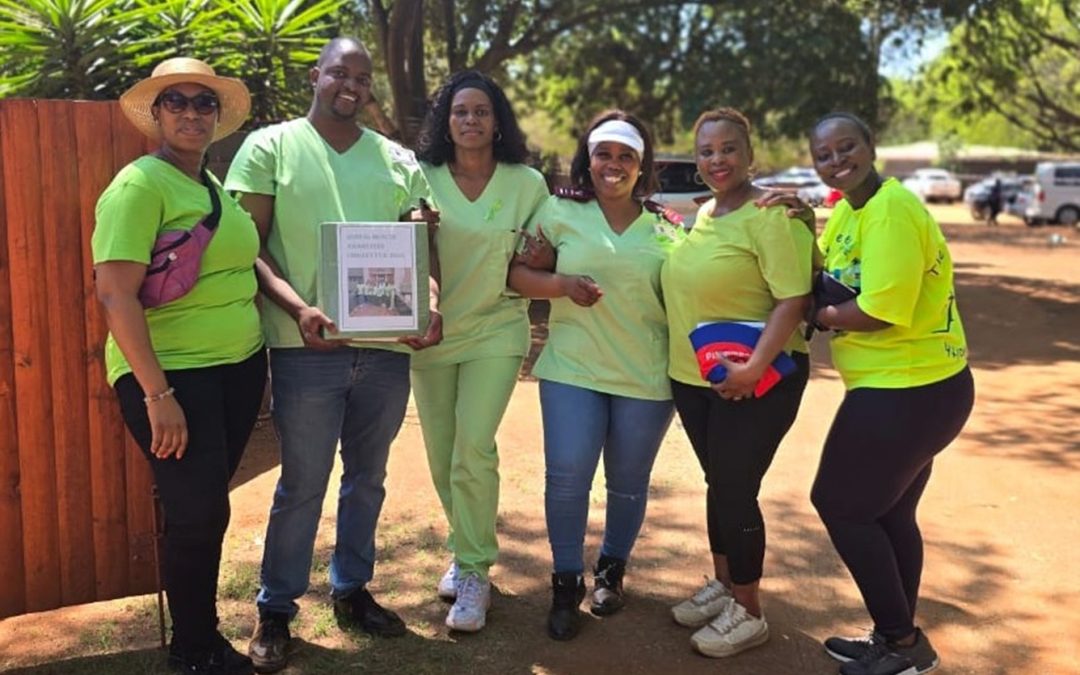
Postgraduate nursing students from Sefako Makgatho Health Sciences University (SMU) have strengthened community healthcare through an integrated mental and occupational health initiative for South African Police Service (SAPS) members, demonstrating the university’s commitment to holistic healthcare education and service to society.
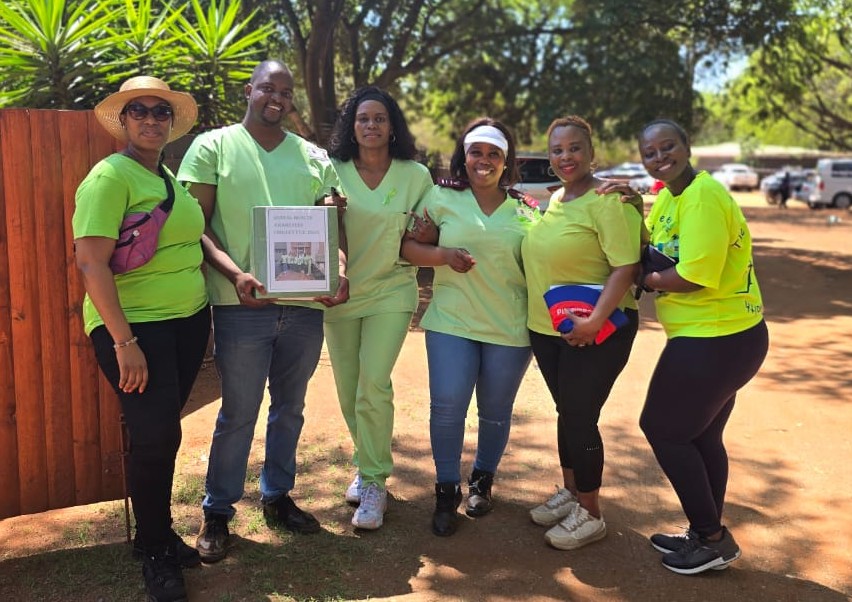 Held recently at the Polisie Rondawel in Hesteapark, Akasia, the event brought together students pursuing postgraduate diplomas in Mental Health Nursing and Occupational Health Nursing. Guided by their lecturers, Dikeledi Maphake and Dr Lorato Manyeneng, the initiative coincided with World Mental Health Day and promoted awareness under the theme “Lived Experiences | Real Voices | Real Change”.
The programme began with a five-kilometre awareness walk, with participants wearing shades of green. Led by programme directors Sabelo Tshabalala and Nokuphila Nhleko, the walk set the tone for a day focused on improving awareness, encouraging early intervention and reducing the stigma surrounding mental health challenges.
Mental Health Nursing students delivered presentations on suicide prevention, anxiety, post-traumatic stress disorder (PTSD) and depression. SMU senior lecturer Dr Sophy Moloko also addressed the importance of mental health, highlighting the need to recognise psychological well-being as an essential component of overall health.
The event’s central feature was a combined mental and occupational health screening session, enabling SAPS members to access health information and assessments in one place. Mental health awareness was complemented by practical occupational health services tailored to policing’s physical and psychological demands.
“This collaboration is about treating the whole person,” said Maphake. “You cannot separate a police officer’s mental well-being from their physical health, or from the demanding nature of their work. By bringing these two specialities together, we are demonstrating a model of care that is truly holistic.”
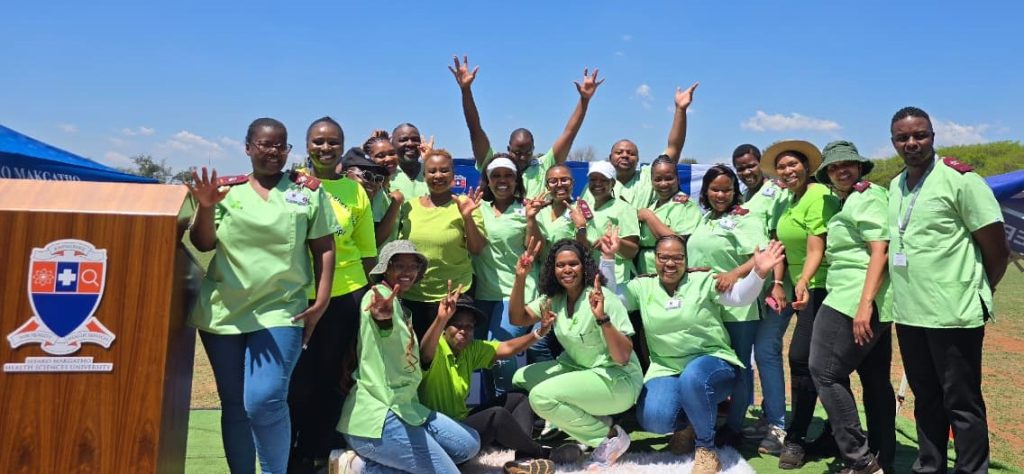 Occupational Health Nursing students conducted baseline health checks under the “Know Your Numbers” initiative, screening participants for blood pressure, pulse, respiration, temperature, blood glucose, cholesterol and body mass index. The screenings included guidance on healthy ranges and how to prevent chronic conditions..
Reflecting on the learning experience, Tintswalo Mtshali said the initiative provided an opportunity to apply classroom knowledge in a real-world setting while developing essential professional skills. “Being part of this programme allowed us to put our theoretical knowledge into practice and engage directly with a community whose occupational demands often place them under considerable physical and psychological pressure. We gained valuable experience in health screening, health education and interdisciplinary collaboration, while recognising the importance of delivering compassionate, patient-centred care,” said Mtshali.
Recognising the physical demands of law enforcement, students also educated officers about musculoskeletal disorders, including lower back pain, neck strain, shoulder problems and knee pain. They discussed preventive measures such as correct lifting techniques, ergonomic adjustments, regular breaks and appropriate personal protective equipment.
The programme further included a cardiopulmonary resuscitation (CPR) demonstration to equip officers with essential life-saving knowledge. As first responders, SAPS members were guided through the basic steps of checking responsiveness, calling emergency services and performing chest compressions while awaiting assistance.
Additional sessions addressed noise-induced hearing loss, including the importance of hearing protection, and breast cancer awareness. Participants received information about early detection, recognising warning signs and the importance of regular self-examination.
SAPS members welcomed the initiative, particularly the convenience of accessing mental and physical health information and screening services at one venue.
Through this initiative, SMU’s postgraduate nursing students demonstrated how specialised clinical training can translate into meaningful community service. By equipping police officers with practical health knowledge and promoting a holistic approach to well-being, the university continues to advance its mission of excellence in health sciences education, innovative practice and improved health outcomes for the communities it serves.
By Tumelo Moila

by Lorato | Nov 11, 2026 | All News, Alumni, SMU Media, Student Media
Sefako Makgatho Health Sciences University (SMU) has strengthened its commitment to community health and preventive healthcare through its Eat Well, Live Well Campaign, which brought together students from different health science disciplines to promote holistic wellness and healthier lifestyle choices.
 Held at SMU, the campaign was organised by third-year Dietetics students in the Department of Human Nutrition and Dietetics under the theme, “Healthier Choices Today, a Healthier Tomorrow”. More than 200 students attended the event, which featured interactive educational sessions, health screenings and practical demonstrations.
“The campaign was designed to empower our university community to make informed decisions about nutrition and healthy living. We also wanted to demonstrate that promoting wellness requires collaboration across healthcare disciplines,” said Kurhula Mdungwa, Chairperson of the organising committee.
Recognising that wellness extends beyond nutrition, the team adopted an Interprofessional Education and Collaborative Practice (IPECP) approach, involving the Dental, Environmental Health Sciences, Pharmacy, Nursing, and Speech and Audiology departments, alongside community organisations and university partners.
Third-year Dietetics students conducted anthropometric measurements and provided nutrition education, offering practical guidance on balanced meals, appropriate portion sizes, healthier cooking methods, adequate water intake and physical activity. Participants were also encouraged to limit excessive salt, sugar and fat consumption.
“I have learnt that healthy eating does not have to be expensive or complicated. Making balanced food choices, drinking enough water and staying physically active are practical steps that can contribute to better health over time,” said Tumelo Mokoena, a Pharmacy 2nd-year student.
Other participating departments broadened the discussion on wellness. Dental students highlighted the relationship between oral health and nutrition, while Environmental Health Sciences students demonstrated safe food handling, hygiene and storage practices. Pharmacy students discussed food-medicine interactions, and Nursing students provided basic health screenings and guidance on preventive care and chronic disease management.
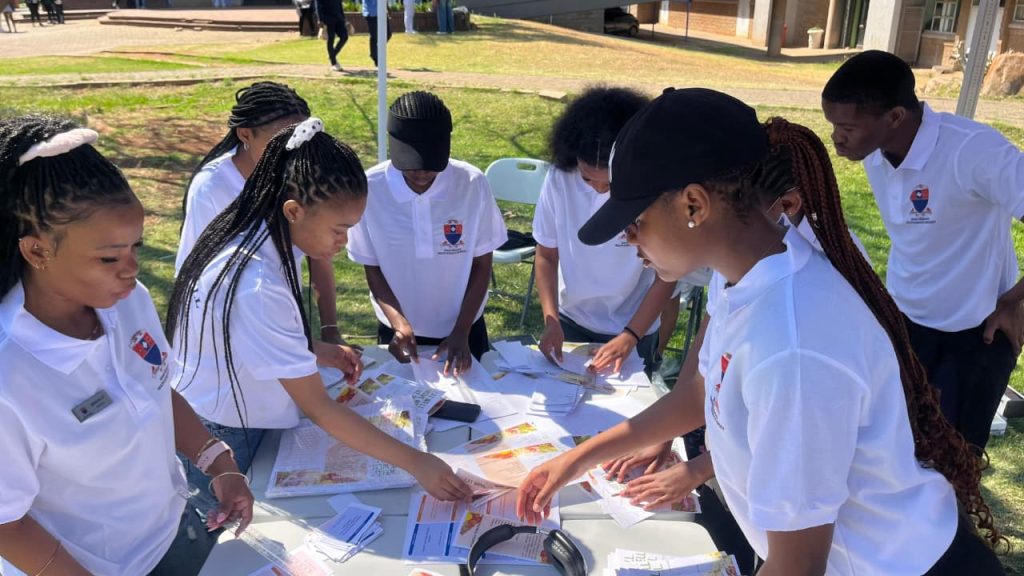 The Speech and Audiology Department addressed swallowing difficulties and their implications for nutrition, while the Community-Oriented Substance Use Programme (COSUP) Group facilitated discussions on mental health in recognition of September being Mental Health Awareness Month.
The Green Campus Initiative demonstrated how home gardening could provide affordable access to fresh produce, while DKMS raised awareness about stem cell donation and donor registration. AVBOB supported the campaign by donating fruit for participants.
The partners’ involvement highlighted the importance of addressing health from multiple perspectives. “Every discipline brings valuable knowledge to healthcare. By learning from one another, future professionals can develop a more comprehensive understanding of the needs of individuals and communities,” said Kamogelo Mathakane, media officer of the organising committee.
The campaign also gave students opportunities to apply classroom knowledge in a practical setting, build leadership and teamwork skills, and engage directly with the university community. Dr Phetla provided guidance and mentorship throughout the initiative’s planning and implementation.
For participating students, the experience reinforced the value of interprofessional learning and demonstrated how collaboration can strengthen health education and preventive care.
Through initiatives such as Eat Well, Live Well, SMU continues to advance health sciences education by equipping students with practical skills, encouraging multidisciplinary collaboration and promoting healthier communities. The campaign affirmed that lasting improvements in wellbeing depend on informed choices, accessible health education and healthcare professionals working together towards a common goal.
By Tumelo Moila
by Lorato | Nov 11, 2026 | All News, Alumni, SMU Media, Student Media
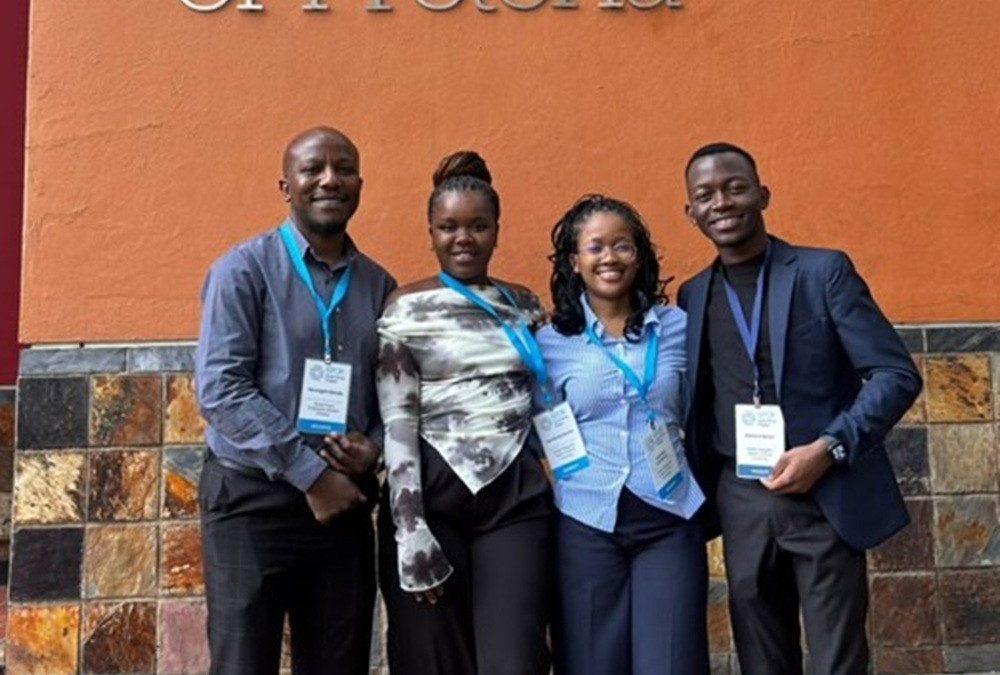
Sefako Makgatho Health Sciences University (SMU) Master of Pharmacy student Mahlorhi Baloyi has strengthened the university’s research profile through his participation in the 15th Annual Conference of the Professional Society for Health Economics and Outcomes Research (ISPOR) South Africa Chapter, held recently at the Gordon Institute of Business Science (GIBS) in Illovo, Johannesburg.
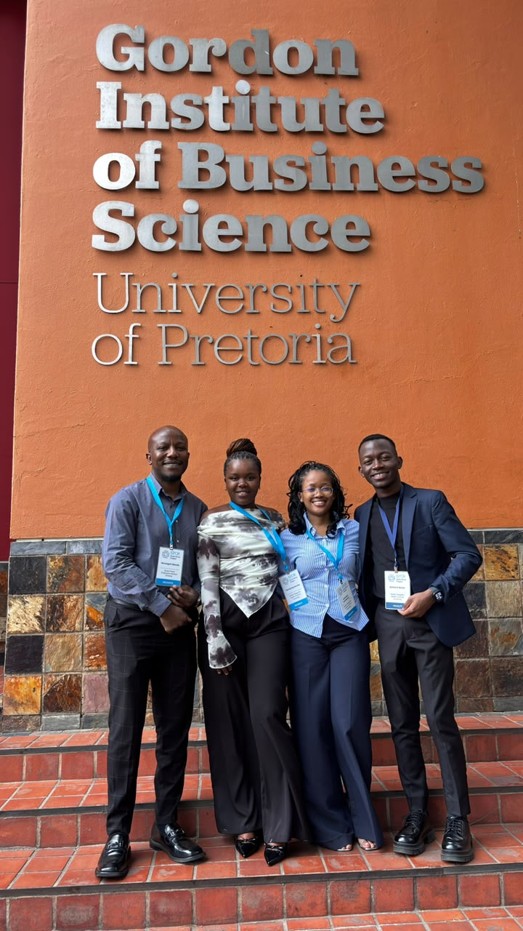 Baloyi presented research examining the potential budgetary impact of implementing a prostate cancer treatment intervention in South Africa’s public healthcare sector. Selected as one of five studies for presentation and discussion, his work contributes to efforts to generate locally relevant evidence to inform healthcare planning, resource allocation and the sustainable delivery of health services.
The conference, held under the theme “Developing Capacity for Health Technology Assessment in South Africa”, brought together researchers, academics, policymakers, healthcare professionals and local and international experts to examine how evidence can guide healthcare priorities. Contributors included representatives from the National Department of Health, the Health Economics and Epidemiology Research Office (HERO), medical schemes, academic institutions and the International Network of Agencies for Health Technology Assessment (INAHTA).
For Baloyi, presenting his research at this national gathering marks a significant milestone in his academic career. “Having my research selected for presentation among five studies at a conference of this calibre is a major achievement for me. It motivates me to continue investigating healthcare challenges and generating evidence that can contribute to better-informed decisions in South Africa,” he said.
His study highlights the role of health economics research in assessing the potential financial implications of healthcare interventions. In a system where demand for services competes with limited funding, budget impact analysis can help decision-makers consider affordability, pharmaceutical expenditure and the sustainability of introducing new treatments in the public sector.
“Research must go beyond academic presentation. It should help answer practical questions about affordability, resource allocation and access to treatment. I want my work to contribute evidence that supports responsible healthcare planning and better patient outcomes,” Baloyi said.
The conference also provided opportunities to engage with developments in health technology assessment, economic modelling, costing methodologies and the use of artificial intelligence in evidence analysis. These discussions underscored the importance of building research capacity and strengthening collaboration among universities, government, healthcare funders and other stakeholders.
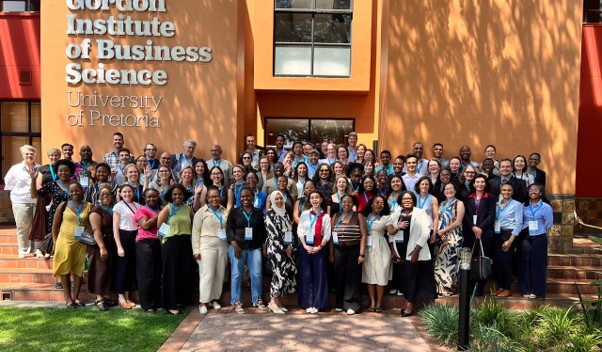 A notable moment for Baloyi was Mark Brand, president of the ISPOR South Africa Chapter, acknowledging his participation and recognising him as one of the first representatives from SMU to join the society. The acknowledgement highlighted the importance of expanding the university’s representation in professional networks focused on health economics and outcomes research.
Baloyi thanked Professor Moliehi Matlala, his supervisor, and Letlhogonolo Makhele, his co-supervisor, for their guidance and support throughout the study. He also looks forward to building on the connections established at the conference, including opportunities for mentorship, knowledge exchange and potential collaboration with HERO board members and other professionals in the field.
Reflecting on the experience, Baloyi encouraged emerging researchers to remain curious, seek mentorship and share their work with wider scientific communities. He believes that research gains greater value when its findings contribute to meaningful discussions and practical solutions.
Baloyi’s participation reflects SMU’s mission to transform health services through excellence and innovation. By supporting emerging researchers and encouraging evidence-based inquiry, the university helps strengthen South Africa’s capacity for health economics research and develop healthcare professionals equipped to address complex challenges in service delivery, affordability, and equitable access to quality care.
By Tumelo Moila